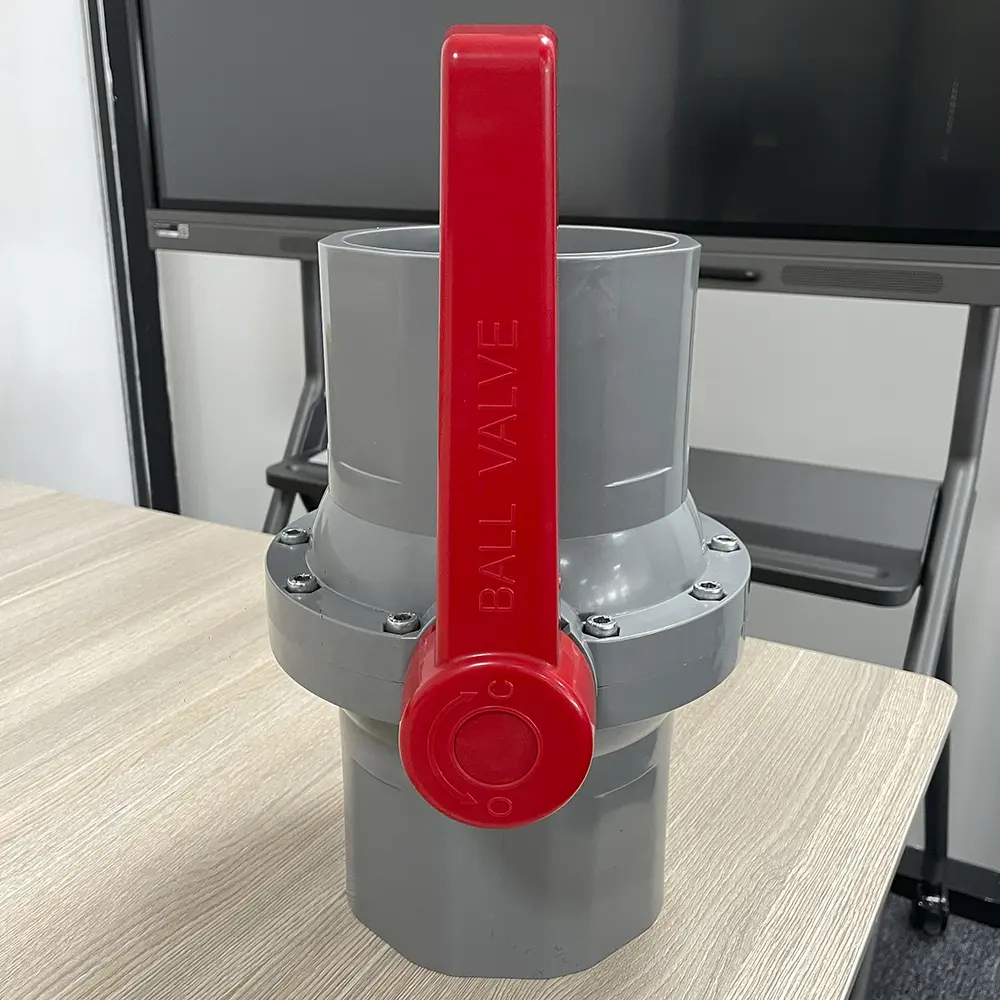
Industrial projects demand precision and reliability, especially in fluid control systems. Leakage disrupts operations, increases costs, and compromises safety. UPVC valves offer a solution, ensuring seamless performance and leak-free systems. Their robust design and advanced engineering deliver unmatched reliability. By choosing products from a trusted UPVC valves factory, industries gain access to durable, efficient, and eco-friendly solutions that redefine operational success. These valves empower businesses to overcome challenges and achieve long-term efficiency.
Key Takeaways
- UPVC valves stop leaks, keeping industrial projects running smoothly.
- They resist rust, making them great for tough environments and lasting longer.
- Their light weight makes them easy to install, saving time and money.
- Strong seals lower the chance of leaks, improving how things work.
- UPVC valves are affordable, cutting both starting and repair costs.
- These valves are good for the planet, using less energy and helping sustainability.
- You can customize UPVC valves to fit project needs and rules.
- Taking care of them and installing them right helps them work best.
Understanding Leakage Issues in Industrial Projects
Industrial projects often face challenges related to leakage, which can disrupt operations and lead to significant losses. Understanding the root causes and impacts of leakage is essential for implementing effective solutions.
Common Causes of Leakage
Leakage in industrial systems arises from various factors, many of which stem from improper design, installation, or maintenance. The following table highlights some of the most common causes:
| Cause of Leakage | Description |
|---|---|
| Not fully closed | Dirt, debris, or obstructions prevent the valve from closing completely. |
| Damaged | A damaged valve seat or seal compromises the system’s integrity. |
| Not designed to close 100% | Certain valves are not intended for complete closure, affecting performance. |
| Wrong size for the project | Incorrectly sized valves lead to inefficiencies and potential leaks. |
Additional issues include worn-out seals and gaskets, which deteriorate over time, and improper installation of pipes and fittings. Corrosion and material fatigue in older systems also contribute to leakage, as do poor maintenance practices that allow small issues to go unnoticed. These problems highlight the importance of selecting high-quality components, such as those offered by a reliable UPVC valves factory, to minimize risks.
Impact of Leakage on Industrial Operations
Leakage can have far-reaching consequences for industrial projects, affecting both operational efficiency and environmental sustainability. Studies reveal alarming statistics about leakage-related disruptions:
- Pneumatic devices lose an estimated 50 billion cubic feet of gas annually due to leaks.
- The transportation sector experiences leakage of approximately 1,015 billion cubic feet per year.
- Processing industries report losses of around 1 billion cubic feet annually.
These figures underscore the scale of the problem. Leakage not only wastes valuable resources but also increases operational costs. In addition, it poses safety risks by creating hazardous working conditions. For example, carbon leakage during the design, preparation, and construction stages of international projects contributes significantly to emissions, with ratios of 1.00:3.11:10.11. This highlights the critical need for robust environmental controls during construction.
Beyond financial and safety concerns, leakage can damage a company’s reputation. Clients and stakeholders expect reliability and efficiency, and frequent leaks can erode trust. By investing in advanced solutions like UPVC valves, industries can mitigate these risks and ensure long-term success.
Introduction to UPVC Valves
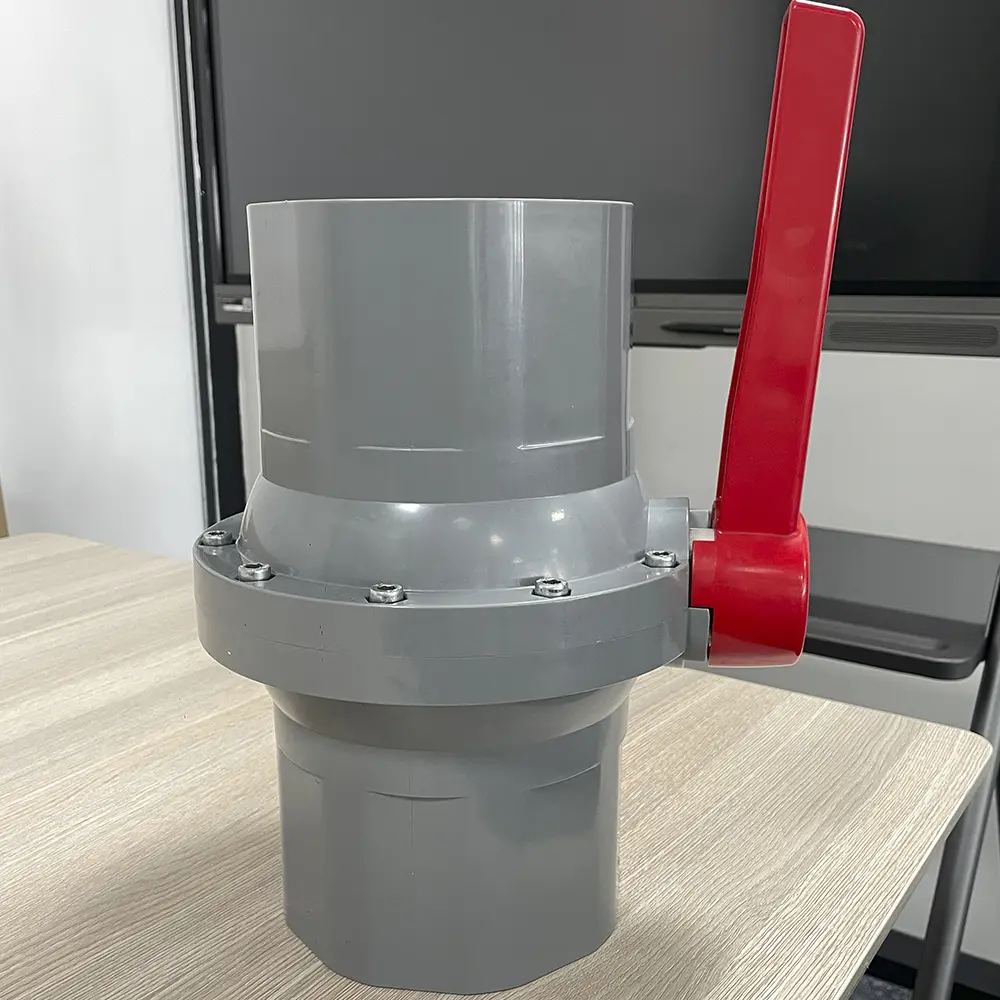
Industrial projects demand components that combine durability, efficiency, and reliability. UPVC valves have emerged as a game-changer in fluid control systems, offering a perfect balance of performance and cost-effectiveness. These valves are designed to meet the rigorous demands of modern industries, ensuring leak-free operations and long-term sustainability.
What Are UPVC Valves?
UPVC valves, or unplasticized polyvinyl chloride valves, are specialized components used to regulate the flow of liquids and gases in industrial systems. Unlike traditional metal valves, UPVC valves are crafted from rigid, corrosion-resistant plastic, making them ideal for harsh environments. Their lightweight design simplifies installation and handling, while their robust construction ensures reliable performance under high-pressure conditions.
Technical standards, such as DIN 3441, outline the requirements and specifications for UPVC valves. These standards cover various types, including ball valves, diaphragm valves, and butterfly valves, ensuring compatibility with diverse industrial applications. For instance, DIN 3441-2 specifies the dimensions of ball valves, while DIN 3441-6 focuses on gate valves with inside screw stems. This standardization guarantees that UPVC valves meet stringent quality and performance benchmarks.
Key Features of UPVC Valves
UPVC valves stand out due to their unique features, which make them indispensable in industrial projects. The following table highlights their advantages:
| Advantage | Description |
|---|---|
| Corrosion Resistance | PVC material resists most chemicals, making it suitable for harsh environments. |
| Lightweight | PVC ball valves are lighter than metal alternatives, facilitating easier handling and installation. |
| Cost-Effectiveness | Offers lower manufacturing and maintenance costs compared to metal valves. |
| Efficiency | Fast switching feature enhances system response speed and fluid control flexibility. |
| Safety | Better sealing and safety during fluid transmission compared to other materials. |
| User-Friendly | Easy to install and operate, making them accessible for various industrial applications. |
| Versatility | Used in diverse industries such as petroleum refining, chemicals, and municipal engineering. |
These features make UPVC valves a preferred choice for industries seeking reliable and efficient solutions. Their corrosion resistance ensures longevity, even in chemically aggressive environments. The lightweight design reduces transportation and installation costs, while the fast-switching capability enhances operational efficiency. Furthermore, their user-friendly nature makes them suitable for both professionals and DIY enthusiasts.
By sourcing products from a trusted UPVC valves factory, industries can access high-quality valves that meet international standards. This ensures seamless integration into existing systems and guarantees optimal performance across various applications.
Unique Properties of UPVC Valves That Prevent Leakage
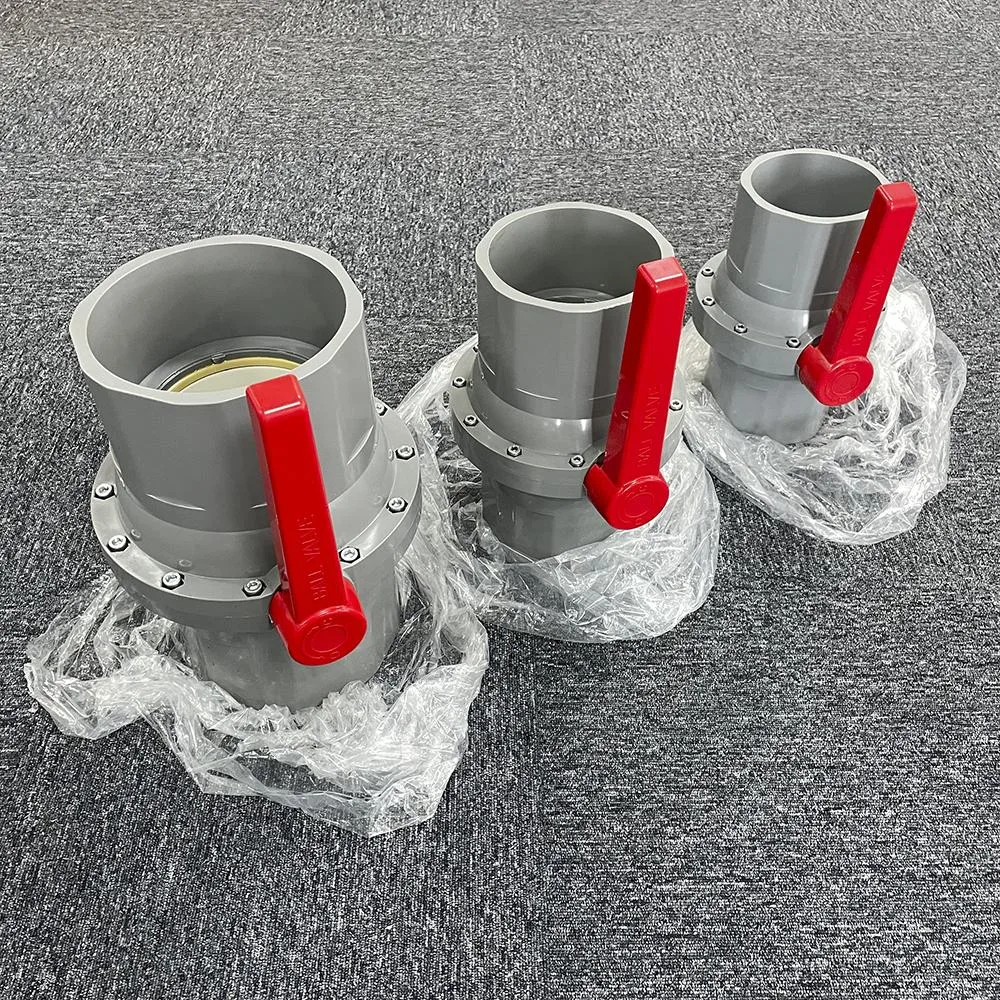
Corrosion Resistance and Longevity
Corrosion is one of the leading causes of leakage in industrial systems. Unlike traditional metal valves, UPVC valves excel in resisting corrosion, making them a reliable choice for long-term use. Their chemical resistance ensures they remain functional even in highly corrosive environments. This makes them ideal for industries handling aggressive chemicals or operating in humid and coastal areas.
Several studies highlight the superior corrosion resistance and longevity of UPVC valves:
- Chemical Resistance: UPVC valves withstand exposure to a wide range of chemicals, ensuring durability in harsh conditions.
- Rust and Oxidation Resistance: Unlike metal valves, UPVC does not rust or oxidize, maintaining its integrity over time.
- UV Resistance: Formulated with UV stabilizers, UPVC valves resist sunlight degradation, extending their outdoor service life.
- Durability and Toughness: These valves endure high pressure and impact without damage, ensuring consistent performance.
- Maintenance-Free: Minimal upkeep reduces operational costs and enhances their lifespan.
By sourcing products from a trusted UPVC valves factory, industries can access valves that combine these properties with exceptional quality, ensuring leak-free operations for years to come.
Reliable Sealing Mechanisms
The sealing mechanism of a valve plays a critical role in preventing leakage. UPVC valves are engineered with precision to deliver reliable sealing, even under challenging conditions. Their advanced design ensures a tight seal, minimizing the risk of leaks and enhancing operational efficiency.
The following table highlights the technical data and performance metrics that validate the sealing capabilities of UPVC valves:
| Performance Feature | Description |
|---|---|
| Operating Temperature Range | -40°C to +95°C |
| Strength and Toughness | Excellent |
| Chemical Corrosion Resistance | Excellent |
| Flame Retardant Property | Self-extinguishing |
| Thermal Conductivity | About 1/200 of steel |
| Heavy Ion Content | Reaches ultrapure water standard |
| Hygiene Indicators | Comply with national health standards |
| Pipe Wall Characteristics | Flat, smooth, with small friction resistance and adhesion when transporting liquid |
| Weight | Equivalent to 1/5 of steel pipe and 1/6 of copper pipe |
| Installation | Easy to install |
| Aging and UV Resistance | Excellent, greatly extends service life compared to other systems |
These features demonstrate why UPVC valves are a preferred choice for industries seeking dependable fluid control solutions. Their ability to maintain a secure seal under varying pressures and temperatures ensures uninterrupted operations. Choosing a high-quality UPVC valves factory guarantees access to valves that meet these stringent performance standards.
Anti-Aging and UV Resistance
Exposure to sunlight and environmental factors can degrade many materials over time. However, UPVC valves are specifically designed to resist aging and UV damage, ensuring long-term reliability. The incorporation of UV stabilizers in their formulation prevents degradation caused by prolonged exposure to sunlight. This makes them an excellent choice for outdoor applications, where durability is crucial.
The anti-aging properties of UPVC valves contribute to their stability and consistent performance. These valves maintain their structural integrity even after years of use, reducing the need for frequent replacements. Their ability to withstand environmental stressors ensures they remain a cost-effective and sustainable solution for industrial projects.
- The UPVC material used in these valves resists corrosion and aging, ensuring long-term stability.
- Their UV resistance extends their service life, making them suitable for outdoor installations.
By partnering with a reputable UPVC valves factory, industries can benefit from valves that combine anti-aging properties with exceptional performance. This ensures leak-free operations and peace of mind for project managers and engineers alike.
Applications of UPVC Valves in Industrial Projects
Water Treatment and Distribution Systems
Efficient water management is vital for industrial projects. UPVC valves play a pivotal role in ensuring smooth operations in water treatment and distribution systems. Their corrosion-resistant properties make them ideal for handling water with varying pH levels, preventing material degradation and leaks. These valves maintain consistent flow rates, ensuring optimal performance in both municipal and industrial water systems.
The lightweight design of UPVC valves simplifies installation, reducing labor costs and downtime. Their reliable sealing mechanisms prevent contamination, safeguarding water quality. Industries rely on these valves to meet stringent environmental standards while achieving operational efficiency. By sourcing products from a trusted UPVC valves factory, businesses can access durable solutions tailored to their specific needs.
Chemical Processing and Handling
Chemical processing industries demand components that can withstand harsh conditions. UPVC valves excel in this domain, offering unmatched chemical resistance and reliability. Their robust construction ensures safe handling of corrosive substances, minimizing the risk of leaks and failures.
Key attributes that confirm their suitability for chemical processing include:
- UPVC valves exhibit excellent chemical resistance, making them suitable for handling various corrosive substances.
- They maintain integrity under harsh conditions, ensuring safe operations in chemical processing.
- The robust nature of UPVC materials helps prevent leaks and failures, enhancing system reliability.
These valves support industries in maintaining safety and efficiency, even in the most challenging environments. Their ability to operate under high pressure and temperature conditions makes them indispensable for chemical handling applications. Choosing high-quality valves from a reliable UPVC valves factory ensures seamless integration into existing systems and long-term performance.
Aquaculture and Agricultural Systems
UPVC valves contribute significantly to aquaculture and agricultural systems by enhancing water management and sustainability. Their durability and efficiency make them ideal for controlling water flow and nutrient distribution, ensuring optimal growth conditions for crops and aquatic organisms.
Research findings highlight their benefits:
| Key Findings | Description |
|---|---|
| Operational Efficiency | UPVC valves enhance water management, ensuring efficient flow and nutrient distribution in aquaculture systems. |
| Disease Control | These valves play a crucial role in controlling the spread of pathogens through effective effluent treatment. |
| Sustainability | The use of robust valve solutions supports environmental management commitments in aquaculture and agriculture. |
These valves also help reduce water wastage, aligning with sustainability goals. Their UV resistance ensures long-term reliability in outdoor installations, while their lightweight design simplifies maintenance. By integrating UPVC valves into aquaculture and agricultural systems, industries can achieve higher productivity and environmental stewardship.
HVAC Systems and Fluid Control
Heating, ventilation, and air conditioning (HVAC) systems form the backbone of modern industrial and commercial infrastructure. These systems demand precision and reliability to maintain optimal indoor environments. UPVC valves have emerged as a transformative solution in fluid control for HVAC applications, offering unmatched efficiency and durability.
Why UPVC Valves Are Ideal for HVAC Systems
HVAC systems require components that can withstand fluctuating temperatures, high pressures, and corrosive fluids. UPVC valves excel in these conditions due to their unique properties. Their lightweight design simplifies installation, while their corrosion resistance ensures longevity. These valves maintain consistent performance even in challenging environments, making them indispensable for fluid control in HVAC systems.
The following table highlights the performance data that underscores the efficiency of UPVC valves in HVAC applications:
| Feature | Specification |
|---|---|
| Ambient Temperature | -30 °C to +60 °C |
| Operating Temperature Range | -20 °C to 80 °C (NBR O-ring) |
| -20 °C to 160 °C (Fluorine rubber O-ring) | |
| Corrosion Resistance | Yes |
| Low Flow Resistance | Yes |
| Applicable Medium | Water and various corrosive fluids |
| Protection Level | IP67
|