
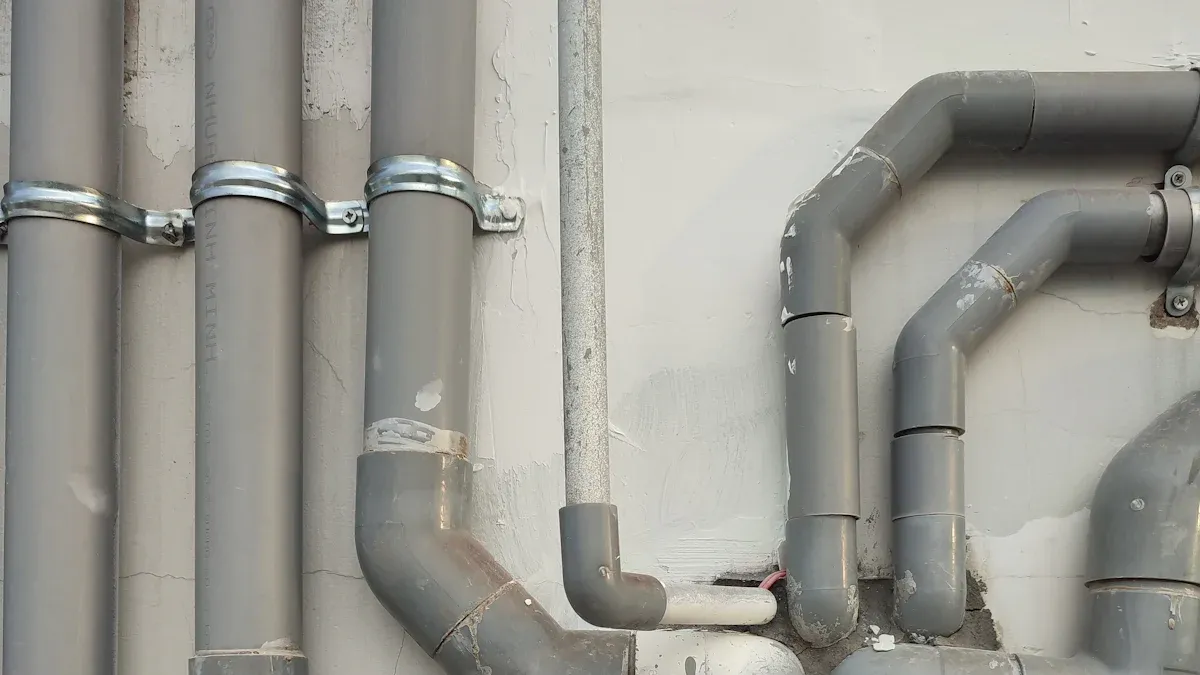
For superior UV resistance in outdoor applications, leading UPVC pipe suppliers like Charlotte Pipe, Spears Manufacturing, and Georg Fischer (GF Piping Systems) are top choices. These manufacturers explicitly formulate their UPVC pipes and fittings with advanced UV stabilizers. They ensure enhanced durability in direct sunlight. If you need Wholesale UPVC ball valves for irrigation or want to Bulk buy industrial UPVC fittings, these brands offer reliable solutions. A High-quality PVC compact ball valve factory often uses these robust materials. This ensures long-lasting plastic pipes and fittings, especially for UPVC pipe fittings for agriculture irrigation system.
Key Takeaways
- Top UPVC pipe suppliers like Charlotte Pipe, Spears Manufacturing, and GF Piping Systems offer pipes with strong UV resistance for outdoor use.
- UV stabilizers, thicker pipe walls (like Schedule 80), and certain colors (white or black) help UPVC pipes resist sun damage.
- Always check product details for UV stabilization claims and ask suppliers for advice to ensure pipes will last outdoors.
- Proper installation, like supporting pipes and reducing direct sun exposure, helps outdoor UPVC pipes last longer.
- While UPVC has good UV resistance, HDPE generally performs better in direct sunlight, and PPR and PEX need protection from UV rays.
Understanding UV Degradation in UPVC Pipes and Fittings
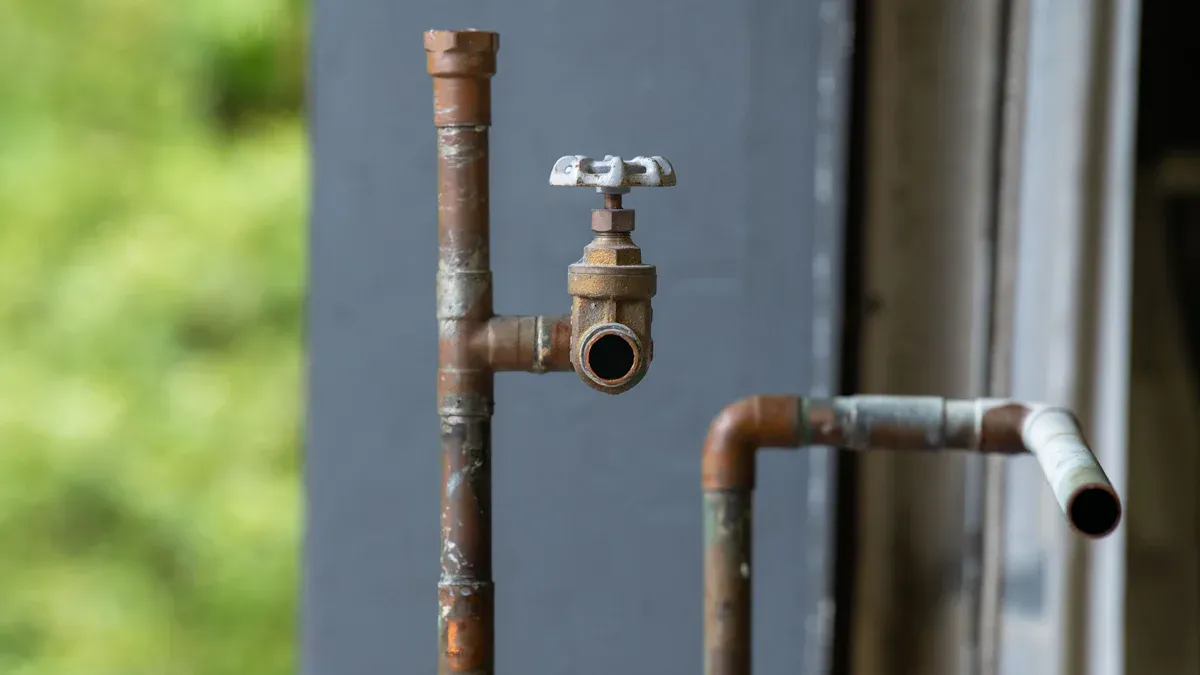
How UV Radiation Affects Standard UPVC
When sunlight hits standard UPVC pipes, ultraviolet (UV) radiation starts a damaging process. Chromophores, which are oxygen-containing groups like carbonyls, peroxides, and hydro peroxides, exist within the PVC material. These chromophores absorb the UV radiation. This absorption excites them to a higher energy level. This excitation then causes the C-Cl bond to break apart, a process called photolytic scission. This breaking creates free radicals. The process also leads to the loss of HCl (dehydrochlorination) and forms conjugated double bonds. These double bonds are what make the PVC turn yellow-brown.
You can see the damage in several ways. The plastic pipe often changes color, usually turning yellow or brown. Its surface can become rough and develop cracks. The pipe also loses its strength, meaning it has lowered impact strength. This makes it more likely to break if something hits it. Sometimes, the pipe can even warp and become misshapen.
Importance of UV Resistance for Outdoor Applications
For outdoor use, UV resistance is very important. Pipes exposed to direct sunlight need to withstand these damaging effects. Without good UV resistance, the pipes will degrade quickly. This leads to problems like leaks, reduced flow, and eventually, system failure. Imagine an agricultural irrigation system; if the UPVC pipes and fittings fail due to sun exposure, crops will not get water. This causes significant losses. Choosing UV-resistant materials saves money on repairs and replacements. It also ensures the system works reliably for many years. This is especially true for critical applications where consistent performance is essential.
Key Characteristics of UV-Resistant UPVC Pipes
Role of UV Stabilizers in UPVC Formulations
Manufacturers add special ingredients called UV stabilizers to UPVC pipes. These stabilizers protect the material from the sun’s harmful rays. They work by absorbing or reflecting UV light. This action stops the UV radiation from breaking down the polymer chains inside the UPVC.
Several types of UV stabilizers exist. For example, Titanium Dioxide (TiO2) is a common one. It reflects visible light and scatters UV radiation. It also absorbs high-energy photons without breaking down itself. Other stabilizers include:
- UV screeners: These block UV radiation from reaching the pipe’s core. Rutile TiO2 and carbon black are good examples.
- UV absorbers: These take in UV radiation and then release it as harmless heat. Benzophenones and Benzotriazoles work this way.
- Hindered Amine Light Stabilizers (HALS): HALS trap and neutralize free radicals that form when UV light hits the pipe. This prevents chemical reactions and damage.
- Organic UV Absorbers: Benzotriazoles and Benzophenones supplement TiO2. They absorb harmful UV radiation and turn it into low-level heat.
- Antioxidants: Hindered phenolic and phosphite antioxidants act as radical scavengers. They neutralize radicals that form during sun exposure.
These additives work together to keep the UPVC pipes and fittings strong and durable outdoors.
Impact of Pipe Thickness and Schedule on UV Durability
The thickness of a UPVC pipe also plays a big role in how well it resists UV damage. Thicker pipes offer more material for UV radiation to penetrate before it reaches critical layers. This means thicker pipes last longer in direct sunlight.
Consider Schedule 40 and Schedule 80 UPVC pipes.
| Feature | Schedule 40 PVC | Schedule 80 PVC |
|---|---|---|
| Wall Thickness | 0.133 inches | 0.179 inches |
| UV Resistance | Less suitable for direct sunlight exposure | Superior UV resistance, more suitable for direct sunlight exposure |
| Durability | Less durable | Thicker and more durable |
| Mechanical Protection | Standard | Superior mechanical protection |
Schedule 80 pipes have thicker walls, about 0.179 inches, compared to Schedule 40 pipes, which are about 0.133 inches thick. This extra thickness gives Schedule 80 pipes superior UV resistance. They are much better for outdoor applications where pipes face constant sun exposure. Thicker pipes also offer better mechanical protection.
Coloring and its Effect on UV Protection
The color of a UPVC pipe can also affect its UV resistance. White UPVC pipes often use Titanium Dioxide (TiO2) as a pigment. TiO2 also acts as a UV stabilizer. It reflects sunlight, which helps keep the pipe cooler and reduces UV absorption. Darker colors, like black, often use carbon black. Carbon black is a strong UV absorber. It takes in UV radiation and turns it into heat. This protects the pipe material underneath. However, its use is limited to dark-colored pipes because of its black color. The right coloring, combined with stabilizers, significantly boosts a pipe’s ability to withstand outdoor conditions.
Top UPVC Pipe Suppliers for Outdoor UV Resistance
When you need UPVC pipes and fittings that stand up to the sun, certain manufacturers consistently deliver. These companies invest in research and development. They create products specifically for outdoor use. Let’s look at some of the top suppliers.
Charlotte Pipe’s UV-Resistant UPVC Pipes and Fittings
Charlotte Pipe is a well-known name in the industry. They make high-quality UPVC products. Their pipes and fittings often include special formulations. These formulations help them resist UV degradation. They understand the challenges of outdoor exposure. So, they design their products to maintain strength and integrity even in direct sunlight. Many professionals trust Charlotte Pipe for reliable outdoor applications. Their commitment to durability makes them a strong choice.
Spears Manufacturing’s Industrial-Grade UPVC Solutions
Spears Manufacturing offers robust UPVC solutions. They focus on industrial and commercial applications. Their products often feature enhanced UV resistance. This makes them suitable for harsh outdoor environments. For example, Spears Manufacturing’s Schedule 80 uPVC fittings are grey. They are explicitly UV stabilized. This means they can handle direct sunlight exposure without quickly degrading. In contrast, their Schedule 40 fittings are white. The company does not recommend them for direct sunlight exposure. This difference highlights their specific UV stabilization for certain product lines. Spears provides reliable options for demanding outdoor projects.
Georg Fischer (GF Piping Systems) Advanced UV Protection
Georg Fischer, or GF Piping Systems, is a global leader. They provide advanced piping solutions. Their UPVC pipes are known for their quality and performance. GF Piping Systems integrates advanced UV protection into many of its products. This ensures their UPVC pipes are UV resistant. They design these pipes to withstand prolonged sun exposure. This makes them ideal for outdoor installations. GF Piping Systems uses innovative materials and manufacturing processes. These methods help their pipes maintain their mechanical properties and appearance over time. Their focus on long-term reliability makes them a top choice for outdoor applications.
Other Notable Suppliers of UV-Resistant UPVC Pipes
Beyond the industry giants, several other companies also provide excellent UV-resistant UPVC pipes. These manufacturers understand the need for durable outdoor solutions. They engineer their products to withstand harsh sunlight. You have many choices when you look for reliable UPVC for your projects.
For example, IPEX is a well-respected name in plastic piping systems. They offer a range of UPVC products. Many of these products feature formulations designed for outdoor exposure. IPEX focuses on quality and performance. Their pipes maintain their integrity even after long periods in the sun. This makes them a strong contender for various outdoor applications.
NIBCO is another long-standing company. They produce a wide array of flow control products, including UPVC pipes and fittings. NIBCO often incorporates UV inhibitors into their UPVC materials. This helps protect the pipes from degradation. Their commitment to manufacturing standards means you get dependable products. These products perform well in exposed environments.
You can also consider professional suppliers like Ningbo Pntek Technology CO., Ltd. This company is located in Ningbo city, Zhejiang province. They are a professional supplier of plastic pipes, fittings, and valves. Pntek has many years of exporting experience. Their main products include UPVC, CPVC, PPR, and HDPE pipes and fittings. They also supply valves, sprinkler systems, and water meters. Pntek manufactures all these products with advanced specific machines and good quality materials. People widely use their products in agricultural irrigation and construction. This makes them a valuable source for UV-resistant UPVC components, especially for outdoor irrigation systems.
These suppliers, along with the major brands, give you many options. They all aim to provide UPVC pipes that resist UV damage. This ensures your outdoor piping systems last a long time.
Identifying UV-Resistant UPVC Pipes and Fittings
Finding the right UPVC pipes and fittings for outdoor use means knowing what to look for. You need to confirm their ability to resist the sun’s damaging rays. This involves checking product details and asking the right questions.
Checking Product Specifications and Data Sheets
Always start by reviewing the product specifications and data sheets. These documents provide important information about the pipe’s composition and intended use. You might see mentions of "white blooming and discolouration" for standard UPVC pipe when exposed to UV rays. However, this usually does not affect the pipe’s integrity or function under normal daylight in places like the UK. Unfortunately, these standard documents often do not specify what information to look for to confirm UV resistance beyond this general statement. They rarely mention specific tests, ratings, or additives that show enhanced UV resistance. This means you need to dig deeper.
Looking for Explicit UV Stabilizer Mentions
For true UV resistance, look for explicit mentions of UV stabilizers. Manufacturers who design their products for outdoor use will proudly state this. Search for phrases like "UV stabilized," "contains UV inhibitors," or "engineered for outdoor exposure." Some might even list specific additives, such as titanium dioxide (TiO2) or Hindered Amine Light Stabilizers (HALS). These details confirm the pipe has extra protection against sun damage. Without these explicit statements, the pipe might not perform well in direct sunlight over time.
Consulting Suppliers for Application Advice
When in doubt, always consult the supplier directly. They are experts on their products. You can ask them about the pipe’s suitability for your specific outdoor application. Explain how much direct sunlight the pipes will receive. Suppliers can offer valuable advice on product selection and expected lifespan. They can also clarify any confusing information in the data sheets. Their guidance helps you make an informed decision and ensures your piping system lasts.
Understanding Warranty Information for Outdoor Exposure
A product’s warranty tells you much about its expected life. For UPVC pipes used outdoors, checking the warranty is very important. Manufacturers offer warranties to cover defects. However, not all warranties cover damage from direct sunlight. You must read the fine print carefully.
Look for specific clauses about outdoor exposure or UV degradation. Some warranties might exclude damage caused by prolonged sun exposure. This means the manufacturer will not replace pipes that fail due to UV rays. A strong warranty for outdoor UPVC pipes will explicitly state coverage for UV resistance. It shows the manufacturer trusts their product to withstand the elements.
For example, a good warranty might guarantee the pipe’s structural integrity for a certain number of years, even with continuous outdoor use. It might also specify conditions, like proper installation. If a supplier offers a limited warranty for outdoor use, ask them why. They might have specific recommendations for protecting the pipe.
Always clarify warranty terms with your supplier before buying. Ask them directly: "Does this warranty cover UV degradation for outdoor installations?" Understanding the warranty protects your investment. It gives you peace of mind. A comprehensive warranty reflects a manufacturer’s confidence in their UPVC pipe’s ability to perform well in the sun. It helps you choose a reliable product for your outdoor projects.
Best Practices for Outdoor UPVC Pipe Installation
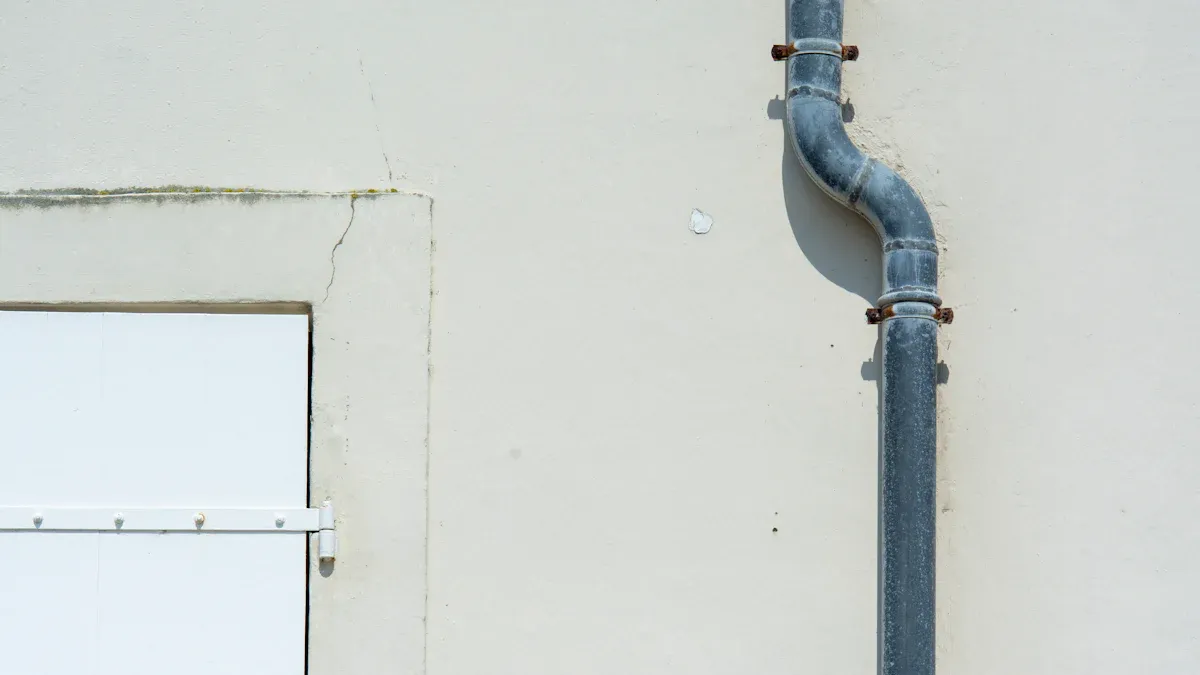
Installing UPVC pipes outdoors requires careful planning. You want your system to last a long time. Following some best practices helps ensure durability and performance.
Proper Support and Expansion Considerations
UPVC pipes expand and contract with temperature changes. This movement can stress the pipes and fittings. You must provide proper support to prevent sagging and damage. Use hangers and clamps at recommended intervals. These supports hold the pipe firmly but allow for slight movement. Also, plan for expansion loops or offsets in long pipe runs. These features absorb the changes in length. They prevent the pipes from buckling or pulling apart. Proper support and expansion planning keep your system stable.
Minimizing Direct Sunlight Exposure
Direct sunlight is a major enemy of outdoor UPVC pipes. It causes degradation over time. You can take several steps to protect your pipes. Using proper insulation is a simple and effective way to shield pipes from too much heat. Applying UV-resistant coatings also helps. These coatings stop UV radiation from damaging the pipe surface, which prevents brittleness and cracking.
Many manufacturers offer pipes with built-in UV inhibitors. These pipes already have protection against UV degradation. Some pipes even use K-Zn and Ca-Zn stabilizers. These stabilizers also help protect UPVC pipes. Consider using UV-stabilized UPVC. This type of UPVC keeps its performance even after years in direct sunlight. Unlike ordinary plastics, it does not become brittle. Multi-layer UPVC pipes are another great option. They have an outer layer specifically designed for better UV and impact resistance. This advanced design makes them perfect for sunny installations.
Regular Inspection for Degradation Signs
Even with the best installation, regular checks are important. You should inspect your outdoor UPVC pipes often. Look for any signs of degradation. These signs include color changes, surface cracks, or a chalky appearance. A pipe that feels brittle or shows warping needs attention. Early detection of these issues allows for timely repairs or replacements. This prevents bigger problems and ensures your system continues to work well. Regular inspections extend the life of your outdoor UPVC piping.
Comparing UPVC with Other UV-Resistant Pipe Materials
Choosing the right pipe material for outdoor use means understanding how different types handle the sun. UPVC offers good UV resistance, but other materials also have their strengths and weaknesses.
UPVC vs. CPVC for Outdoor UV Resistance
Both UPVC and CPVC pipes show good UV resistance. People commonly use UPVC pipes in outdoor plumbing systems because they possess excellent UV resistance. CPVC pipes are also not adversely affected by UV light. Their molecular structure helps prevent photo-oxidation. Chlorine atoms act like an "umbrella," stopping UV light from attacking the polymer chain. While prolonged sun exposure may cause discoloration and a slight reduction in impact strength, CPVC pipes maintain their pressure-bearing capabilities. However, CPVC can become brittle over time and needs proper sun protection for outdoor use.
UPVC vs. HDPE for Direct Sunlight Exposure
When comparing UPVC and HDPE, HDPE generally performs better in direct sunlight. HDPE is completely UV resistant. It can withstand prolonged exposure to sunlight without degradation. HDPE can last 20 years or more in UV exposure. UPVC is susceptible to degradation when exposed to direct sunlight for extended periods. Unprotected UPVC lasts approximately 3 years in sunlight. HDPE’s crystalline molecular structure and UV stabilizers help it resist degradation. PVC’s amorphous structure breaks down faster under ultraviolet radiation, leading to brittleness and discoloration.
Considerations for PPR and PEX in Outdoor Settings
PPR and PEX pipes have specific limitations for outdoor use. PPR pipes are sensitive to UV radiation from sunlight. Prolonged exposure breaks down their molecular structure, weakening them. Pipes become brittle and prone to cracking. Degradation starts on the surface, causing discoloration. Standard PPR pipes show damage within a few months of direct sunlight exposure.
PEX pipes can be used outdoors, but they are sensitive to ultraviolet (UV) light. Prolonged exposure to sunlight degrades the material. UV radiation breaks down chemical bonds in PEX, making standard PEX fittings brittle, discolored, or causing them to lose mechanical strength. Therefore, PEX pipes must be adequately protected from direct sunlight through insulation, sleeving, or by burying them underground. Most PEX products are not intended for outdoor installation without such protection.
Selecting the right UPVC pipe supplier for outdoor use is crucial. It ensures long-term performance and durability. Manufacturers like Charlotte Pipe, Spears Manufacturing, and GF Piping Systems consistently offer UPVC pipes and fittings. They provide superior UV stabilization. Always verify product specifications. Look for explicit UV resistance claims. This ensures the chosen pipes meet the demands of exposed environments. Proper installation and maintenance further contribute to the longevity of outdoor UPVC piping systems.
FAQ
🤔 Why is UV resistance important for outdoor UPVC pipes?
Sunlight’s UV rays degrade standard UPVC. This causes color changes, brittleness, and cracks. UV resistance ensures pipes maintain strength and function. It prevents early system failure.
🛡️ What are UV stabilizers in UPVC pipes?
Manufacturers add UV stabilizers to UPVC. These special ingredients absorb or reflect UV light. They stop the sun’s rays from breaking down the pipe material. This protects the pipe.
🎨 Does the color of a UPVC pipe affect its UV protection?
Yes, color can help. White pipes often use titanium dioxide, which reflects UV. Darker colors, like black, use carbon black. Carbon black absorbs UV, protecting the pipe underneath.
💪 Which UPVC pipe schedule offers better UV resistance for outdoor use?
Schedule 80 pipes have thicker walls than Schedule 40. This extra thickness provides superior UV resistance. They are more durable for constant sun exposure.


