
PVC ball valves play a crucial role in various modern applications, especially in fluid control systems. Their lightweight design and corrosion-resistant PVC valve properties make them ideal for diverse environments. In 2026, the advantages of PVC ball valve benefits become even more pronounced, as they are projected to capture a market size of USD 0.26 billion with a compound annual growth rate of 5.25%.
Key benefits include:
- Cost savings: PVC ball valves do not corrode, leading to fewer repairs.
- Ease of installation: Their lightweight nature allows for quick servicing, supported by PVC valve installation tips.
- Maintenance efficiency: Many designs facilitate straightforward repairs.
For those looking for specific applications, a PVC ball valve size chart can help determine the right fit for your needs. These factors position industrial PVC valves as a preferred choice for industries seeking reliability and efficiency, particularly with the added advantage of a corrosion resistant PVC valve.
Key Takeaways
- PVC ball valves are lightweight and corrosion-resistant, making them ideal for fluid control in various applications.
- Selecting the right PVC ball valve involves considering factors like operating pressure, media compatibility, and maintenance needs.
- Different types of PVC ball valves, such as union and three-way valves, cater to specific operational requirements and enhance efficiency.
- PVC ball valves provide significant cost savings over time due to their durability and low maintenance needs.
- Ensure PVC ball valves meet safety standards, especially for applications involving drinking water, to guarantee reliability.
What are PVC Ball Valves?
PVC ball valves are essential components in fluid control systems, designed to regulate the flow of liquids and gases. These valves feature a spherical disc, known as a ball, which rotates within the valve body to either open or close the flow path. When the ball is turned, it aligns with the flow direction, allowing fluid to pass through. Conversely, when the ball is perpendicular to the flow, it blocks the passage, effectively stopping the flow.
The construction of PVC ball valves involves several key components, each serving a specific function:
| Component | Function |
|---|---|
| Valve Body | Encloses and supports all components, engineered to withstand pressure and chemical exposure. |
| Ball Valve Ball | Rotary ball that controls flow; turning it opens or closes the valve. |
| Stem Mechanism | Links external actuation to internal movement, allowing for quick valve operation. |
| PVC Ball Valve Seats | Sealing rings that ensure a leak-proof interface between the ball and valve body. |
| Purpose of Packing | Prevents leakage around the stem, compensating for movement during operation. |
| Plastic Handle | Provides manual operation with ergonomic design for easy actuation. |
| Actuated PVC Ball Valves | Integrates actuators for automatic operation, enhancing safety and process control. |
The material properties of PVC contribute significantly to the performance of these valves. PVC is lightweight, making installation and handling straightforward. Its durability ensures a long service life, which translates to cost-effectiveness over time. Additionally, PVC exhibits excellent chemical resistance, allowing it to withstand exposure to various chemicals, acids, and bases. This characteristic enhances reliability across diverse applications. Furthermore, PVC’s corrosion resistance sets it apart from metal valves, as it does not corrode, thereby increasing longevity.
| Property | Description |
|---|---|
| Lightweight | PVC is easy to handle and install due to its low weight. |
| Durable | It has a long service life, making it cost-effective over time. |
| Chemical Resistance | PVC resists many chemicals, acids, and bases, ensuring reliability in various applications. |
| Corrosion Resistance | Unlike metals, PVC does not corrode, enhancing its longevity. |
| Environmental Benefits | PVC is recyclable and has a lower environmental impact compared to other plastics. |
Types of PVC Ball Valves
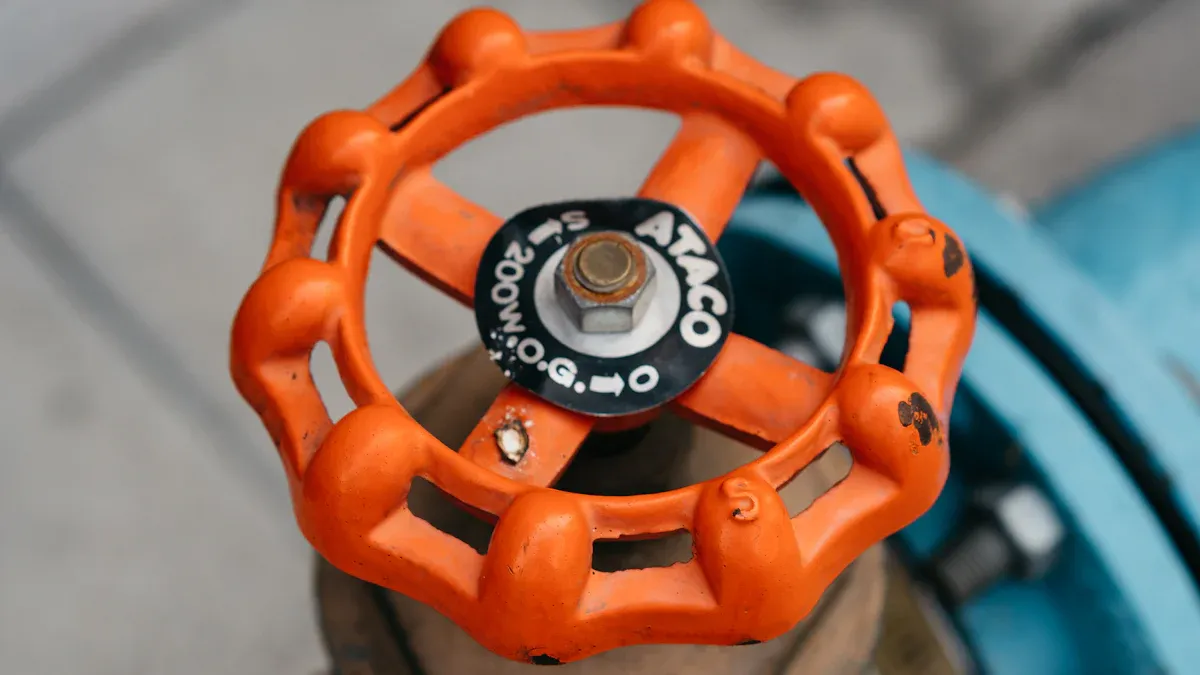
PVC ball valves come in various types, each designed for specific applications and functionalities. Understanding these types helps users select the right valve for their needs. Here are some common types of PVC ball valves:
| Type | Features/Applications |
|---|---|
| Union PVC Ball Valve | Detachable ends for easy maintenance; ideal for aquariums, water tanks, and chemical lines. |
| Single Piece Ball Valve | Compact and affordable; used for basic shut-off tasks like garden hoses and residential taps. |
| Double Union Ball Valve | Maximum flexibility with removable ends; used in chemical processing and pool plumbing. |
| 3 Inch Ball Valve | Heavy-duty for high-volume systems; used in agriculture and wastewater treatment. |
True Union vs. Compact PVC Ball Valves
True union PVC ball valves offer significant advantages in maintenance. They allow for easy removal of the central valve body without cutting the pipe, thanks to threaded union nuts. In contrast, compact PVC ball valves are permanently installed through solvent welding, making them less serviceable. Maintenance on compact valves requires cutting the pipe, which can be cumbersome.
| Feature | True Union PVC Ball Valve | Compact PVC Ball Valve |
|---|---|---|
| Installation | Serviceable (union nuts) | Permanent (solvent-welded) |
| Maintenance | Easy repair (body removes) | Requires cutting the pipe |
Three-Way PVC Ball Valves
Three-way PVC ball valves provide operational flexibility. They can divert, mix, or shut off flow, allowing for quick changes in flow paths. This design efficiency reduces the need for multiple valves and complex piping, lowering installation costs. Additionally, these valves are built to withstand high pressures and temperatures, ensuring durability.
| Advantage | Description |
|---|---|
| Design Efficiency | Reduces the need for multiple valves and complex piping, lowering installation costs. |
| Operational Flexibility | Capable of diverting, mixing, or shutting off flow, allowing for quick changes in flow paths. |
| Durability | Built to withstand high pressures and temperatures, with fewer moving parts than other valve types. |
| Safety and Reliability | Provides tight shutoff to prevent leaks, with options for lockable handles to enhance safety. |
| Ease of Maintenance | Designed for easy disassembly, allowing for quick replacement of parts without removing the valve. |
These various types of PVC ball valves cater to different needs, ensuring that users can find the right solution for their fluid control systems.
Applications of PVC Ball Valves
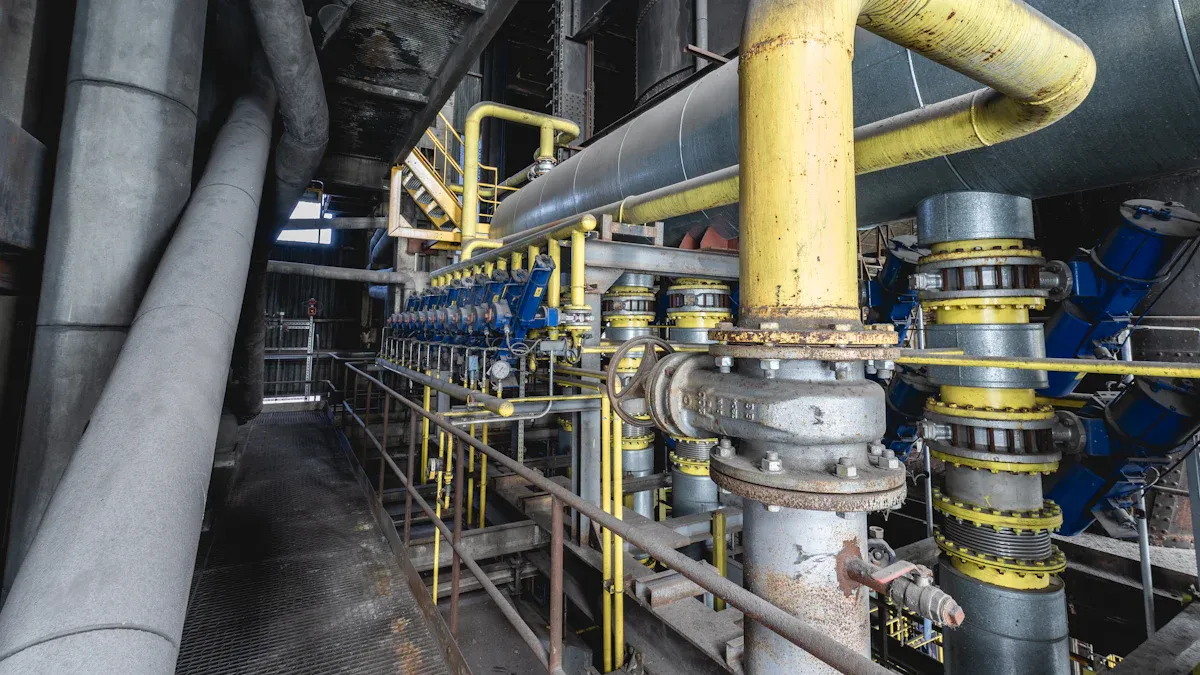
PVC ball valves find extensive use across various industries due to their versatility and reliability. Here are some key applications:
-
Water Treatment Facilities: PVC ball valves play a vital role in managing water flow during different treatment phases. They control the flow of incoming raw water, ensuring high flow rates and precise control during screening and sedimentation processes. Additionally, these valves regulate the flow of treatment chemicals like chlorine and flocculants, ensuring accurate dosing for effective purification. They also facilitate water flow through filtration systems and support backwashing operations, which are essential for maintaining filter efficiency.
-
Agricultural Irrigation Systems: In agriculture, PVC ball valves manage water flow efficiently, minimizing waste. Their design allows for a tight seal when closed, which is crucial for irrigation systems. They are applicable in various irrigation methods, including:
| Application Type | Role of PVC Ball Valves |
|---|---|
| Sprinkler Irrigation | Essential for managing water supply, allowing personalized irrigation plans based on crop needs. |
| Surface Irrigation | Controls flow from the main supply to ditches, optimizing water distribution to fields. |
| Versatile Use | Applicable in drip, sprinkler, and surface systems, ensuring precise water management for crops. |
Farmers benefit from PVC ball valves as they provide precise control over water flow, are lightweight, and are easy to assemble. This efficiency enhances overall irrigation effectiveness, ensuring that plants receive the right amount of water.
- Chemical Processing: PVC ball valves contribute significantly to safety in chemical processing. Their resistance to chemical attack ensures long-term durability, reducing the frequency of replacements and maintenance. This durability is crucial for maintaining system integrity and preventing leaks. The leak-proof design of these valves creates a secure seal, which is vital in chemical handling systems. By ensuring tight control of flow and preventing pressure loss, PVC ball valves significantly reduce the risk of spills and accidents.
These applications highlight the importance of PVC ball valves in various sectors, showcasing their efficiency, reliability, and safety.
Selection Tips for PVC Ball Valves
Selecting the right PVC ball valve for a specific application requires careful consideration of several factors. Here are essential tips to guide the selection process:
-
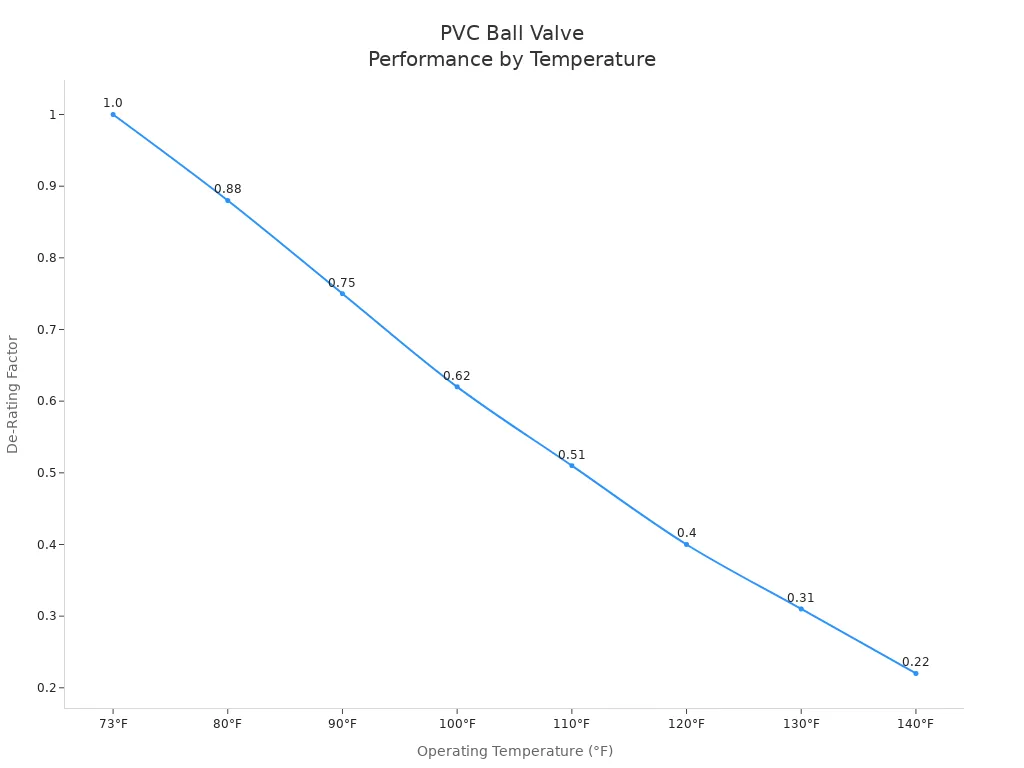
Operating Pressure and Temperature: Ensure that the valve’s rating exceeds the maximum system pressure and temperature. This precaution prevents valve failure and maintains system integrity.
-
Media Compatibility: Choose materials that are compatible with the process fluid. This step is crucial to avoid corrosion or degradation of the valve. Evaluate the chemical compatibility of materials with the media being handled. Consider the effects of abrasive particles, corrosive chemicals, or high viscosity on valve performance.
-
Flow Control Requirements: For applications requiring throttling, opt for V-port or trunnion-mounted valves equipped with proper actuators. These designs provide better control over flow rates.
-
Pipeline Size and Layout: Assess the pipeline size and layout, including full versus reduced bore options. Consider the port configuration and available installation space to ensure a proper fit.
-
Automation Needs: Determine whether the valve needs to be operated remotely or integrated into a control system. Automated valves enhance efficiency and safety in fluid control processes.
-
Maintenance and Lifespan: Select valves that are easy to maintain, with readily available spare parts. Regular maintenance ensures longevity and optimal performance.
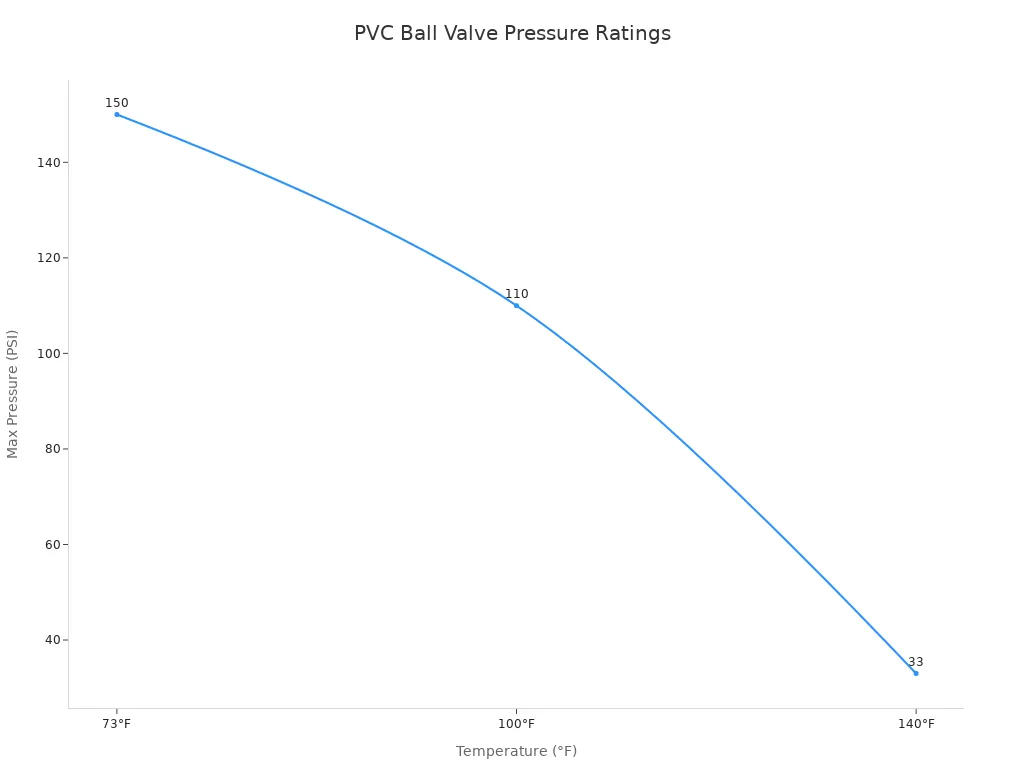
When considering pressure ratings for PVC ball valves in industrial settings, refer to the following table:
| PVC Type | Temperature (°F) | Maximum Pressure (PSI) |
|---|---|---|
| Schedule 40 | 73 | 150 |
| Schedule 40 | 100 | 110 |
| Schedule 40 | 140 | 33 |
| Schedule 80 | N/A | Over 200 |
For applications involving potable water systems, ensure that the selected PVC ball valves meet NSF/ANSI 61 standards. Look for NSF certification marks to confirm compliance with health and safety requirements. Additionally, check for certifications like ASTM D1784, which pertains to PVC material standards.
Cost considerations also play a significant role in the selection process. PVC ball valves often provide significant long-term cost savings due to their reduced maintenance needs and extended operational life. Their resistance to corrosion means they do not require regular treatments or repairs, which is often necessary for metal valves. This leads to fewer replacements and less disruption in fluid supply systems.
PVC ball valves are essential components in fluid control systems, offering reliability and efficiency across various applications. Their lightweight design and corrosion resistance make them ideal for water treatment, agricultural irrigation, and chemical processing.
Summary of Types and Applications
- Types: Union, single piece, double union, and three-way valves cater to diverse needs.
- Applications: They excel in water systems, agricultural irrigation, and chemical handling.
Final Selection Tips for 2026
- Material Quality: Choose high-quality materials for durability.
- Pressure Ratings: Match the valve’s rating to your system’s requirements.
- Chemical Compatibility: Ensure compatibility with the fluids involved.
For optimal performance, consider the operating temperature and pressure ratings. PVC ball valves perform best under 150 PSI and 140°F (60°C).
By following these guidelines, users can confidently select the right PVC ball valve for their specific applications in 2026.
FAQ
What is the lifespan of a PVC ball valve?
PVC ball valves typically last between 10 to 20 years, depending on usage and environmental conditions. Proper maintenance can extend their lifespan significantly.
Can PVC ball valves be used for hot water applications?
Yes, PVC ball valves can handle hot water applications, but they have temperature limits. Ensure the valve’s specifications exceed the maximum temperature of your system.
How do I maintain a PVC ball valve?
Regularly inspect the valve for leaks and ensure the handle operates smoothly. Clean any debris around the valve and replace seals if necessary.
Are PVC ball valves suitable for drinking water?
Yes, many PVC ball valves meet NSF/ANSI 61 standards for drinking water safety. Always check for certification marks before installation.
What sizes do PVC ball valves come in?
PVC ball valves are available in various sizes, typically ranging from 1/2 inch to 12 inches. Choose a size that fits your specific piping system.


