
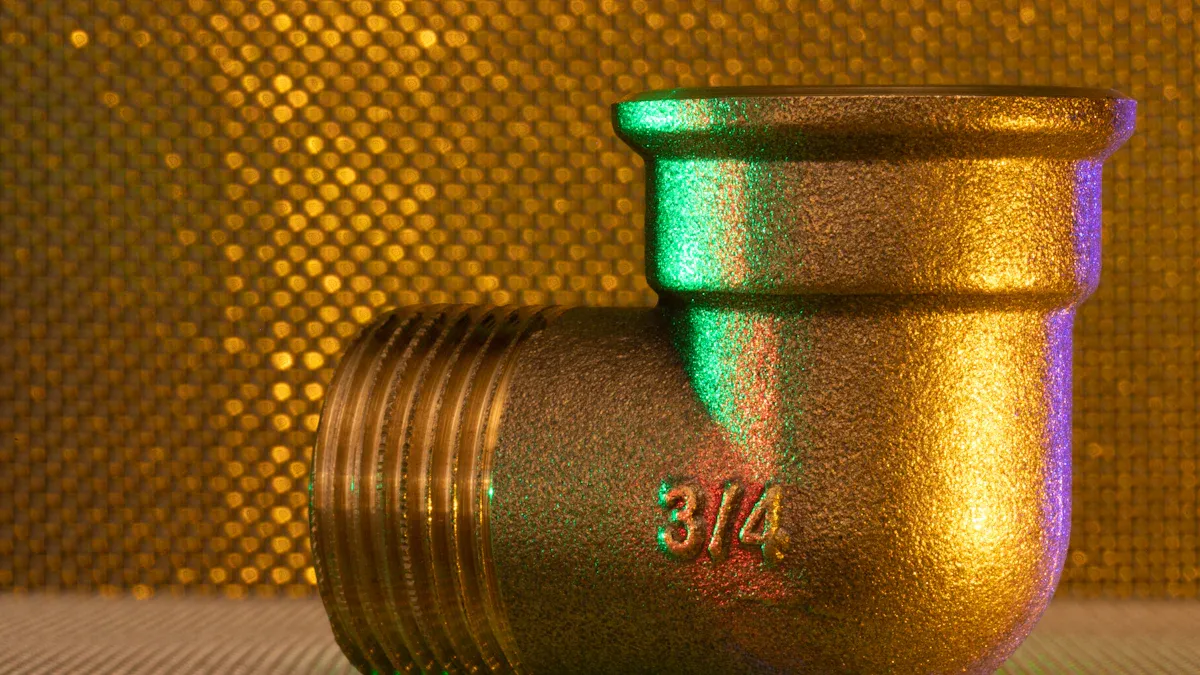
When it comes to residential plumbing, PVC pipe fittings are essential for ensuring efficient water flow. They connect various pipes, making it easier for you to manage your water supply and drainage systems. By understanding how these fittings work, you can make informed choices for your home. Whether you’re using CPVC fittings for hot water or opting for PP fittings for their durability, knowing your options helps you maintain a reliable plumbing system. Additionally, with options like the Compact Ball Valve and PVC Ball Valve, you can effectively control water flow. Furthermore, incorporating HDPE fittings can enhance the longevity of your plumbing setup.
Key Takeaways
- PVC fittings are essential for connecting pipes in plumbing systems, ensuring efficient water flow and drainage.
- Using tees, elbows, and couplings allows for flexibility in plumbing layouts, making installations easier and more effective.
- PVC fittings are cost-effective and durable, providing long-lasting solutions without the worry of rust or corrosion.
- Installation of PVC fittings is straightforward, requiring only basic tools and minimal time, making it ideal for DIY projects.
- Regular maintenance and checks on PVC fittings can prevent leaks and ensure a reliable plumbing system.
Types of PVC Pipe Fittings
Tees
Tees are one of the most versatile PVC pipe fittings. They allow you to connect three pipes at once, forming a T-shape. This fitting is perfect for branching off your main water supply line. For example, if you want to run water to a garden hose or a sprinkler system, a tee fitting makes it easy. You can use it in both water supply and drainage systems.
When installing a tee, make sure to choose the right size to match your pipes. This ensures a snug fit and prevents leaks. Plus, using PVC pipe fittings like tees can save you time and effort during your plumbing projects.
Elbows
Elbows are another essential type of PVC pipe fitting. They help you change the direction of your pipes, typically at a 90-degree or 45-degree angle. This is especially useful when you need to navigate around obstacles in your plumbing layout.
For instance, if you’re running a pipe along a wall and need to turn it to go up to a sink, an elbow fitting will do the trick. Just like tees, elbows come in various sizes, so you can find the perfect match for your existing pipes.
Couplings
Couplings are simple yet crucial PVC pipe fittings. They connect two pieces of pipe together, allowing for a seamless flow of water. If you ever need to extend a pipe or repair a broken section, a coupling is your go-to solution.
Installing a coupling is straightforward. Just cut your pipe, slide the coupling over both ends, and secure it. This fitting is vital for maintaining the integrity of your plumbing system.
Using these types of PVC pipe fittings can significantly enhance your plumbing setup. They provide flexibility, ease of installation, and reliability, making them a favorite among DIY enthusiasts and professional plumbers alike.
Caps
Caps are simple yet essential PVC pipe fittings. They serve a specific purpose: to close off the end of a pipe. If you ever need to stop water flow in a section of your plumbing, a cap is your best friend. You can use caps in various situations, such as when you want to temporarily seal a pipe during repairs or when you’re capping off a line that’s no longer in use.
Installing a cap is straightforward. Just slide it onto the end of the pipe and secure it. Make sure you choose the right size to ensure a snug fit. This prevents leaks and keeps your plumbing system running smoothly.
Tip: Always check the condition of your caps periodically. Over time, they can wear out or become brittle, especially if exposed to harsh conditions.
Adapters
Adapters are another crucial type of PVC pipe fitting. They allow you to connect pipes of different sizes or materials. For instance, if you have a PVC pipe that needs to connect to a metal pipe, an adapter makes this transition seamless. This flexibility is vital in plumbing, where you often encounter various pipe types.
When using adapters, pay attention to the specifications. You want to ensure that the adapter matches the diameter of your pipes. This way, you maintain proper water flow and avoid any potential leaks.
Did You Know? Adapters come in various styles, including threaded and slip types. Choose the one that best fits your project needs.
Using caps and adapters effectively can enhance your plumbing system’s efficiency. They provide solutions for sealing and connecting, making your plumbing projects easier and more reliable.
Applications of PVC Pipe Fittings in Plumbing
Water Supply Lines
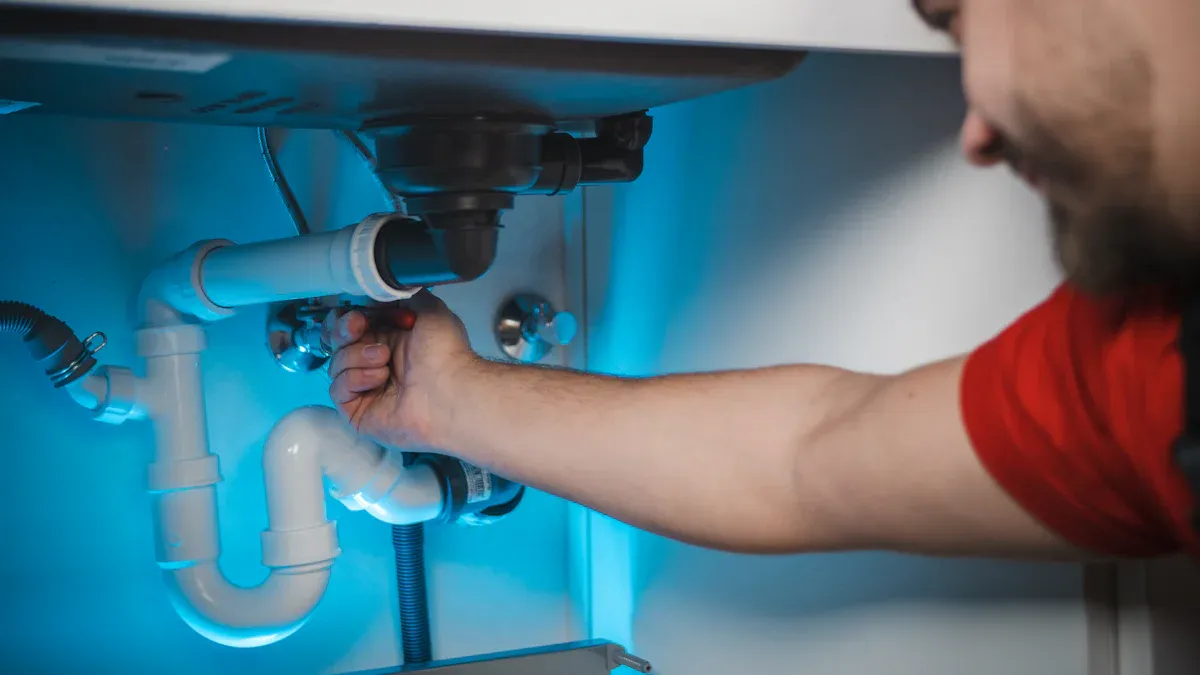
When you think about your home’s water supply, PVC pipe fittings play a vital role. They connect pipes that bring fresh water into your home. Using these fittings makes it easy to create a network that delivers water to your kitchen, bathroom, and even your garden.
You can use tees to branch off from the main line, directing water where you need it. Couplings help you extend existing pipes or repair any breaks. With the right fittings, you can ensure that every faucet and appliance gets the water it needs without leaks or interruptions.
Drainage Systems
PVC pipe fittings are equally important in your drainage systems. They help manage wastewater from sinks, toilets, and showers. Proper drainage is crucial for keeping your home clean and preventing unpleasant odors.
Elbows allow you to navigate around obstacles, while caps can seal off unused lines. By using these fittings, you can create a reliable drainage system that efficiently directs wastewater away from your home. This not only protects your property but also helps maintain a healthy environment.
Venting Systems
Venting systems are another area where PVC pipe fittings shine. These systems allow air to flow through your plumbing, preventing pressure build-up and ensuring proper drainage. Without adequate venting, you might experience slow drains or even sewer gas odors in your home.
Using PVC pipe fittings, you can easily connect vent pipes to your drainage system. This ensures that air can circulate freely, keeping everything running smoothly. Remember, a well-vented plumbing system is key to avoiding costly repairs down the line.
Tip: Always check local plumbing codes before installing any PVC pipe fittings. This ensures your system meets safety standards and functions correctly.
Irrigation Systems
Irrigation systems are essential for maintaining healthy gardens and landscapes. When you want to keep your plants thriving, using PVC pipe fittings can make a big difference. These fittings help you create a network that delivers water efficiently to every corner of your garden.
You can use tees to branch off from your main water line, directing water to different areas. Elbows allow you to navigate around trees or flower beds without disrupting your layout. Couplings can extend your irrigation lines if you decide to expand your garden.
Here’s a quick list of how PVC pipe fittings benefit your irrigation system:
- Flexibility: Easily adjust your layout as your garden grows.
- Durability: PVC fittings resist weather conditions, ensuring long-lasting performance.
- Cost-Effectiveness: They are affordable and reduce the need for frequent replacements.
Tip: Regularly check your irrigation system for leaks. A small leak can waste a lot of water over time!
Wastewater Management
Wastewater management is another critical application of PVC pipe fittings. Properly managing wastewater helps keep your home clean and safe. You want to ensure that all the water from sinks, showers, and toilets flows away efficiently.
Using PVC pipe fittings in your wastewater system allows you to create a reliable network. Elbows help you navigate around obstacles, while caps can seal off unused lines. This setup prevents clogs and ensures that wastewater moves smoothly to the main sewer line.
Here are some benefits of using PVC pipe fittings in wastewater management:
- Corrosion Resistance: PVC doesn’t rust or corrode, making it ideal for handling wastewater.
- Lightweight: This makes installation easier and less labor-intensive.
- Easy Maintenance: If you need to make repairs, PVC fittings are simple to work with.
Did You Know? A well-designed wastewater system can prevent unpleasant odors and protect your home from potential damage.
By incorporating PVC pipe fittings into your irrigation and wastewater systems, you can enhance efficiency and reliability. These fittings are not just practical; they also help you maintain a healthy environment around your home.
Benefits of Using PVC Pipe Fittings
Cost-Effectiveness
When you think about plumbing, cost is always a factor. PVC pipe fittings are budget-friendly. They’re often cheaper than metal fittings, which means you can save money on your plumbing projects. Plus, their lightweight nature makes them easy to transport and install, reducing labor costs. You get quality without breaking the bank!
Tip: Always compare prices at different stores. You might find great deals on PVC fittings that can help you save even more.
Durability
Durability is another big reason to choose PVC pipe fittings. These fittings can withstand high pressure and temperature changes. They won’t crack or break easily, which means fewer repairs for you. Imagine not having to worry about leaks or replacements for years!
Here’s a quick list of what makes PVC fittings durable:
- Impact Resistance: They can handle bumps and drops during installation.
- Long Lifespan: With proper care, they can last for decades.
Corrosion Resistance
One of the best features of PVC pipe fittings is their resistance to corrosion. Unlike metal, PVC won’t rust or corrode over time. This is especially important in plumbing, where moisture is always present. You won’t have to deal with the headaches of rust stains or weakened pipes.
Did You Know? PVC fittings are also resistant to many chemicals. This makes them ideal for various applications, from water supply to wastewater management.
Ease of Installation
One of the best things about PVC pipe fittings is how easy they are to install. You don’t need to be a plumbing expert to get the job done. With just a few tools, you can tackle your plumbing projects confidently. Here’s why installation is a breeze:
- No Special Tools Required: You only need basic tools like a pipe cutter and a measuring tape. Most homeowners already have these at home.
- Simple Joining Process: Just clean the pipe ends, apply PVC cement, and push the fittings together. It’s that easy!
- Quick Drying Time: PVC cement dries quickly, so you won’t have to wait long before using your plumbing system again.
Tip: Always follow the manufacturer’s instructions for the best results. This ensures a strong bond and prevents leaks.
Lightweight Nature
Another fantastic feature of PVC pipe fittings is their lightweight nature. Unlike metal fittings, which can be heavy and cumbersome, PVC fittings are easy to handle. Here’s how their lightweight design benefits you:
- Easier to Transport: You can carry multiple fittings without straining your back. This makes shopping for supplies much more convenient.
- Simplified Installation: Since they’re light, you can easily maneuver them into place. This is especially helpful when working in tight spaces.
- Reduced Shipping Costs: If you order fittings online, their lightweight nature can lower shipping fees. You save money while getting the materials you need!
Did You Know? The lightweight nature of PVC fittings also means less stress on your plumbing system. This can lead to fewer issues down the road!
By choosing PVC pipe fittings, you not only simplify your installation process but also enjoy the benefits of a lightweight material. This combination makes your plumbing projects more manageable and efficient.
In summary, PVC fittings are essential for efficient plumbing in your home. They connect pipes and help manage water flow effectively. With various types and applications, these fittings prove to be versatile and reliable. You’ll appreciate their durability and cost-effectiveness, making them a smart choice for any plumbing project. So, whether you’re tackling a DIY repair or planning a new installation, consider using PVC pipe fittings to ensure a smooth and efficient plumbing system.
FAQ
What are PVC fittings used for in plumbing?
PVC fittings connect pipes in various plumbing systems. They help manage water supply, drainage, and wastewater efficiently. You can find them in applications like irrigation and venting systems.
Are PVC fittings safe for drinking water?
Yes, PVC fittings are safe for drinking water. They meet safety standards and are widely used in residential plumbing. Just ensure you choose fittings labeled for potable water use.
How do I install PVC fittings?
Installing PVC fittings is simple. Cut your pipe, clean the ends, apply PVC cement, and push the fitting onto the pipe. Hold it in place for a few seconds to ensure a strong bond.
Can I use PVC fittings outdoors?
Absolutely! PVC fittings are durable and resistant to weather conditions. They work well for outdoor plumbing projects, like irrigation systems. Just make sure to check for UV-resistant options if exposed to sunlight.
How long do PVC fittings last?
PVC fittings can last for decades with proper care. They resist corrosion and wear, making them a reliable choice for plumbing. Regular maintenance helps ensure their longevity.


