
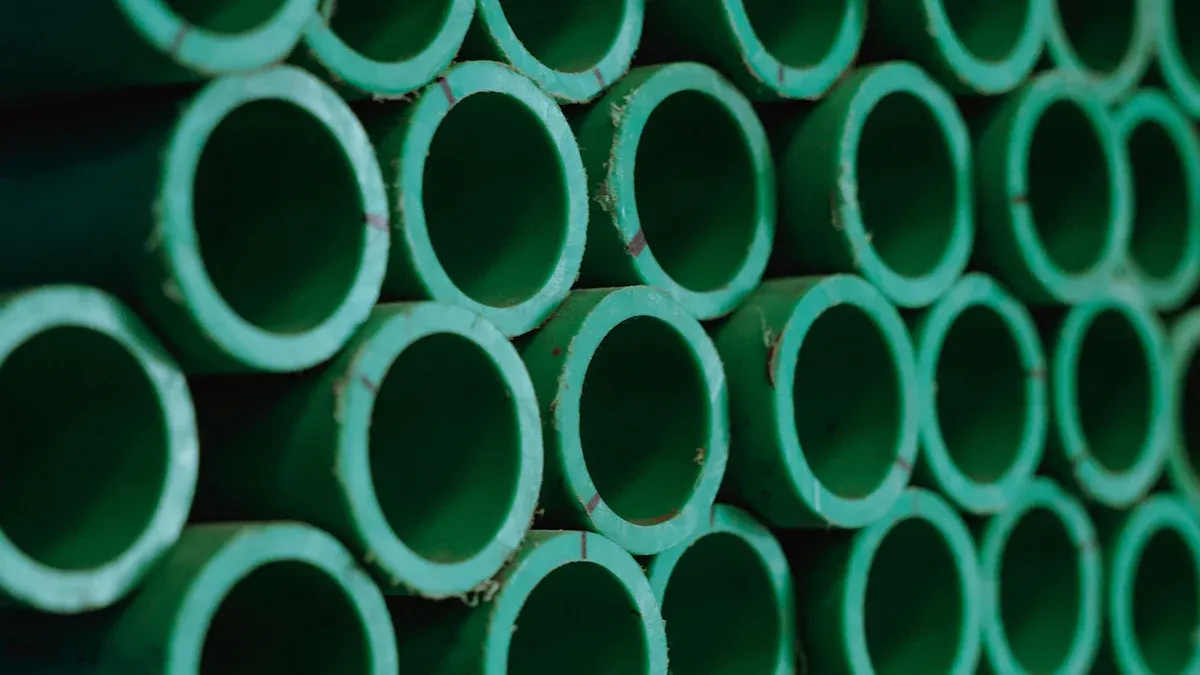
Choosing the right plastic piping systems is crucial for maintaining efficient plumbing infrastructure. A proper selection can significantly enhance the efficiency and longevity of the system. For example, plastic pipes, such as UPVC pipes or polyethylene, may lead to structural stress and potential leaks if not chosen wisely. Common applications of plastic piping systems include:
- Distributing potable water inside buildings
- Irrigating gardens and landscapes
- Draining household sanitary waste
Selecting the appropriate materials, like CPVC pipe fittings, PPR pipe fittings, or HDPE fittings, ensures optimal performance across various settings, especially when it comes to water supply pipe fittings.
Key Takeaways
- Choosing the right plastic piping system enhances plumbing efficiency and longevity. Consider factors like pressure ratings and temperature resistance.
- PVC pipes are durable and cost-effective, making them ideal for various applications. Their corrosion resistance ensures long-lasting performance.
- CPVC pipes handle hot water applications well but require careful handling in cold conditions to avoid brittleness.
- PEX piping systems offer flexibility and ease of installation, reducing the number of joints and potential leak points in plumbing.
- HDPE pipes excel in harsh environments due to their durability and resistance to chemicals, making them suitable for outdoor applications.
Types of Plastic Piping Systems
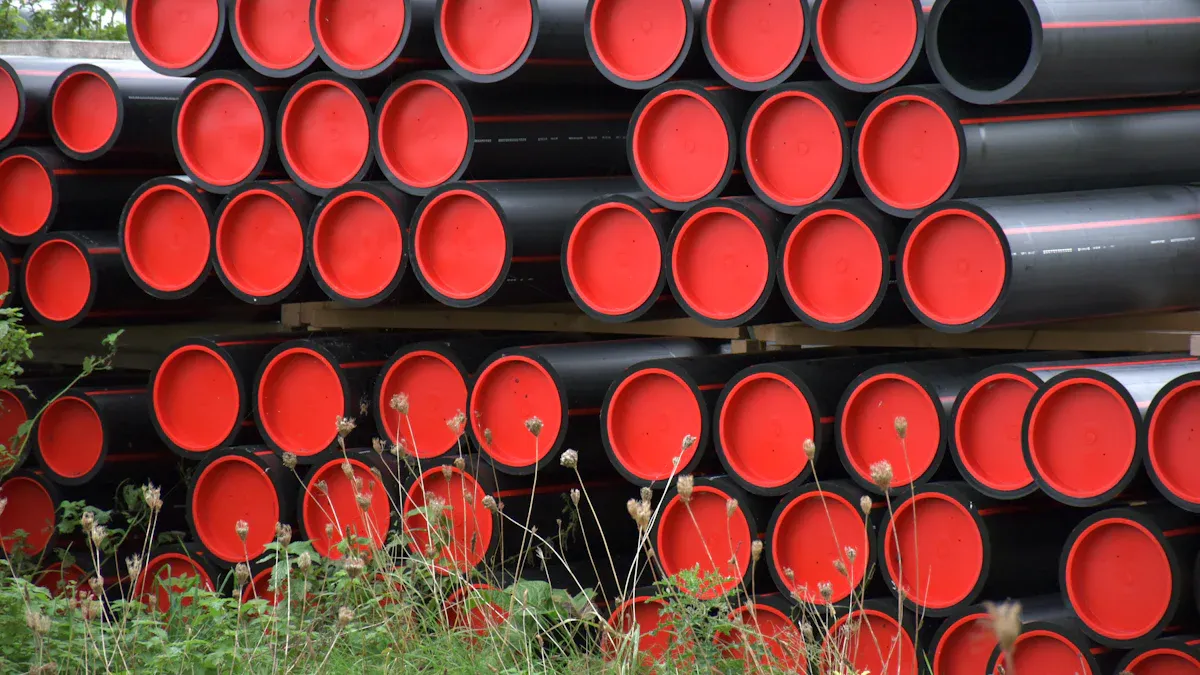
PVC (Polyvinyl Chloride)
PVC is one of the most widely used plastic piping systems due to its versatility and durability. This material is particularly known for its excellent resistance to corrosion, making it suitable for various applications. Below are some key characteristics and advantages of PVC piping systems:
| Characteristic/Advantage | Description |
|---|---|
| Corrosion Resistance | Highly resistant to water, acids, alkalis, and other chemicals. |
| Pressure Resistance | Excellent pressure resistance for transporting liquids or gases. |
| Heat Resistance | Can withstand high temperatures within a certain range. |
| Environmentally Friendly | Contains no toxic substances and meets environmental protection requirements. |
| Durability | Excellent wear resistance and long operational life without aging or breakage. |
| Cost-effectiveness | Lower material and installation costs compared to metal pipes. |
PVC pipes often last over 100 years, showcasing exceptional longevity. Their smooth interior surfaces enhance pumping efficiency, while their lightweight nature simplifies installation. These factors contribute to significant savings in both material and installation expenses.
CPVC (Chlorinated Polyvinyl Chloride)
CPVC is another popular choice for plastic piping systems, especially in hot and cold water supply applications. This material offers several advantages, but it also has limitations. Here’s a closer look:
| Use Cases | Limitations |
|---|---|
| Hot and cold water supply in residential and commercial buildings | Becomes brittle at very low temperatures (below 32°F) |
| Handling industrial fluids, acids, and alkalis | Prone to cracking if mishandled at low temperatures |
| Fire suppression systems due to low smoke generation | Limited flexibility compared to metallic piping |
| Transporting treated and untreated water, including chlorinated water | Not suitable for extremely high-temperature applications |
CPVC piping systems are ideal for environments that require resistance to high temperatures and corrosive substances. However, users must handle them carefully to avoid brittleness in cold conditions.
PEX (Cross-Linked Polyethylene)
PEX piping systems have gained popularity due to their flexibility and ease of installation. This material can bend around obstacles, reducing the need for fittings. Below is a comparison of PEX with flexible PVC:
| Feature | PEX Piping | Flexible PVC |
|---|---|---|
| Flexibility | Highly flexible, can be easily curved and bent | Thicker, can navigate obstacles but less flexible |
| Installation Method | Uses crimping system for quick connections | Bonded with primer and cement, more time-consuming |
| Common Applications | Home and business plumbing | Pools and irrigation |
PEX systems are particularly advantageous for residential plumbing, as they can be installed quickly and efficiently. Their flexibility allows for fewer joints, which minimizes potential leak points.
HDPE (High-Density Polyethylene)
HDPE, or High-Density Polyethylene, is a robust plastic piping system known for its exceptional durability and environmental resistance. This material excels in various applications, particularly in harsh environments. The molecular structure of HDPE provides remarkable resistance to corrosion and chemicals, allowing it to withstand aggressive substances like acids and alkalis without the need for protective coatings. This characteristic not only enhances corrosion prevention but also reduces maintenance costs significantly.
Key benefits of HDPE include:
- Durability: HDPE pipes can endure mechanical wear from soil movement and other abrasive elements, making them reliable for outdoor applications.
- UV Stability: The material’s resistance to ultraviolet light ensures minimal degradation from sunlight exposure, maintaining structural integrity over time.
- Environmental Resistance: HDPE exhibits remarkable resistance to environmental factors, making it suitable for various applications, including water distribution and drainage systems.
Applications of Plastic Piping Systems
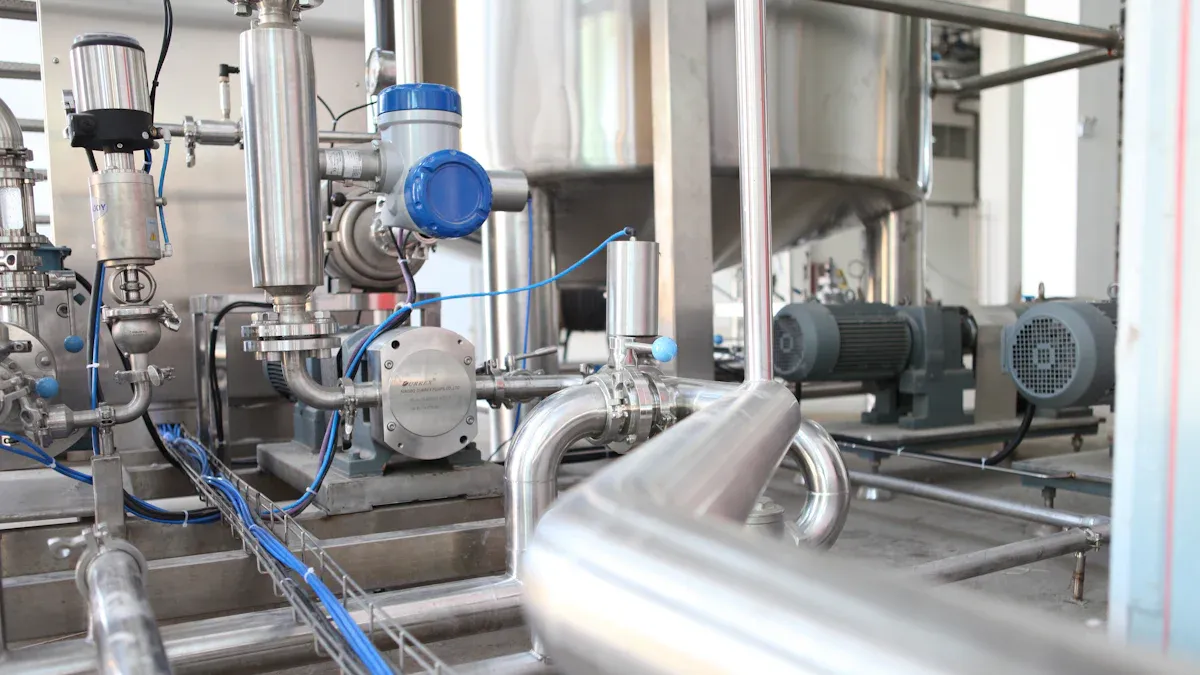
Residential Plumbing
Plastic piping systems play a significant role in residential plumbing. They account for over 60% of new residential construction projects. Homeowners and builders prefer plastic pipes due to their lightweight nature and ease of installation. These pipes resist corrosion and are less likely to leak compared to traditional materials.
Key Benefits of Plastic Piping in Residential Plumbing:
- Cost-Effective: Lower material and installation costs.
- Durability: Long-lasting performance with minimal maintenance.
- Flexibility: Easy to maneuver around obstacles during installation.
In addition, plastic pipes are ideal for both hot and cold water supply lines. Their ability to withstand varying temperatures makes them suitable for diverse climates.
Industrial Uses
Plastic piping systems are increasingly popular in industrial applications. They offer several advantages that make them a preferred choice over metal pipes.
| Advantage | Description |
|---|---|
| Chemical Resistance | Ideal for handling highly corrosive fluids. |
| Ease of Installation | Often easier to install than comparable metal piping systems. |
| Cost-Effectiveness | More cost-effective due to lower installation and maintenance costs. |
| Durability | Durable alternative to metal pipes, ensuring longevity in industrial use. |
PVC pipes excel in chemical resistance, making them suitable for transporting aggressive substances. Their lightweight and flexible design simplifies installation, even in complex systems. Industry leaders emphasize the importance of education and innovation in promoting these systems, highlighting their reliability and efficiency.
Irrigation Systems
Plastic piping systems significantly improve efficiency in irrigation systems compared to traditional materials. They offer numerous advantages that enhance water distribution and reduce maintenance issues.
| Advantage | Plastic Pipes | Traditional Materials |
|---|---|---|
| Durability | High resistance to corrosion | Prone to rust and sediment build-up |
| Leakage | Reduced leakage with modern fittings | Frequent leaks and maintenance issues |
| Water Pressure | Maintains consistent pressure | Pressure drops due to corrosion |
| Installation | Lightweight and easy to install | Heavier and more complex to install |
| Compatibility | Works with modern irrigation tech | Limited compatibility |
The transition to plastic pipes in irrigation systems allows for better water management and conservation. Their lightweight nature facilitates easier installation, while their durability ensures long-term performance.
Drainage Solutions
Plastic piping systems offer significant advantages for drainage solutions in both commercial and residential buildings. Their lightweight structure simplifies transport and handling, reducing overall costs. These systems effectively manage wastewater and stormwater, making them adaptable for various applications. Here are some key benefits of using plastic piping systems for drainage:
- Versatility: Suitable for diverse applications, including commercial and industrial use.
- Cost-Effectiveness: Generally more affordable than traditional materials, leading to lower installation costs.
- Corrosion Resistance: Enhanced longevity due to resistance against corrosive substances.
- Reliable Performance: Capable of withstanding extreme temperature variations without compromising integrity.
- Superior Chemical Resistance: Ideal for environments where exposure to harsh chemicals is common.
The combination of these features makes plastic piping systems a reliable choice for drainage solutions, ensuring efficient performance and reduced maintenance needs.
HVAC Systems
In HVAC systems, plastic piping systems play a crucial role in enhancing efficiency and performance. These systems are commonly utilized for chilled and hot water applications, as well as for potable water and radiant heat systems. The flexibility of plastic piping allows for quicker installation, minimizing the need for joints and couplers. Here are some notable benefits of integrating plastic piping systems into HVAC applications:
- Reduced Risk of Biofilm Growth: Plastic materials lower the likelihood of bacteria and biofilm accumulation, promoting healthier air quality.
- Cost-Effectiveness: Compared to metal piping, plastic options are generally more affordable, both in terms of material and installation costs.
- Lower Theft Risk: The lack of scrap value associated with plastic reduces the likelihood of jobsite theft, providing peace of mind for contractors.
Overall, the integration of plastic piping systems into HVAC applications not only streamlines installation but also enhances system performance and longevity.
Factors to Consider When Choosing Plastic Piping Systems
Pressure Ratings
When selecting plastic piping systems, understanding pressure ratings is essential. Each type of plastic pipe has a specific pressure rating that indicates its ability to withstand internal pressure without failure. For example, PVC pipes typically handle pressures up to 140 psi, while CPVC pipes can manage higher pressures due to their enhanced strength.
Tip: Always check the manufacturer’s specifications for pressure ratings to ensure the chosen piping system meets the requirements of the intended application.
Temperature Resistance
Temperature resistance varies significantly among different plastic piping systems. The following table summarizes the maximum temperature limits for common types of plastic pipes:
| Pipe Type | Maximum Temperature | Notes |
|---|---|---|
| ABS | 140° F | Not suitable for high-temperature applications; used mainly for drain, waste, and vent. |
| PVC | 140° F | Cannot be used for hot water distribution due to pressure and temperature requirements. |
| CPVC | Higher than PVC | More flexible and can withstand higher temperatures than PVC. |
| PEX | Above 140° F can reduce service life | Flexible and suitable for hot and cold water applications. |
| HDPE | Not specified | Suitable for hot water lines. |
Chlorinated Polyvinyl Chloride (CPVC) pipes are designed to handle higher temperatures than standard PVC, making them suitable for hot water lines. PEX pipes are naturally heat-resistant and flexible, reducing the risk of bursting in freezing conditions.
Chemical Compatibility
Chemical compatibility is another critical factor when choosing plastic piping systems. Certain chemicals can degrade specific types of plastic, leading to leaks or failures. For instance, PEX piping should avoid contact with organic chemicals, strong acids, and petroleum-based products.
Important Note:
- Chlorinated and aromatic hydrocarbons, esters, or ketones are not recommended for PVC or CPVC thermoplastic piping materials.
- Only approved firestop materials should be used with PEX piping.
Understanding these compatibility issues helps ensure the longevity and reliability of the piping system in various environments.
Installation Requirements
Installing plastic piping systems involves several considerations that differ from traditional metal alternatives. The lightweight nature of plastic pipes simplifies handling and reduces labor costs. Below is a comparison of installation features between plastic and metal piping systems:
| Feature | Plastic Piping Systems | Metal Piping Systems |
|---|---|---|
| Weight | Lightweight, easier to handle | Heavier, requires more labor |
| Joining Methods | Solvent welding, clamps, mechanical couplings | Welding with heat and metal filler |
| Labor Intensity | Lower labor costs due to ease of installation | Higher labor costs due to complexity |
| Corrosion Resistance | Superior chemical resistance | Prone to rust and corrosion |
| Temperature Limitations | Typically under 180°F for CPVC | Higher temperature ratings |
| Maintenance | Easier repairs with minor training | Requires skilled labor for repairs |
Plastic piping systems, such as CPVC, offer significant advantages over metal alternatives. The simpler joint welding process requires less specialized equipment and training. Additionally, the lower weight of CPVC makes it easier to handle and install, which further reduces labor costs.
Cost Considerations
Cost plays a crucial role in selecting plastic piping systems. The material costs for CPVC are generally lower than those for PP-R, with PP-R being 25% to 200% more expensive. The installation of CPVC is simpler and faster, requiring less labor and no special tools. In contrast, PP-R necessitates expensive tools and skilled labor for heat fusion, making CPVC installations more cost-effective overall.
Key Benefits of Choosing Plastic Piping Systems:
- Lower material costs
- Reduced labor expenses
- Easier installation processes
- Minimal maintenance requirements
Overall, the combination of lower initial costs and reduced installation complexity makes plastic piping systems an attractive option for various applications.
Comparing Plastic Piping Systems
Performance Metrics
Evaluating plastic piping systems involves several performance metrics that ensure reliability and safety. Key metrics include:
| Performance Metric | Description |
|---|---|
| Application Classes | Classification based on working temperatures and pressures for different water supply needs. |
| Long-term Strength Verification | Methods to assess durability and resistance to temperature over time. |
| Hydrostatic Pressure Testing | Testing conditions established for long-term performance data under real-life conditions. |
| Mechanical Strength Assessment | Evaluation of mechanical properties to ensure safety and reliability over expected service life. |
These metrics help determine the suitability of various plastic piping systems for specific applications.
Longevity and Maintenance
The lifespan of plastic piping systems varies by material. The following table summarizes the expected lifespans under typical usage conditions:
| Material | Lifespan (Years) |
|---|---|
| PVC | > 70 |
| ABS | 40-50 |
| PEX | 40-50 |
CPVC pipes, known for their superior thermal resistance, are ideal for hot water plumbing in both residential and commercial systems. Their longevity reduces the frequency of replacements, leading to lower maintenance costs over time.
Environmental Impact
Plastic piping systems contribute positively to sustainability in construction projects. Notable environmental benefits include:
- Plastic piping systems, particularly PVC and PEX, exhibit sustainability and a lower carbon footprint compared to metal pipes.
- PVC has a lower environmental impact in terms of life cycle and carbon footprint, including lower embodied energy and longer life attributes.
- PEX pipe is recognized for its eco-friendly manufacturing process, which reduces the environmental burden compared to copper pipes.
- PVC pipes have a significantly lower climate change impact, being lighter and requiring less energy for transport and installation compared to concrete and ductile iron pipes.
These factors highlight the role of plastic piping systems in promoting environmentally responsible construction practices.
Regulatory Compliance
Regulatory compliance is essential when selecting plastic piping systems for residential and commercial construction. Various standards ensure that these systems meet safety, quality, and performance criteria. Compliance with these regulations helps prevent failures and promotes the longevity of piping systems.
Several international standards govern plastic piping systems, including:
| Standard | Description |
|---|---|
| ISO 11296 | Applies to plastic piping systems for the renovation of underground drainage and sewerage systems. |
| ISO 11297 | Governs plastic piping systems for renovating underground drainage and sewerage networks under pressure. |
| ISO 11298 | Describes piping systems made of plastic for the renovation of underground water supply networks. |
| ISO 11299 | Covers plastic pipes for renovating underground gas supply networks. |
In addition to international standards, various plumbing codes also regulate the use of plastic piping systems. These codes include:
- Southern Standard Plumbing Code (SSPC) issued by the Southern Building Code Congress (SBCC)
- BOCA’s Basic Plumbing Code (BPC) from the Building Officials and Code Administrators International, Inc.
- Uniform Plumbing Code (UPC) established by the International Association of Plumbing and Mechanical Officials (IAPMO)
Furthermore, the ASTM D1785 Standard Specification for PolyVinyl Chloride (PVC) Plastic Pipe covers water distribution and irrigation pipes. This standard ensures that these systems meet specific quality and performance criteria essential for both residential and commercial construction.
Compliance with plumbing codes is also critical. For example, the following plumbing codes require adherence to NSF/ANSI Standard 14:
| Plumbing Code | Compliance Requirement |
|---|---|
| Uniform Plumbing Code | Must meet NSF/ANSI Standard 14 |
| International Plumbing Code | Must meet NSF/ANSI Standard 14 |
| International Residential Code | Must meet NSF/ANSI Standard 14 |
| National Standard Plumbing Code | Must meet NSF/ANSI Standard 14 |
Understanding and adhering to these regulatory requirements ensures that plastic piping systems perform reliably and safely in various applications.
Understanding the various types of plastic piping systems is essential for making informed decisions in plumbing projects. Each type possesses unique properties that can significantly impact performance. Key factors to consider include:
- Chemical Compatibility: Ensure materials align with the chemicals being transported.
- Thermal Expansion: Recognize how different plastics react to temperature changes.
- Installation Requirements: Evaluate the specific conditions and support needed for the piping.
By assessing these factors, individuals can avoid costly mistakes and ensure compliance with building codes. Before selecting a system, it is crucial to evaluate specific needs and environmental conditions to achieve optimal results.
Tip: Utilize resources like the PPI for comprehensive guidance on thermoplastic piping systems to enhance your decision-making process.
FAQ
What are the main advantages of plastic piping systems?
Plastic piping systems offer corrosion resistance, lightweight construction, and ease of installation. They also provide cost-effectiveness and durability, making them suitable for various applications, including residential plumbing and industrial uses.
How do I determine the right type of plastic pipe for my project?
Consider factors such as pressure ratings, temperature resistance, and chemical compatibility. Assess the specific requirements of your application to choose the most suitable plastic piping system.
Can plastic pipes be used for hot water applications?
Yes, certain plastic pipes, like CPVC and PEX, are designed for hot water applications. They can withstand higher temperatures compared to other types, ensuring safe and efficient performance.
Are plastic piping systems environmentally friendly?
Plastic piping systems, particularly PVC and PEX, have a lower environmental impact compared to metal pipes. Their lightweight nature reduces transportation energy, and they often last longer, minimizing waste.
How do I maintain plastic piping systems?
Regular inspections help identify any potential issues. Ensure proper installation and avoid exposure to harsh chemicals. Cleaning the pipes periodically can also enhance their longevity and performance.


