
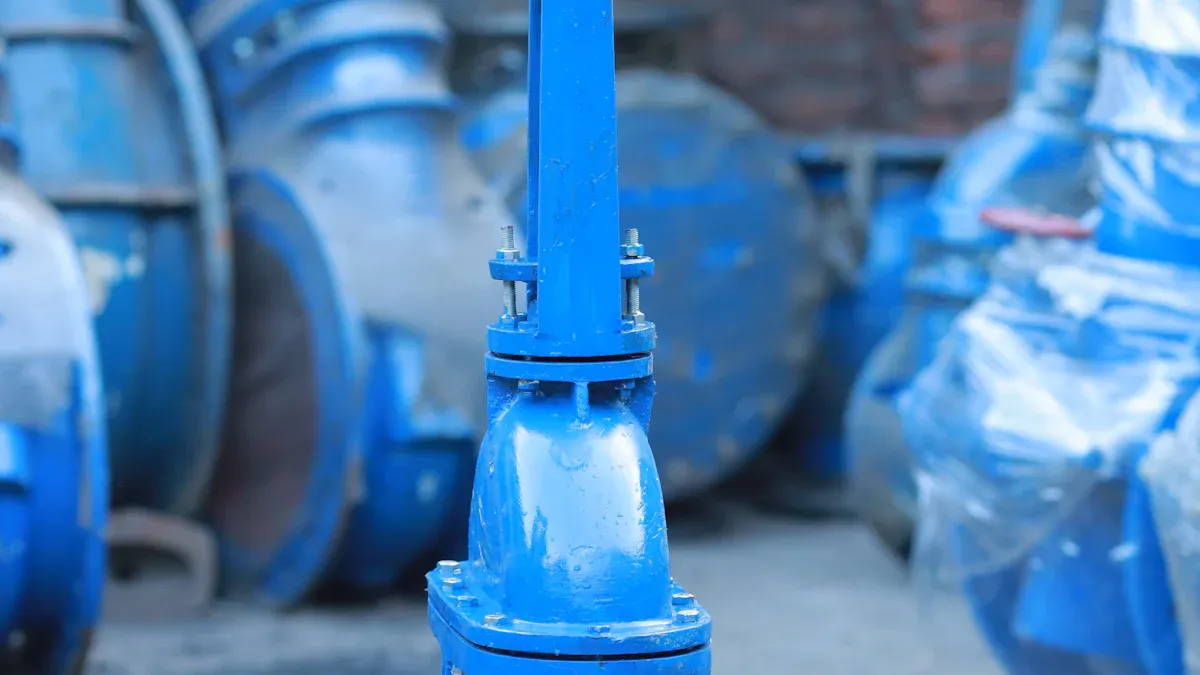
Maintaining PVC ball valves is crucial for ensuring their longevity and optimal performance, especially for industrial PVC ball valves. Regular maintenance prevents leaks and failures, which can lead to costly repairs and downtime. Neglecting PVC ball valve maintenance can result in decreased efficiency and increased replacement costs. Proper care enhances reliability and extends the lifespan of the valves, including plastic ball valves used in various applications. This is particularly important for the PVC ball valve for the chemical industry, where a malfunction can have serious repercussions. By following PVC ball valve maintenance tips, users can achieve significant savings and improve system performance.
Key Takeaways
- Conduct regular inspections to catch leaks and corrosion early, extending the life of PVC ball valves.
- Follow proper installation steps to avoid premature failures and ensure optimal performance.
- Use compatible lubricants sparingly to reduce friction and enhance valve operation without causing damage.
- Implement a cleaning routine to prevent debris buildup, ensuring smooth operation and efficiency.
- Monitor temperature and pressure regularly to maintain safe operating conditions and prevent valve failure.
Regular Inspection of PVC Ball Valves
Regular inspection of PVC ball valves plays a vital role in maintaining their functionality and extending their service life. By conducting routine checks, technicians can identify potential issues before they escalate into significant problems. This proactive approach not only enhances reliability but also reduces the risk of costly repairs.
Key benefits of regular inspections include:
- Early detection of leaks or corrosion.
- Timely maintenance and repairs.
- Significant extension of the service life of PVC ball valves.
In chemical processing facilities, specific intervals for inspections are recommended to ensure optimal performance. The following table outlines these intervals and associated tasks:
| Interval | Tasks |
|---|---|
| Daily / Weekly | Visual checks for leaks, corrosion, and damage; ensure smooth actuator movement. |
| Monthly / Quarterly | Detailed inspections including cleaning, checking bolt torque, and lubrication. |
| Semi-Annual / Annual | Comprehensive overhaul with internal inspections, seal testing, and lubrication. |
Technicians can enhance their skills through specialized training programs. For instance, the Control Valve Training System Plus by DAC Worldwide offers hands-on training focused on the design, calibration, and testing of control valves, including PVC ball valves. This program equips technicians with the knowledge necessary for effective maintenance.
Proper Installation of PVC Ball Valves
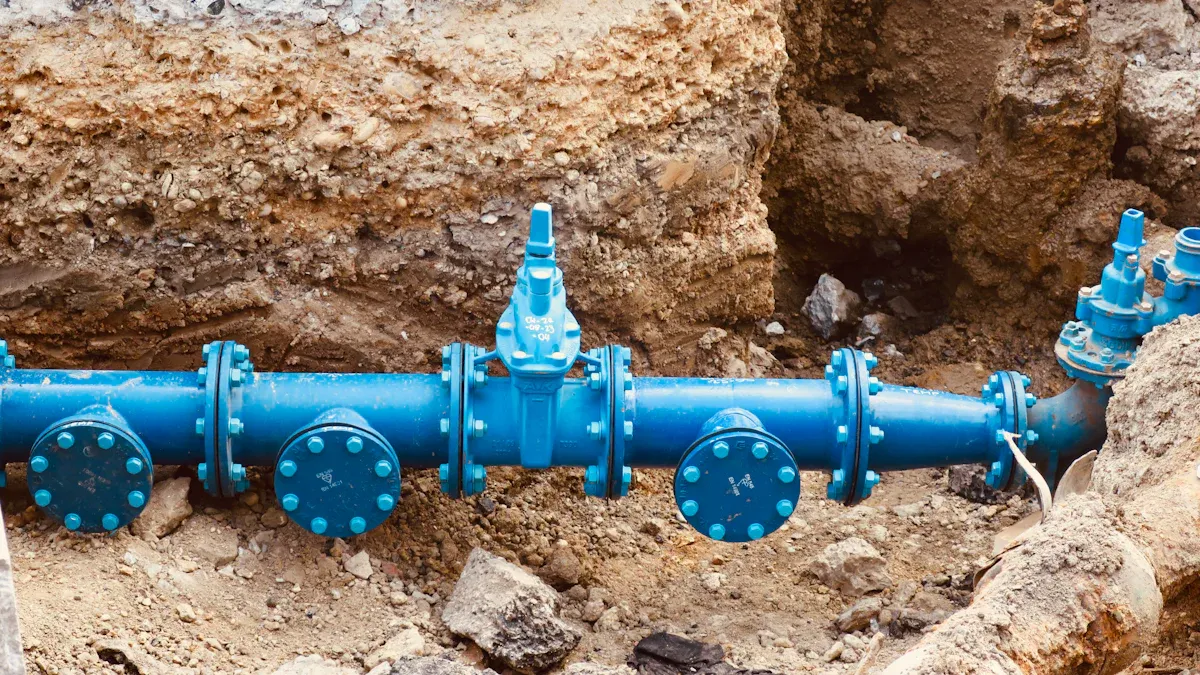
Proper installation of PVC ball valves is essential for maximizing their performance and longevity. Incorrect installation can lead to premature failures, resulting in costly repairs and downtime. To avoid these issues, technicians should adhere to industry standards during installation.
Here are key steps for proper installation:
- Prepare Pipes: Clean and remove burrs from pipe ends to prevent leakage and stress.
- Check Connections: Use solvent cement for socket connections or apply Teflon tape for threaded connections.
- Align Correctly: Most valves have arrows indicating the flow direction; ensure alignment during installation.
- Avoid Over-Tightening: Excessive force can crack the PVC body or compromise seals.
- Pressure Testing: After installation, perform a pressure test to verify leak-free operation.
- Accessibility: Install valves in accessible locations for easy operation and maintenance.
- Support Pipes: Provide adequate support to prevent undue stress on the valve body.
Neglecting these steps can lead to common installation errors. For instance, misaligned piping can cause stress around the valve body, leading to cracks or leaks. Over-tightening threaded connections may deform PVC threads, damaging sealing surfaces. Incorrect support spacing can increase wear on seals and stems due to vibration and pressure changes. Additionally, skipping system flushing allows debris to damage internal sealing surfaces, reducing valve lifespan.
By following these guidelines, technicians can ensure that PVC ball valves operate efficiently and last longer. Proper installation not only enhances performance but also minimizes the risk of future maintenance issues.
Lubrication for PVC Ball Valves
Lubrication plays a critical role in maintaining the functionality of PVC ball valves. While these valves typically do not require lubrication for standard operation, certain situations may call for it. Proper lubrication can reduce friction between moving parts, enhancing overall performance. However, technicians must exercise caution when selecting lubricants.
Using non-approved lubricants poses significant risks. These lubricants can interfere with the valve’s intended function, leading to potential damage or leakage. In fact, the application of lubricants during testing is explicitly forbidden. This highlights the importance of adhering to manufacturer guidelines when considering lubrication.
When selecting a lubricant, compatibility with PVC is paramount. The right lubricant ensures that the material does not degrade over time. Here are some key considerations regarding lubricant selection:
- The right lubricant ensures compatibility with PVC, preventing degradation.
- Proper lubrication reduces friction between moving parts, enhancing performance.
- Incompatible lubricants can cause PVC to swell, crack, or degrade.
To maintain optimal performance, technicians should follow these best practices for lubrication:
- Consult Manufacturer Guidelines: Always refer to the manufacturer’s recommendations for approved lubricants.
- Apply Sparingly: Use only the necessary amount of lubricant to avoid excess that could attract debris.
- Monitor Performance: Regularly check the valve’s operation to ensure that lubrication is effective and not causing issues.
By adhering to these practices, technicians can help ensure that PVC ball valves operate efficiently and have an extended service life.
Cleaning Procedures for PVC Ball Valves
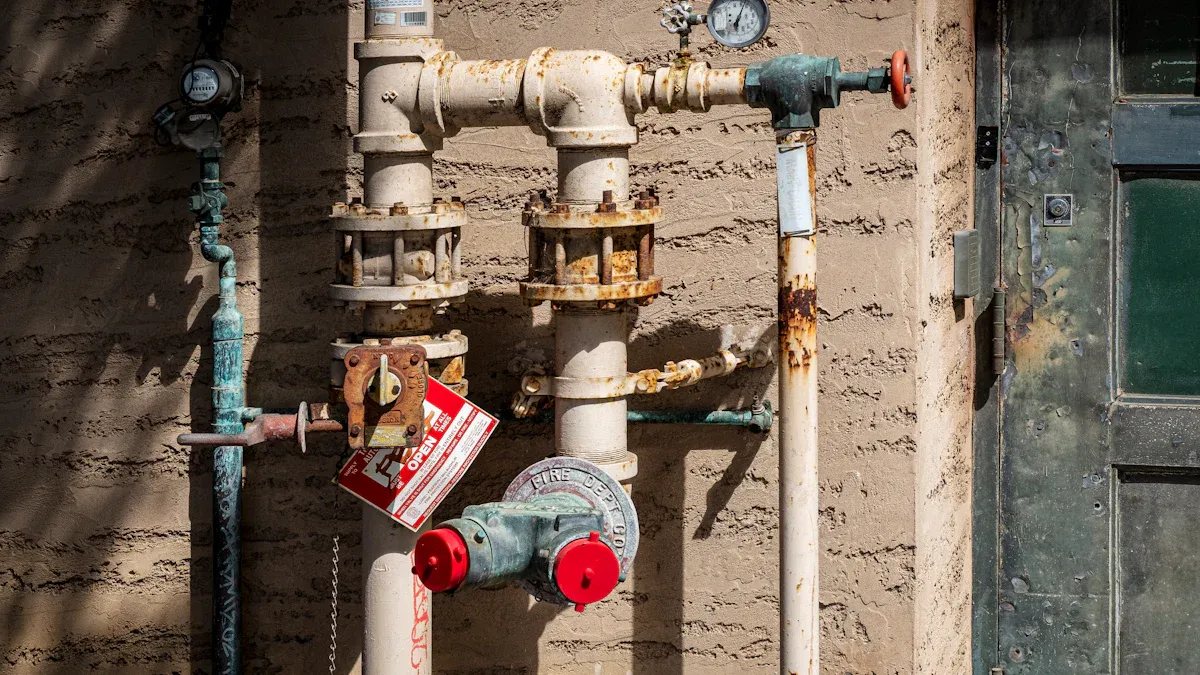
Cleaning PVC ball valves is essential for maintaining their efficiency and extending their service life. Regular cleaning prevents debris and mineral buildup, which can lead to stiffness in operation. Technicians should follow a systematic approach to ensure thorough cleaning.
Recommended Cleaning Agents
When selecting cleaning agents, it is crucial to choose those that are safe and effective for PVC ball valves. The following table outlines suitable cleaning agents:
| Cleaning Agent Type | Description |
|---|---|
| Water and Mild Detergents | Effective for light dirt; mix mild dish soap with warm water and rinse thoroughly. |
| Solvent-Based Cleaners | Best for grease and oil; avoid harsh solvents like acetone for PVC. |
| Acid-Based Cleaners | Useful for mineral deposits; vinegar for light scale, stronger acids for stubborn deposits. |
| Alkaline Cleaners | Effective for organic contaminants; less corrosive and suitable for food processing applications. |
Cleaning Frequency
The frequency of cleaning depends on the environment in which the PVC ball valves operate. In high-contamination environments, technicians should clean the valves every six months or quarterly. Under normal conditions, an annual cleaning suffices. Regular cleaning of the valve’s exterior removes dust, oil, and corrosive substances that can affect performance. Flushing the interior according to medium conditions prevents impurities from adhering, which can lead to local corrosion and operational issues.
Cleaning Procedures
- Visual Inspection: Begin with a visual inspection for any signs of wear or damage.
- Disassembly: If necessary, disassemble the valve for a thorough cleaning.
- Use Appropriate Cleaners: Apply the selected cleaning agent based on the type of contaminants present.
- Rinse Thoroughly: Ensure all cleaning agents are rinsed off completely to avoid chemical reactions.
- Reassemble and Test: After cleaning, reassemble the valve and conduct a pressure test to confirm proper operation.
By following these cleaning procedures, technicians can ensure that PVC ball valves operate smoothly and efficiently, ultimately enhancing their service life.
Temperature Management for PVC Ball Valves
Temperature management is crucial for the effective operation of PVC ball valves. These valves have a maximum recommended operating temperature of 60°C (140°F). Exceeding this limit can lead to softening, deformation, leaks, or even complete failure of the valve. Therefore, maintaining appropriate temperature levels is essential for ensuring reliability and performance.
The following table outlines how different temperature ranges affect PVC ball valves:
| Temperature Range | Effect on PVC Ball Valves |
|---|---|
| Up to 140°F (60°C) | Maximum temperature; can handle hot water at full pressure rating. |
| 120°F to 150°F | Some manufacturers specify this range for maximum continuous service. |
| Above 140°F | Causes material to soften and lose pressure resistance, leading to deformation and potential failure. |
| Below 100°F | Requires derating; high temperatures can make PVC brittle, increasing the risk of cracking and leaks. |
Temperature fluctuations can also impact the sealing performance of PVC ball valves. High temperatures may cause thermal expansion, which leads to tighter compression of the seats against the ball. While this may seem beneficial initially, it can result in excessive wear over time. Conversely, cold temperatures can cause contraction, leading to a loss of contact between the ball and the seats. This situation can result in internal leakage and potential safety hazards.
To mitigate these risks, technicians should implement the following temperature management practices:
- Monitor operating temperatures regularly to ensure they remain within the recommended range.
- Insulate valves in environments subject to extreme temperature changes.
- Consider using temperature control systems to maintain stable conditions.
By managing temperature effectively, technicians can enhance the longevity and performance of PVC ball valves, ensuring they operate efficiently in various applications.
Pressure Monitoring for PVC Ball Valves
Pressure monitoring is essential for maintaining the integrity and performance of PVC ball valves. These valves have specific pressure ratings that users must adhere to in order to prevent damage. Standard PVC ball valves are rated for a maximum pressure of 150 PSI at 73°F (23°C). However, this rating decreases as temperatures rise. Always check the manufacturer’s specifications for safe operation.
Monitoring pressure helps identify potential issues before they escalate. The most obvious sign of pressure-related damage in PVC ball valves is leaking. Leaks can occur in two main areas:
- Stem Leaks: Water or fluid seeping around the handle stem indicates worn or damaged stem packing.
- Connection Leaks: Leaks at the valve’s inlet/outlet connections often result from loose fittings or cracks in the valve body.
The following table summarizes common signs of pressure-related damage:
| Sign of Damage | Description |
|---|---|
| Deformation | The valve may warp due to exceeding temperature limits, leading to a change in shape. |
| Leaks | Major leaks can occur when the seals no longer make contact correctly due to deformation. |
To enhance pressure monitoring, technicians can utilize various technologies. Smart sensors provide real-time data on pressure, temperature, and flow rate, improving monitoring and management. Additionally, PLC and SCADA systems enable large-scale, real-time monitoring and control of valve networks, ensuring smooth operation.
Implementing effective pressure monitoring practices can significantly extend the service life of PVC ball valves. Regular checks and the use of advanced monitoring technologies help maintain optimal performance and prevent costly repairs.
Replacement of Worn Parts in PVC Ball Valves
Replacing worn parts in PVC ball valves is essential for maintaining their efficiency and preventing operational failures. Over time, components such as seals, packing, and internal parts like the ball and PTFE seats can wear out. This wear leads to leaks and reduced functionality.
Commonly Replaced Parts
The most frequently replaced parts in PVC ball valves include:
- Seals: These components can degrade, leading to leaks.
- Packing: Worn packing can cause fluid to escape around the valve stem.
- Internal Components: The ball and PTFE seats experience friction and abrasion, which can hinder performance.
Repeated operation of the valve causes friction between the ball and PTFE seats. This friction results in grooves or thinning of the PTFE seats and abrasion on the ball’s surface. Such wear contributes to operational difficulties, making timely replacements crucial.
Benefits of Timely Replacement
Addressing worn parts promptly can significantly reduce overall maintenance costs. Regular inspections help identify early signs of wear and damage. This proactive approach allows technicians to address issues before they escalate, thus minimizing potential repair costs.
| Evidence | Explanation |
|---|---|
| Regular inspections can identify early signs of wear and damage. | This helps in addressing issues before they escalate, thus reducing potential repair costs. |
| Timely replacement of worn parts prevents leaks and blockages. | By avoiding these issues, overall maintenance costs are kept lower. |
| Seasonal maintenance is crucial to prevent unexpected failures. | This proactive approach minimizes the risk of costly repairs due to environmental factors. |
By implementing a routine maintenance schedule that includes the replacement of worn parts, technicians can ensure that PVC ball valves operate efficiently and have an extended service life.
In summary, maintaining PVC ball valves involves seven essential practices:
- Regular inspections
- Proper installation
- Lubrication
- Cleaning procedures
- Temperature management
- Pressure monitoring
- Replacement of worn parts
Implementing these maintenance tips leads to significant long-term benefits. Facilities that prioritize regular maintenance experience reduced costs, fewer repairs, and extended valve lifespans. For instance, easy disassembly allows for inexpensive replacement parts instead of full valve replacements, resulting in substantial savings over time.
Regular maintenance not only enhances efficiency but also minimizes environmental impact by reducing waste and resource consumption.
By adopting these practices, technicians can ensure optimal valve performance and reliability, ultimately contributing to a more efficient and sustainable operation.
FAQ
What are PVC ball valves used for?
PVC ball valves are commonly used in plumbing, irrigation, and chemical processing. They control the flow of liquids and gases, providing reliable shut-off and regulation in various applications.
How often should I inspect PVC ball valves?
Inspect PVC ball valves regularly, ideally every six months. Frequent checks help identify leaks, corrosion, or wear, ensuring optimal performance and extending the valve’s service life.
Can I use any lubricant on PVC ball valves?
No, only use lubricants approved by the manufacturer. Incompatible lubricants can damage PVC material, leading to swelling, cracking, or leaks. Always consult guidelines before applying any lubricant.
What temperature range is safe for PVC ball valves?
PVC ball valves operate safely up to 140°F (60°C). Exceeding this temperature can cause deformation and failure. Monitor temperatures to ensure they remain within the recommended range.
How do I know when to replace parts in PVC ball valves?
Replace parts when you notice leaks, reduced performance, or visible wear. Regular inspections help identify these issues early, allowing for timely replacements and preventing further damage.


