
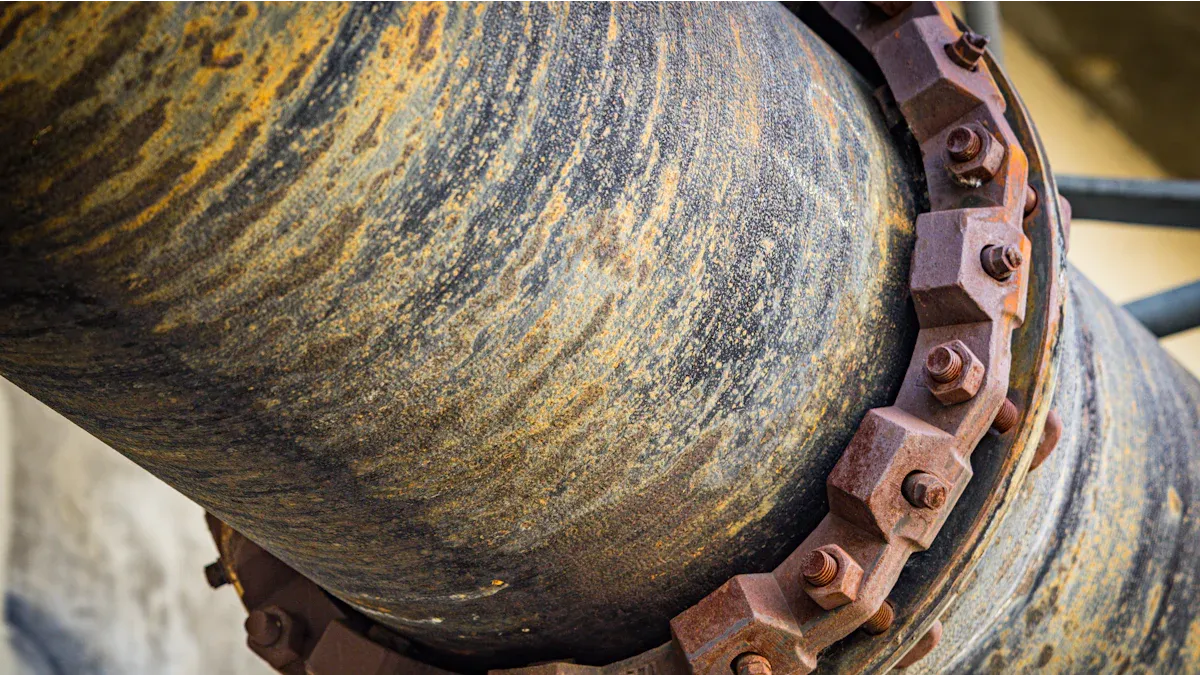
PNTEK UPVC Ball Valves excel in corrosive environments due to their advanced material properties and innovative design. These UPVC Ball Valves are corrosion resistant valves that offer exceptional durability and reliability. The chemical resistance of UPVC valves makes them ideal for handling a wide range of aggressive substances. Moreover, many industries question why is UPVC better than stainless steel for certain industrial applications? The answer lies in UPVC’s ability to withstand harsh conditions without compromising performance. Additionally, it is important to know how to evaluate the pressure rating of a UPVC ball valve to ensure optimal functionality in various applications.
Key Takeaways
- UPVC Ball Valves resist corrosion, making them ideal for handling aggressive chemicals in various industries.
- These valves have a long lifespan of 10 to 20 years, reducing the need for frequent replacements and saving costs.
- UPVC Ball Valves are energy efficient, potentially lowering energy consumption by up to 30% compared to metal valves.
- Installation is simple and requires no specialized tools, minimizing labor costs and project delays.
- Regular maintenance, such as inspections and cleaning, can prolong the valves’ lifespan and ensure optimal performance.
Corrosion Resistance of UPVC Ball Valves
Material Composition
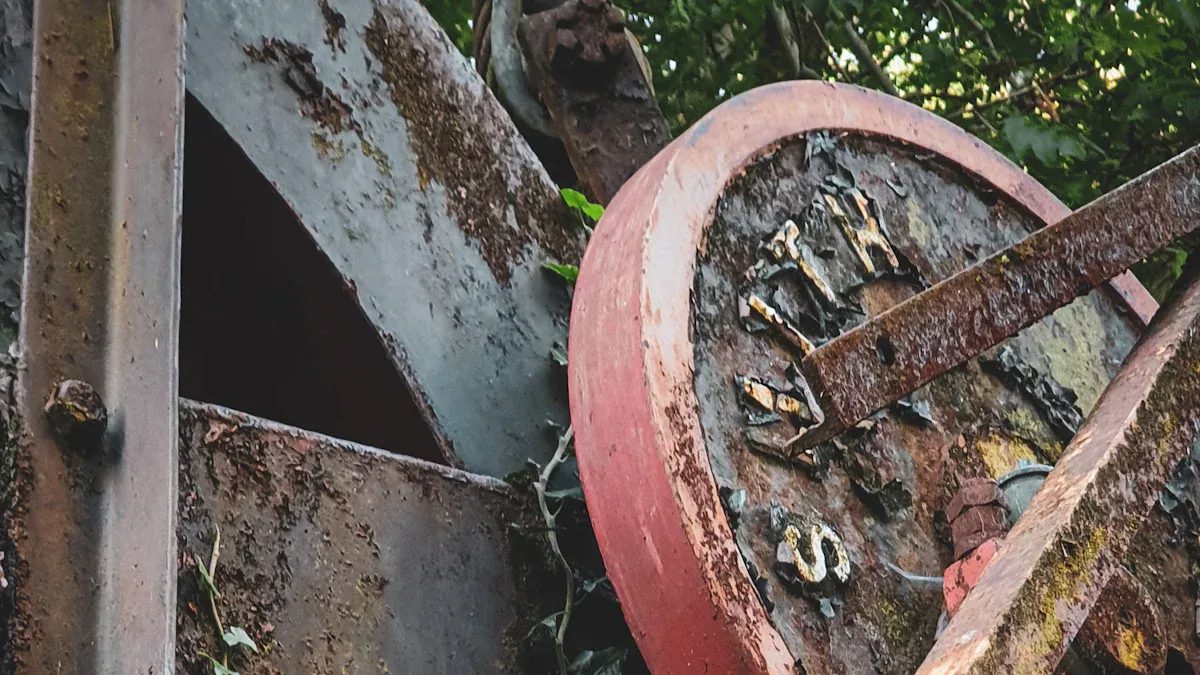
The material composition of UPVC plays a crucial role in its corrosion resistance. UPVC exhibits exceptional resistance to a wide range of chemicals, including acids, alkalis, and salts. This characteristic makes UPVC Ball Valves ideal for applications in corrosive environments. Unlike metals, UPVC does not rust or oxidize when exposed to moisture or atmospheric conditions. This property ensures that the valves maintain their integrity over time. Additionally, UPVC is formulated with UV stabilizers, allowing it to withstand prolonged exposure to sunlight without degrading.
Chemical Compatibility
UPVC Ball Valves demonstrate remarkable compatibility with various chemicals commonly found in industrial settings. They show excellent resistance to:
- A variety of acids
- Alkalis
- Chemical solvents
This compatibility allows UPVC valves to handle aggressive substances effectively, making them a preferred choice in many industries. A comparison of UPVC with other materials highlights its advantages:
| Material | Corrosive Resistance | Pressure Tolerance | Temperature Range |
|---|---|---|---|
| UPVC | High | High | -10°C to 60°C |
| PVC | Moderate | Moderate | Varies |
| CPVC | High | Moderate | Varies |
| PP | Moderate | Moderate | Varies |
UPVC’s rigid structure, free from plasticizers, contributes to its superior performance in corrosive media.
Performance Under Extreme Conditions
UPVC Ball Valves perform admirably under extreme temperature and pressure conditions. They can operate effectively at temperatures up to 60°C (140°F). Exceeding this limit may compromise their integrity. In contrast, metal valves generally withstand higher temperatures but may not offer the same level of corrosion resistance.
When it comes to pressure ratings, UPVC valves are rated for PN10 (145 PSI) or PN16 (232 PSI), adhering to ASTM D1784 and ASTM F1970 standards. This rating ensures that they can handle significant pressure without failure. Laboratory tests have confirmed that UPVC maintains its structural integrity even when immersed in corrosive substances, such as acids and alkalis. Accelerated aging tests further validate UPVC’s resistance to chemical corrosion and degradation, ensuring long-lasting performance in demanding environments.
Durability of UPVC Ball Valves
Lifespan Comparison
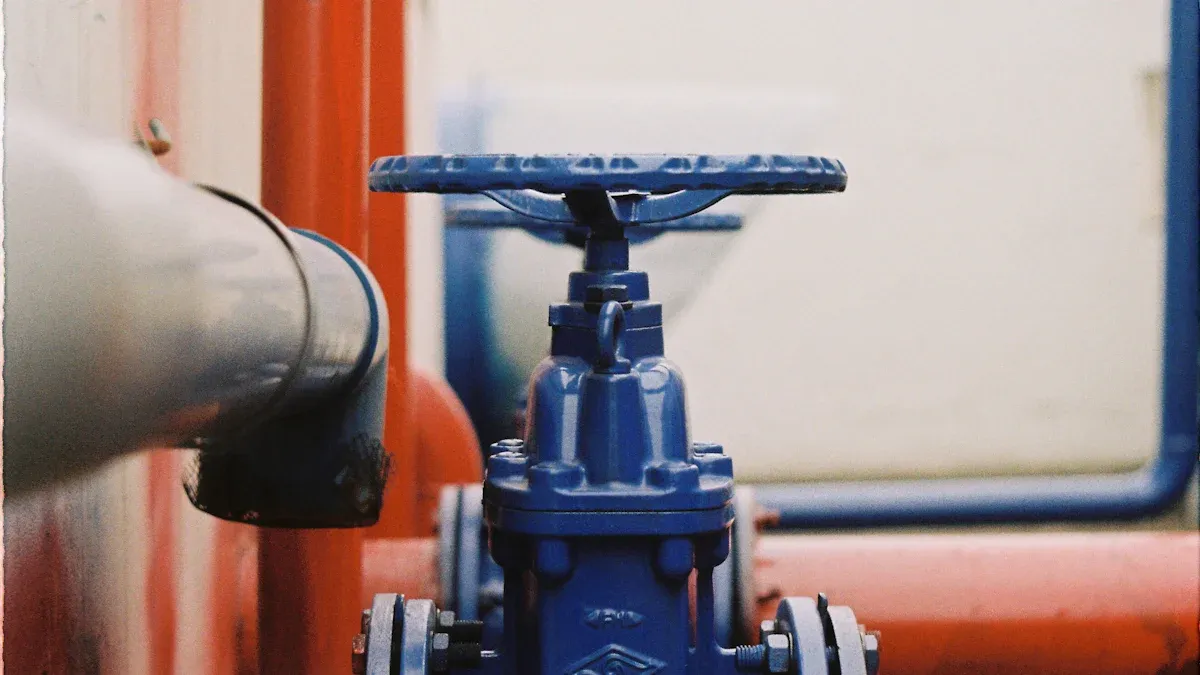
UPVC Ball Valves exhibit impressive longevity in various industrial applications. Manufacturers typically rate these valves to last between 10 to 20 years, depending on the specific type and usage conditions. The following table summarizes the typical lifespan of different UPVC ball valve types:
| Type of Valve | Typical Lifespan (Years) |
|---|---|
| Compact UPVC Ball Valve with Metal Handle | 10 to 20 |
| Compact UPVC Ball Valve with Long Handle | 10 to 20 |
| Compact UPVC Ball Valve with Short Handle | 10 to 20 |
| Two-Piece UPVC Ball Valve with Long Handle | 10 to 20 |
| Two-Piece UPVC Ball Valve with Short Handle | 10 to 20 |
| UPVC Ball Valve with Metal Handle (PP) | 10 to 20 |
| UPVC Ball Valve with Long Handle (PP) | 10 to 20 |
| UPVC Ball Valve with Short Handle (PP) | 10 to 20 |
This extended lifespan makes UPVC Ball Valves a reliable choice for industries requiring long-term performance.
Resistance to Wear and Tear
UPVC Ball Valves resist wear and tear effectively, maintaining functionality even under constant use. They perform well in both high and low-pressure environments, contributing to their durability. Key factors that enhance their resistance include:
- UPVC’s smooth surface minimizes the likelihood of scale and deposit buildup, which can obstruct flow and damage valves.
- The material’s inherent properties allow it to withstand mechanical stress without significant degradation.
To ensure optimal performance, users should follow these maintenance tips:
- Inspect for cracks, discoloration, or stiffness in the handle and replace damaged components promptly.
- Clean the valve to remove debris or buildup for smooth operation.
- Lubricate moving parts with a silicone-based lubricant to reduce friction.
Impact of Temperature Variations
Temperature fluctuations can significantly affect the structural integrity of UPVC Ball Valves. The following table outlines the impact of extreme temperatures on these valves:
| Aspect | Impact on UPVC Ball Valves |
|---|---|
| Material Integrity | Extreme temperatures can cause dimensional changes and stress the material, leading to potential fractures. |
| Thermal Expansion | Components may expand or contract at different rates, affecting alignment and sealing capabilities. |
Despite these challenges, UPVC Ball Valves maintain their performance within a temperature range of -10°C to 60°C. This range allows them to operate effectively in various environments, making them a versatile choice for many applications.
Cost-Effectiveness of UPVC Ball Valves
Initial Investment vs. Long-Term Savings
The initial investment in UPVC Ball Valves may seem significant. However, their energy efficiency leads to substantial savings over time. Facilities that switch to UPVC Ball Valves often experience a favorable return on investment due to lower maintenance expenses and enhanced durability. The long-term savings can outweigh the upfront costs, making these valves a wise choice for many applications.
Reduced Replacement Frequency
UPVC Ball Valves offer a longer lifespan compared to metal valves. Plastic valves resist rust and corrosion, contributing to their durability. According to a report from the Plastics Industry Association, PVC gate valves can last up to 25 years, while metal valves typically last around 15 years. This difference in lifespan indicates that UPVC Ball Valves require less frequent replacement, ultimately leading to lower maintenance costs.
- Key Benefits of Reduced Replacement Frequency:
- Lower overall maintenance costs.
- Fewer production shutdowns due to valve failures.
- Enhanced reliability in critical applications.
Energy Efficiency
UPVC Ball Valves contribute to energy efficiency in various systems. Their design minimizes flow resistance, which can lead to reduced energy consumption. Facilities that utilize these valves often report energy savings of up to 30% compared to metal alternatives. Additionally, the installation of UPVC Ball Valves requires less labor and time, further decreasing overall project costs. Investing in higher-quality UPVC valves can lead to significant cost savings in maintenance and replacement over time.
- Advantages of Energy Efficiency:
- Lower operational expenses.
- Improved system performance.
- Positive environmental impact through reduced energy use.
By choosing UPVC Ball Valves, industries can enjoy both immediate and long-term financial benefits, making them a cost-effective solution for corrosive environments.
Ease of Maintenance for UPVC Ball Valves
Simple Installation Process
Installing UPVC Ball Valves is straightforward, making them an attractive option for many applications. Their lightweight design simplifies handling and reduces installation time. Users can typically complete the installation without specialized tools. The valves often feature standard connections, allowing for compatibility with existing piping systems. This ease of installation minimizes labor costs and project delays.
Minimal Maintenance Requirements
UPVC Ball Valves require minimal maintenance, which enhances their appeal in various industries. Regular inspections can help identify potential issues before they escalate. Users should focus on the following maintenance practices:
- Inspect for any signs of wear or damage.
- Clean the valve to prevent buildup that could obstruct flow.
- Ensure that the valve operates smoothly without stiffness.
These simple steps can prolong the lifespan of the valves and maintain optimal performance.
Troubleshooting and Repairs
Even with their durability, users may encounter some common issues with UPVC Ball Valves. Addressing these problems promptly can prevent further deterioration. Common troubleshooting issues include:
- Leakage: This may arise from worn seal rings or scratches on sealing surfaces.
- Stiff Operation: Often caused by a tight fit between the valve stem and stuffing box or impurities causing jamming.
- Abnormal Flow: This can result from foreign matter obstructing the ball’s rotation.
For repairs, users should consider the following techniques:
- Promptly address any issues to prevent further damage.
- Use UPVC-compatible sealants or adhesives to repair cracks or leaks.
- Conduct regular inspections and cleaning to maintain functionality.
By implementing these practices, users can ensure that their UPVC Ball Valves remain reliable and efficient over time.
PNTEK UPVC Ball Valves emerge as the top choice for corrosive environments due to their outstanding features. These valves exhibit remarkable chemical resistance, effectively handling acids, alkalis, and other aggressive substances. Their long lifespan reduces replacement frequency, leading to significant cost savings and minimal disruption in operations.
Industry experts consistently rate these valves highly across various applications. For instance, James Peterson praised their flawless installation and smooth operation in water treatment plants. The following table summarizes expert ratings:
| Reviewer | Application | Rating | Key Points |
|---|---|---|---|
| James Peterson | Water Treatment Plant | ⭐⭐⭐⭐⭐ | Flawless installation, no leaks, corrosion resistance. |
| Fatima Al-Mutawa | Agricultural Irrigation | ⭐⭐⭐⭐⭐ | Perfect performance against mineral-rich groundwater. |
| David Chen | Commercial HVAC | ⭐⭐⭐⭐☆ | Strong seals, quieter than old valves. |
| Elena Rodriguez | Municipal Plumbing | ⭐⭐⭐⭐⭐ | Zero leakage, lightweight design saved labor hours. |
| Haruto Tanaka | Chemical Processing | ⭐⭐⭐⭐⭐ | Customizable, no performance degradation after 5 months. |
In summary, the combination of durability, cost-effectiveness, and ease of maintenance makes UPVC Ball Valves a reliable investment for various applications.
FAQ
What are the main advantages of UPVC Ball Valves over metal valves?
UPVC Ball Valves offer superior corrosion resistance, longer lifespan, and lower maintenance costs compared to metal valves. They also minimize flow resistance, enhancing energy efficiency in various applications.
Can UPVC Ball Valves be used in high-pressure systems?
Yes, UPVC Ball Valves are rated for PN10 (145 PSI) and PN16 (232 PSI), making them suitable for high-pressure applications. They maintain structural integrity under significant pressure.
How do I maintain UPVC Ball Valves?
Regular inspections are essential. Check for wear, clean to prevent buildup, and lubricate moving parts. These practices ensure optimal performance and extend the valve’s lifespan.
Are UPVC Ball Valves suitable for outdoor use?
Yes, UPVC Ball Valves contain UV stabilizers, allowing them to withstand prolonged exposure to sunlight without degrading. They perform well in various outdoor environments.
What industries commonly use UPVC Ball Valves?
UPVC Ball Valves are widely used in water treatment, agricultural irrigation, chemical processing, and municipal plumbing. Their versatility makes them a preferred choice across multiple sectors.


