
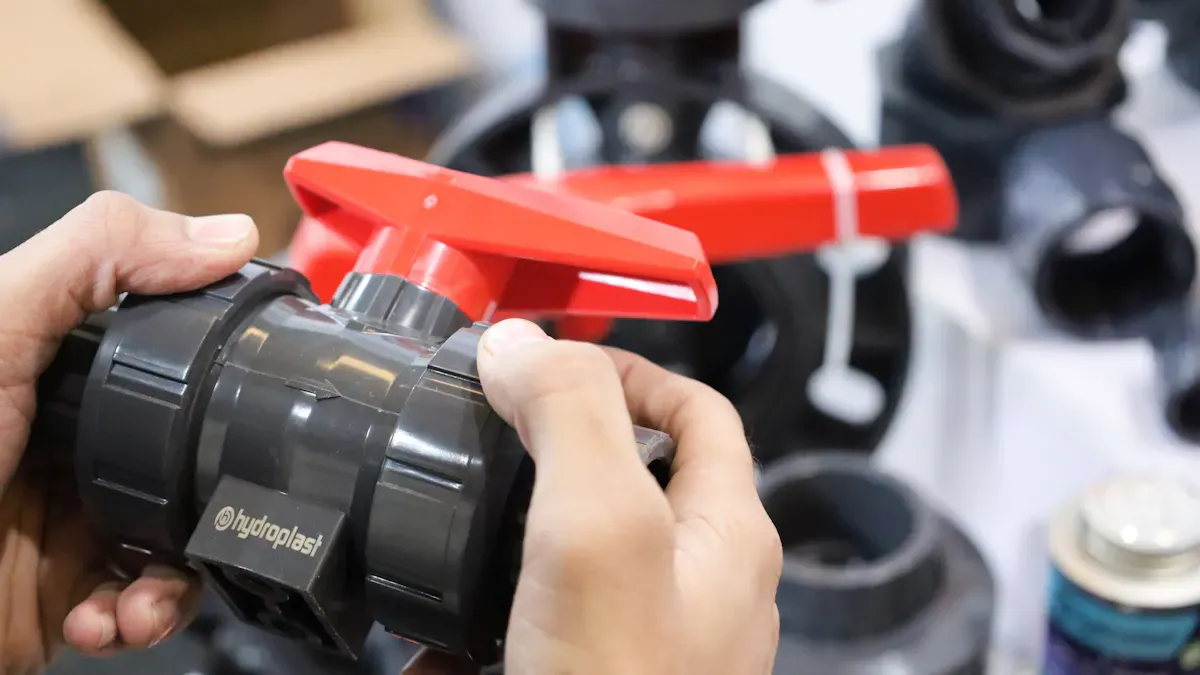
Industrial PVC ball valves offer numerous advantages over metal valves, particularly in the realm of chemical processing. Notably, these corrosion-resistant PVC ball valves are cost-effective, making them a preferred choice for many industries. The advantages of industrial PVC ball valves vs metal valves become evident in their enhanced longevity and performance in harsh environments. Additionally, when comparing PVC vs metal valves in chemical processing, the lightweight nature of these valves simplifies handling and installation, further solidifying their position as an ideal solution for various operations.
Key Takeaways
- Industrial PVC ball valves resist corrosion, making them ideal for chemical processing and harsh environments.
- Their lightweight design simplifies installation and maintenance, saving time and labor costs.
- PVC valves offer significant cost savings over time due to low initial prices and minimal maintenance needs.
Key Features of Industrial PVC Ball Valves
Corrosion Resistance
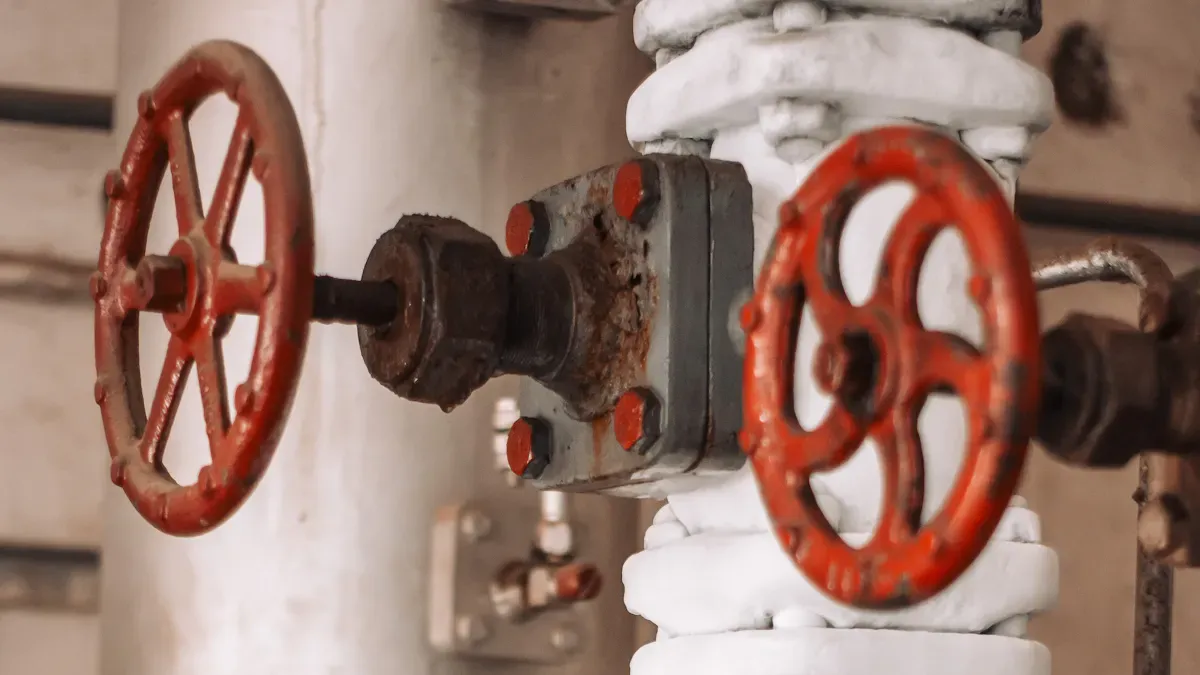
Industrial PVC ball valves excel in corrosion resistance, making them ideal for various applications. Their inert polymer structure allows them to withstand aggressive chemicals, including acids, alkalis, and saline solutions. Unlike metal valves, PVC does not undergo electrochemical corrosion, which enhances its durability in corrosive environments.
- Key Points:
- PVC valves resist rust and chemical damage.
- They remain unaffected by oxidizing and reducing agents, salts, and acids.
- Long-term corrosion resistance is validated through standardized immersion tests, such as ASTM D543, confirming their integrity in real-world conditions.
| Factor | PVC Ball Valve Performance | Comparison to Metal Valves | Lifespan Expectancy |
|---|---|---|---|
| Corrosion Resistance | Excellent – inert to most chemicals and moisture | Superior to steel, brass, and iron in corrosive environments | 25+ years |
Lightweight and Easy to Handle
The lightweight nature of industrial PVC ball valves simplifies installation and maintenance. Their construction allows for easy transport and handling, which is particularly beneficial in large-scale projects.
- Advantages:
- Simple assembly and disassembly facilitate inspection or replacement.
- Minimal cleaning and lubrication routines are required.
- Regular inspections can help detect issues early, ensuring long-term reliability.
Cost-Effectiveness
Cost savings represent a significant advantage of industrial PVC ball valves. Their low initial purchase price, combined with reduced labor costs for installation, leads to immediate financial benefits. Over their lifespan, which can exceed 50 years, PVC valves incur near-zero maintenance costs. This contrasts sharply with metal valves, which often require ongoing repairs due to corrosion.
- Cost Insights:
- Immediate savings from lower purchase prices and installation labor.
- Avoided costs of corrosion repairs and valve replacements contribute to a lower total cost of ownership.
| Maintenance Task | Typical Cost with Metal Valves | Typical Cost with PVC Valves |
|---|---|---|
| Replacing a Seized/Corroded Valve | High (e.g., $150-$300+ for parts, labor, pipe cutting) | Very Rare (only if physically damaged) |
| Repacking a Leaky Valve Stem | Moderate (e.g., $50-$100 periodically for labor and parts) | Not Needed (PVC stem seals last much longer) |
| Cleaning Debris from Corroded Valve | Moderate (labor to disassemble and clean system) | Not Needed (no internal corrosion debris) |
| Inventory Cost for Spare Valves | High (expensive to keep metal spares) | Low (inexpensive to keep PVC spares on hand) |
Versatility in Applications
Industrial PVC ball valves find applications across various industries due to their unique properties. They are particularly popular in sectors such as water treatment, chemical processing, and agriculture. Their resistance to corrosion and durability in harsh conditions make them suitable for handling a wide range of fluids.
- Common Applications:
- Water supply systems
- Chemical processing plants
- Irrigation and agricultural applications
| Industry | Application |
|---|---|
| Water Treatment Plants | Efficient fluid handling |
| Swimming Pools | Water management |
| Aquaculture Facilities | Fluid handling |
| Food Processing | Chemical processing |
| Agriculture | Irrigation and agricultural applications |
| Chemical Processing | Handling corrosive substances |
The versatility of industrial PVC ball valves ensures they meet the diverse needs of various industries, providing reliable performance and cost savings.
Key Features of Metal Valves
Strength and Durability
Metal valves exhibit significant strength and durability, making them suitable for demanding applications. Their robust construction allows them to withstand high pressures and mechanical stresses. However, it is essential to note that metal valves, particularly cast iron, can be prone to rust and corrosion over time. This susceptibility can negatively impact their long-term performance.
- Key Points:
- Metal valves are designed for high-pressure environments.
- They maintain structural integrity under mechanical stress.
- Regular maintenance is necessary to prevent rust and corrosion.
High-Temperature Resistance
Metal valves excel in high-temperature environments, outperforming PVC alternatives. Standard PVC ball valves can handle temperatures up to 140°F (60°C), while high-temperature formulations can withstand up to 176°F (80°C). In contrast, metal valves can endure much higher temperatures without losing functionality.
- Temperature Insights:
- PVC valves soften and lose pressure resistance above their maximum temperature rating.
- Metal valves remain stable and functional in extreme heat.
Suitable for High-Pressure Applications
Metal valves are preferred in high-pressure applications due to their superior pressure ratings. They can handle pressures significantly higher than PVC valves, which are limited to around 200 PSI. This makes metal valves the go-to choice for industries requiring reliable performance under extreme conditions.
| Valve Type | Pressure Rating | Temperature Tolerance | Suitability for High Pressure |
|---|---|---|---|
| Industrial PVC Ball | Up to 200 PSI | Lower than metal | Not suitable for high-pressure steam lines |
| Metal Ball | Higher than PVC | Higher than PVC | Preferred for demanding conditions |
Comparison of Industrial PVC Ball Valves and Metal Valves
Durability
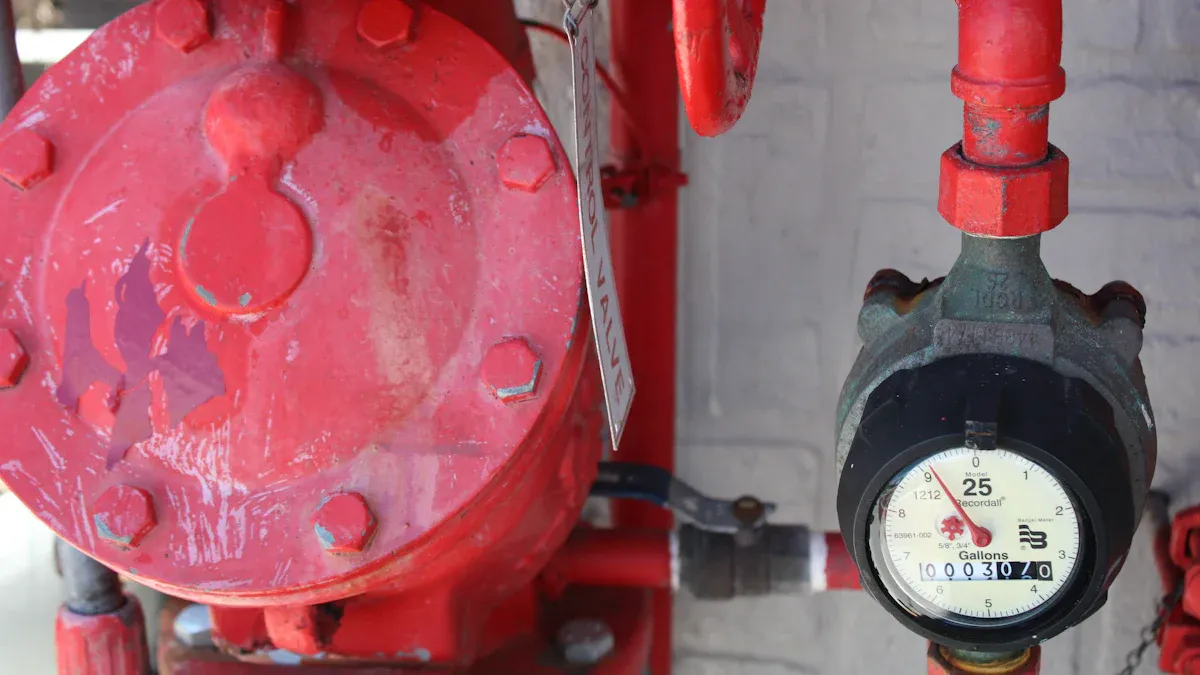
Durability plays a crucial role in selecting valves for industrial applications. Industrial PVC ball valves demonstrate remarkable durability due to their resistance to corrosion and chemical damage. Unlike metal valves, PVC valves do not corrode, scale, or seize up. This characteristic leads to reduced downtime and maintenance, making them a reliable choice for various environments.
- Key Factors Influencing Durability:
- PVC ball valves exhibit superior chemical and corrosion resistance.
- Their lightweight design allows for easier handling and installation.
- They maintain functionality in harsh conditions without significant wear.
In contrast, metal valves, while strong, can suffer from rust and corrosion over time. Regular maintenance is essential to ensure their longevity, especially in corrosive environments.
Cost
Cost considerations significantly influence the decision between industrial PVC ball valves and metal valves. PVC valves typically have a lower initial purchase price compared to their metal counterparts. Additionally, the installation costs for PVC valves are often lower due to their lightweight nature, which simplifies handling.
- Cost Comparison:
- Initial Purchase Price: PVC valves are generally more affordable.
- Installation Costs: Reduced labor costs due to lightweight design.
- Long-Term Maintenance: PVC valves incur minimal maintenance costs, while metal valves often require ongoing repairs.
Over time, the total cost of ownership for PVC valves can be significantly lower than that of metal valves, making them a cost-effective solution for many industries.
Application Suitability
When considering application suitability, both industrial PVC ball valves and metal valves have their strengths. PVC valves excel in environments where chemical resistance is paramount. They are ideal for applications involving aggressive chemicals, such as in water treatment and chemical processing.
- Common Applications for PVC Valves:
- Water supply systems
- Chemical processing plants
- Agricultural irrigation
Metal valves, on the other hand, are better suited for high-pressure and high-temperature applications. Industries that require robust performance under extreme conditions often prefer metal valves for their strength and durability.
Maintenance Requirements
Maintenance requirements differ significantly between industrial PVC ball valves and metal valves. PVC valves require minimal maintenance due to their corrosion resistance and durability. They do not need regular repacking or cleaning from corrosion debris, which simplifies upkeep.
- Maintenance Insights:
- PVC Ball Valves: Rarely require replacement or repairs unless physically damaged.
- Metal Valves: Often need regular inspections and maintenance to prevent rust and corrosion.
This difference in maintenance needs can lead to substantial savings in labor and repair costs over time, further enhancing the appeal of industrial PVC ball valves.
Industrial PVC ball valves offer significant advantages, including corrosion resistance, lightweight design, and cost-effectiveness. These features make them ideal for various applications. Readers should assess their specific needs, such as chemical compatibility and installation requirements, when choosing between PVC and metal valves.
Key Considerations:
- PVC valves resist rust and buildup, leading to better flow rates.
- They last over 50 years, minimizing waste and replacements.
- Their lightweight nature simplifies installation and reduces costs.
FAQ
What industries commonly use PVC ball valves?
Industries such as water treatment, agriculture, and chemical processing frequently utilize PVC ball valves for their corrosion resistance and versatility.
How long do PVC ball valves typically last?
PVC ball valves can last over 50 years with minimal maintenance, making them a durable choice for various applications.
Are PVC ball valves suitable for high-pressure systems?
PVC ball valves are not ideal for high-pressure systems. Metal valves are preferred for applications requiring higher pressure ratings.


