
Proper maintenance of industrial and residential piping systems is essential for preventing costly leaks and structural failures. According to a report by the
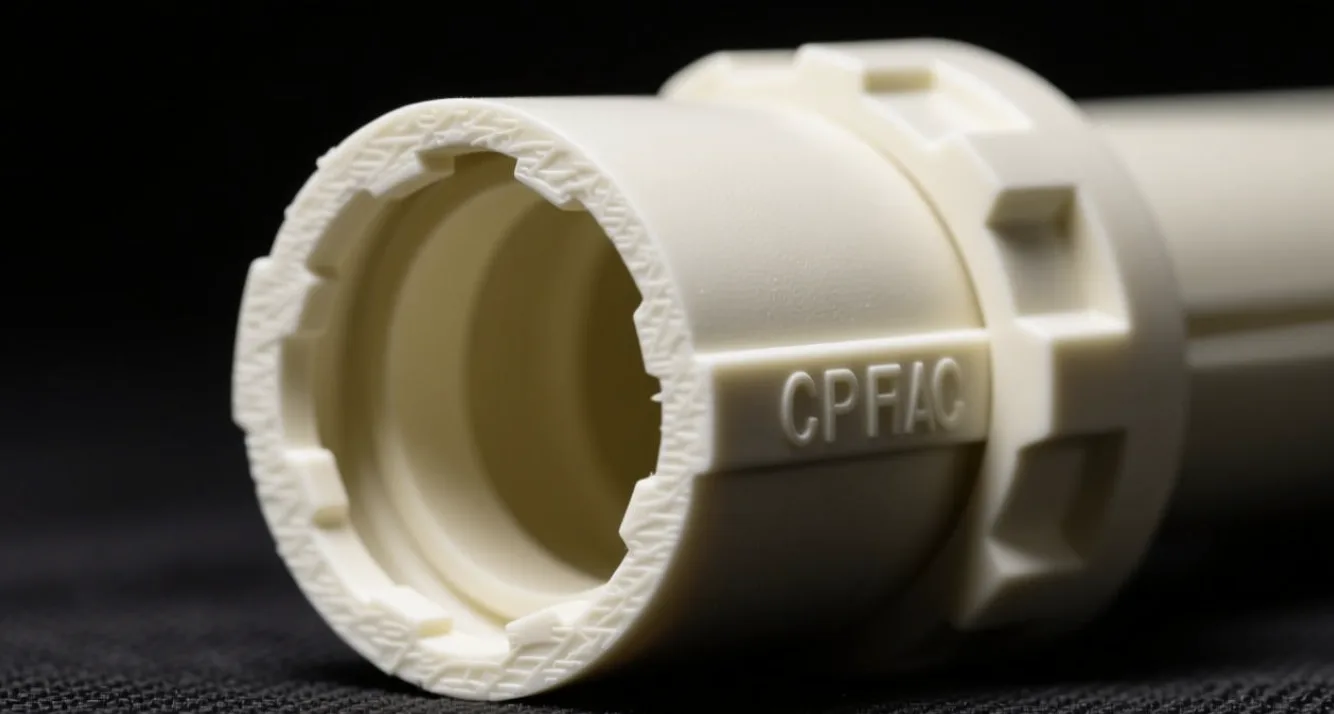
The Strategic Importance of Pipe Fitting Maintenance
Maintaining fluid conveyance components is a critical operational requirement rather than an optional service task. According to the
Energy Management Program (FEMP)
significantly lower energy consumption by preventing system friction and leaks. In systems utilizing
to “silent failures”—internal degradations that remain undetected until a catastrophic rupture occurs. Proactive care ensures that the molecular i
integrity of the polymer remains intact, protecting the facility from water damage and ensuring the purity of the transported media.
Furthermore, regular upkeep is essential for maintaining compliance with international safety and building codes. The
Plumbing and Mechanical Officials (IAPMO)
Key Benefits of Systematic Maintenance:
-
Risk Mitigation: Identifying micro-cracks in
HDPE pipe fittings -
Cost Efficiency: Preventing small drips that, according to
EPA WaterSense -
System Longevity: Shielding
PP compression pipe fittings
Technical Maintenance Protocols for Thermoplastic Fittings
Thermoplastic materials such as PVC, CPVC, and PPR are widely utilized due to their corrosion resistance and ease of installation. Data from the
abrasive, chemical-neutral agents prevents surface pitting.
| Material Type | Primary Maintenance Focus | Recommended Inspection Frequency |
| PVC Fittings | UV Protection & Solvent Weld Integrity | Semi-Annually |
| CPVC Fittings | Thermal Expansion & Hot Water Stress | Quarterly |
| PPR Fittings | Heat Fusion Joint Stability | Annually |
| HDPE Fittings | Butt Fusion & Abrasion Monitoring | Bi-Annually |
Managing Thermal Expansion in CPVC and PPR Systems
CPVC and PPR systems are frequently subjected to temperature fluctuations, which induce linear expansion and contraction. Research published
in the
the joint interface. Maintenance teams should verify that expansion loops and offsets are functioning correctly and that hangers are not over-
tightened. Using
heat cycles.
Structural Integrity of HDPE and PP Compression Fittings
HDPE (High-Density Polyethylene) and PP (Polypropylene) compression fittings are valued for their toughness and leak-proof mechanical seals.
Technical white papers from
internal O-rings, compromising the seal. Maintenance for
lubrication of elastomeric seals with silicone-based lubricants.
Key Maintenance Steps for HDPE Systems
-
Visual Scans: Detect surface gouges that exceed 10% of the wall thickness.
-
Joint Assessment: Ensure butt-fusion beads are uniform and free of contamination.
-
Debris Removal: Clear sediments near
HDPE pipe fittings
Chemical Compatibility and Scale Prevention in PVC Fittings
PVC is the most common material for drainage and cold-water applications, but it remains sensitive to certain organic solvents and oils. The
pipe joints. For
| Cleaning Agent | Compatibility with PVC/CPVC | Effect on Service Life |
| Citric Acid (Diluted) | High | Beneficial (Removes Scale) |
| Petroleum-based oils | Very Low | Damaging (Causes Swelling) |
| Silicone Lubricant | High | Beneficial (Protects Seals) |
Environmental and Operational Stress Factors
Environmental conditions such as soil acidity and ambient temperature significantly influence the lifespan of buried fittings. According to the
FAQ
How long do PVC and CPVC pipe fittings typically last?
Standard PVC and CPVC fittings have a design life of 50 years under ideal conditions. However, constant high-pressure surges, extreme UV exposure, and water hammer can shorten this lifespan to approximately 20 years without proper protection and maintenance.
What causes PPR pipe fittings to leak after installation?
Leaks usually result from “cold joints” during heat fusion, where the parts were under-heated or moved before cooling. Maintenance involves checking for uneven fusion beads and using thermography to find weak bonds before they fail under system pressure.
Can you reuse PP compression fittings after disassembly?
Yes, these fittings are reusable. During maintenance, you must inspect the internal O-ring and split ring for wear or deformation. If the O-ring is flattened or cracked, it must be replaced to maintain a reliable, watertight seal.
How do I prevent “Water Hammer” from damaging my pipe fittings?
Install water hammer arrestors or air chambers to absorb shockwaves. Additionally, ensure all fittings are secured with cushioned pipe clamps to reduce vibration. This prevents mechanical fatigue and potential joint cracking caused by sudden pressure changes.
What is the best way to clean HDPE pipe fittings?
Use high-pressure water or mild, non-abrasive detergents. Avoid metal scrapers or wire brushes that can scratch the HDPE surface. These scratches act as stress points that can eventually lead to slow-growth cracks under long-term operational tension.


