
Properly tightening pipe fittings is essential for leak prevention, pressure safety, and long service life. The correct method is not “tighten as hard as possible.” The correct method is to match the fitting material, thread standard, sealing type, and recommended torque. Over-tightening can crack plastic fittings, distort threads, and damage valves. Under-tightening can cause leakage, vibration loosening, and pressure loss.
Pipe fitting installation is used in water supply, irrigation, chemical handling, HVAC, and compressed air systems. According to the National Institute of Standards and Technology (NIST), dimensional accuracy and proper assembly are critical in mechanical connections. The same principle applies to threaded and compression fittings. Buyers often compare PVC pipe fittings, threaded PVC fittings, PVC union fitting, plastic pipe connector, PVC male adapter, and female threaded coupling.
Why Correct Pipe Fitting Tightening Matters
A pipe fitting creates a mechanical seal between pipe sections, valves, pumps, or equipment ports. If tightening force is incorrect, the sealing surface may fail even when the fitting looks secure.
Correct tightening provides these benefits:
Leak-free operation
Stable pressure performance
Lower maintenance cost
Longer fitting lifespan
Easier future disassembly
The Occupational Safety and Health Administration (OSHA) emphasizes safe handling of pressurized systems. A leaking or burst connection can create slip, chemical, or impact hazards.
| Tightening Result | Too Loose | Correct | Too Tight |
|---|---|---|---|
|
Leak Risk |
High |
Low |
Medium |
|
Thread Damage |
Low |
Low |
High |
|
Future Removal |
Easy |
Normal |
Difficult |
|
Seal Life |
Poor |
Good |
Poor |
How to Tighten Threaded Pipe Fittings Correctly
Threaded fittings such as NPT, BSPT, or BSPP require a controlled installation sequence. Start by identifying the thread standard. Mismatched threads may tighten partially but fail under pressure.
Standard Tightening Process
-
Inspect threads for cracks or debris
-
Clean male and female threads
-
Apply PTFE tape or sealant if required
-
Hand-tighten first to avoid cross-threading
-
Use a wrench for final turns
-
Pressure test after installation
The International Organization for Standardization (ISO) supports standardized thread systems used across industrial piping sectors.
Never force a fitting that binds early during hand threading.
How Tight Should PVC Pipe Fittings Be?
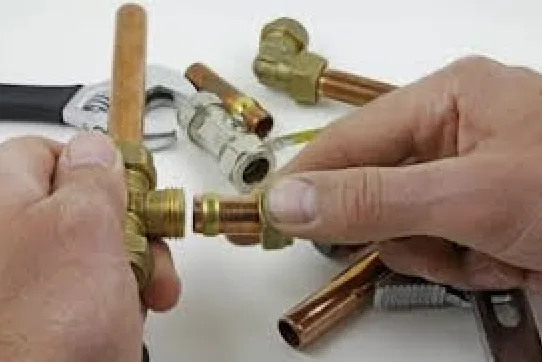
PVC threaded fittings require extra care because plastic threads are more sensitive than metal threads. Excessive torque can split the female socket or deform the male adapter.
General PVC Tightening Rule
Hand tighten first, then add approximately 1 to 2 wrench turns depending on size, thread condition, and manufacturer guidance. Exact values vary by product design.
| Fitting Material | Tightening Sensitivity | Main Risk |
|---|---|---|
|
PVC |
High |
Cracking |
|
CPVC |
High |
Stress fracture |
|
Brass |
Medium |
Galling |
|
Stainless Steel |
Medium |
Thread seizure |
Many installers use PVC threaded adapter fittings with PTFE tape to reduce installation force.
The U.S. Environmental Protection Agency (EPA) references durable water infrastructure practices where proper assembly contributes to reliable system life.
How to Tighten Compression Pipe Fittings
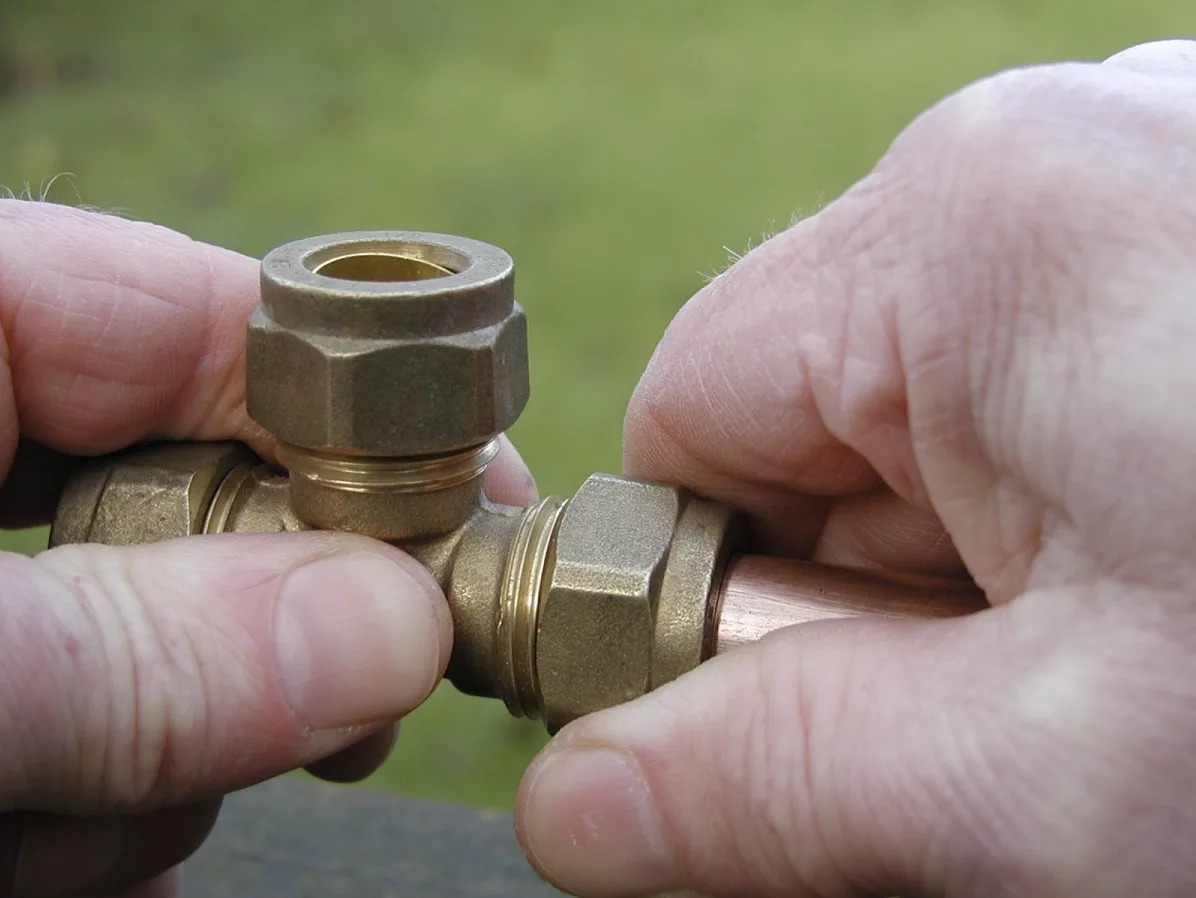
Compression fittings use a nut, ferrule, and body instead of tapered thread sealing. Tightening compresses the ferrule onto the tube surface.
Compression Fitting Method
-
Cut tubing squarely
-
Deburr tube edge
-
Insert tube fully into fitting body
-
Finger-tighten nut
-
Tighten with wrench to specified turns or torque
-
Test under pressure
Compression fittings are common in water filters, instrumentation lines, and appliance connections.
Many maintenance teams source plastic compression fittings for corrosion-resistant systems.
Common Pipe Fitting Tightening Mistakes
Most leaks come from avoidable installation errors rather than defective fittings.
Frequent Mistakes
-
Cross-threading male into female fitting
-
Using too much PTFE tape
-
Applying sealant on compression ferrules
-
Over-tightening plastic fittings
-
Mixing NPT with BSP threads
-
Using damaged wrench jaws
The NIOSH workplace safety resources note that maintenance errors can create preventable hazards. Good assembly practice reduces rework and downtime.
| Mistake | Likely Outcome | Better Practice |
|---|---|---|
|
Cross-threading |
Permanent damage |
Hand-start threads |
|
Over-tightening |
Cracks or distortion |
Controlled turns |
|
Wrong thread type |
Leakage |
Verify standard |
|
Dirty threads |
Poor seal |
Clean before install |
Tools for Tightening Pipe Fittings Safely
Correct tools improve consistency. Avoid using pliers on finished fittings because surface damage can weaken parts.
Recommended Tools
-
Adjustable wrench
-
Pipe wrench for metal pipe
-
Strap wrench for plastic fittings
-
Torque wrench for specified systems
-
Thread gauge for identification
A strap wrench is often safer for PVC union fittings because it reduces localized jaw damage.
The U.S. Department of Energy notes that leaks in fluid and air systems can increase operating cost. Proper tightening helps reduce waste.
How to Check if a Pipe Fitting Is Tight Enough
After assembly, run a controlled pressure or water test. Visual inspection alone is not enough.
Verification Checklist
-
No seepage at joint
-
No thread exposure change during pressure rise
-
No vibration movement
-
Stable pressure reading
-
No cracking sounds in plastic fittings
If leakage appears, depressurize the system before adjustment.
Many installers choose PVC union connector designs where frequent removal is expected.
Best Practices for Long-Term Pipe Fitting Reliability
Use matching standards, clean threads, proper sealants, and moderate tightening force. Replace worn fittings instead of forcing damaged parts back into service.
Key conclusions include:
Hand-tighten first
Use correct tool second
Add controlled wrench turns third
Pressure test fourth
Reinspect after startup fifth
These steps prevent most field failures.
For serviceable piping networks, many users prefer threaded plastic fittings that allow easy replacement.
FAQ
1. How tight should a threaded pipe fitting be?
Tight enough to seal without damaging the threads. Hand-tighten first, then use a wrench for additional turns based on fitting type and manufacturer guidance. Avoid forcing the connection.
2. Can over-tightening cause leaks?
Yes. Over-tightening can crack PVC fittings, distort sealing faces, or damage threads. A damaged fitting may leak immediately or fail later under pressure.
3. Should PTFE tape be used on every pipe fitting?
No. PTFE tape is common on tapered threaded joints. Compression fittings, gasket unions, and O-ring connections usually do not need thread tape on sealing surfaces.
4. Why does a fitting leak after tightening?
Possible causes include wrong thread standard, cracked fitting, cross-threading, insufficient sealant, or dirt on threads. Tightening harder does not always solve the problem.
5. What tool is best for tightening plastic pipe fittings?
A strap wrench is often preferred because it spreads force and reduces tooth marks. Metal pipe wrenches may damage plastic surfaces if used aggressively.


