
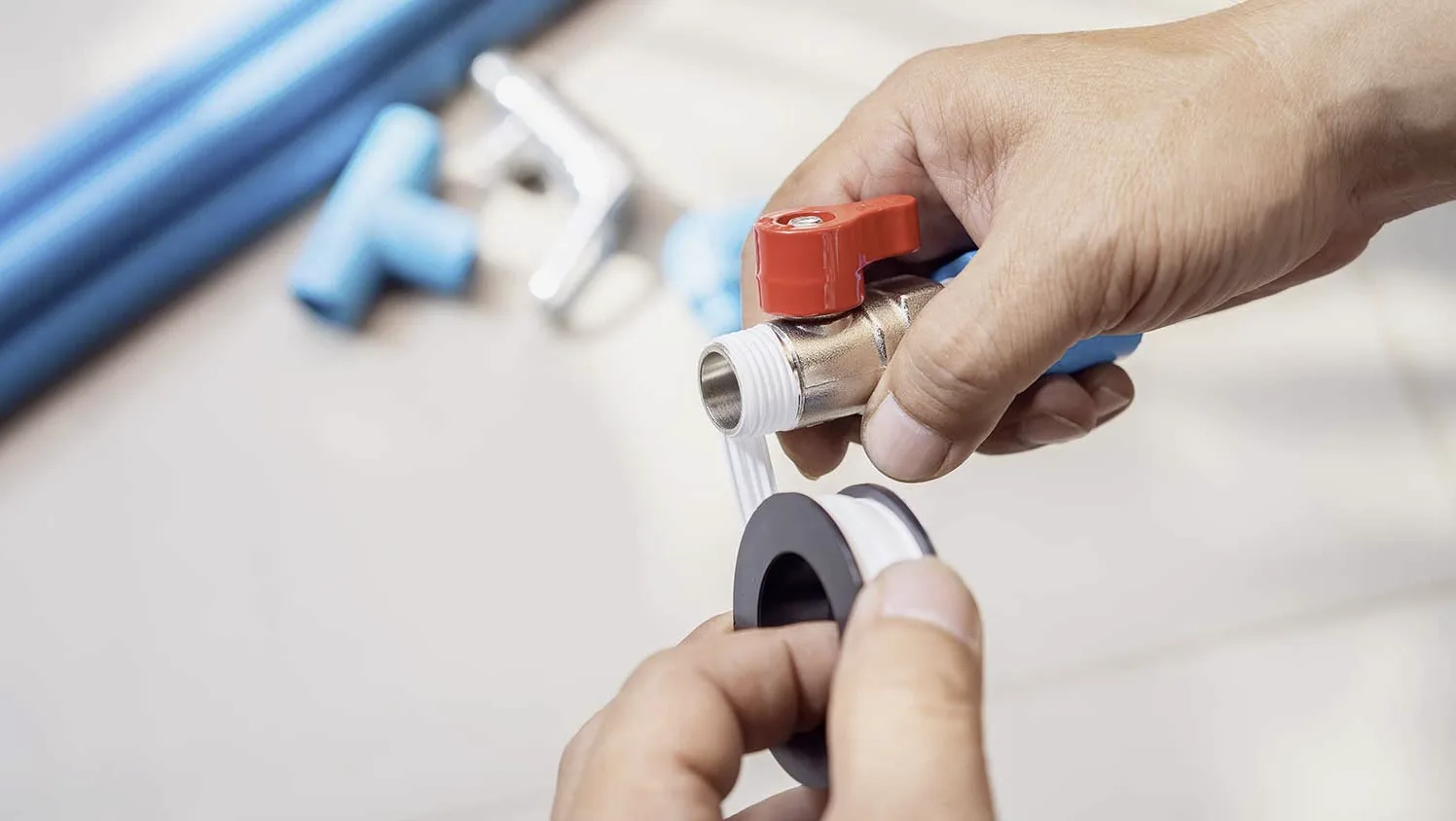
Threading pipe fittings means creating or assembling threaded connections so pipes, valves, elbows, tees, and adapters can join securely. The correct process includes choosing the right thread standard, preparing clean threads, applying suitable sealant, hand-starting the connection, tightening correctly, and pressure testing afterward. Proper threading prevents leaks, avoids cross-thread damage, and improves long-term system reliability.
Threaded pipe fittings are widely used in water supply, irrigation, chemical transfer, compressed air, and industrial utility systems. According to the National Institute of Standards and Technology (NIST), dimensional compatibility and thread accuracy are critical for mechanical joints. This principle directly applies to pipe fittings. Buyers often compare PVC threaded fittings, PVC male adapter, female threaded coupling, PVC union fitting, plastic pipe connector, and irrigation pipe fittings.
What Does Threading Pipe Fittings Mean?
Threading pipe fittings can refer to two activities
Manufacturing threads on pipe ends or fittings using dies, taps, or machines
Connecting threaded fittings during installation by screwing male and female threads together
In field installation, most users mean assembling pre-threaded fittings. In fabrication shops, threading often means cutting new threads on steel or metal pipe.
| Threading Task | Typical User | Main Purpose |
|---|---|---|
|
Cut New Threads |
Fabricator |
Prepare custom pipe |
|
Assemble Fittings |
Installer |
Build piping system |
|
Repair Threads |
Maintenance Team |
Restore connection |
The Occupational Safety and Health Administration (OSHA) recommends safe tool use and pressure-system maintenance, which includes proper pipe connection practices.
Common Pipe Thread Standards Before Installation
Before threading pipe fittings together, confirm the thread type. Matching gender alone is not enough. The standard, pitch, taper, and size must also match.
Main Global Thread Standards
-
NPT – National Pipe Taper, common in North America
-
BSPT – British Standard Pipe Taper
-
BSPP – British Standard Pipe Parallel
-
Metric Thread – common in some machinery systems
Using an NPT male fitting with a BSP female fitting often causes leaks or damaged threads.
| Standard | Shape | Typical Region |
|---|---|---|
|
NPT |
Tapered |
USA / Canada |
|
BSPT |
Tapered |
UK / Asia |
|
BSPP |
Parallel |
Global equipment ports |
|
Metric |
Straight |
Machinery |
The International Organization for Standardization (ISO) supports technical standards widely used in piping industries.
How to Thread Pipe Fittings Step by Step
Correct installation follows a repeatable process. Rushing often causes cross-threading or overtightening.
Standard Pipe Fitting Threading Method
-
Inspect male and female threads for cracks or dirt
-
Clean thread surfaces with cloth or brush
-
Apply PTFE tape or approved sealant if required
-
Align the fitting straight to the port
-
Hand-thread clockwise for several turns
-
Use a wrench for final tightening
-
Pressure test after assembly
Hand-threading first is critical. If resistance occurs immediately, stop and realign.
Many installers use PVC threaded adapter products because plastic fittings are lightweight and corrosion resistant.
How to Thread PVC Pipe Fittings Safely?
PVC threaded fittings require lower torque than metal fittings. Excess force can crack sockets or distort threads. PVC fittings should never be forced into misaligned metal ports.
Best Practice for PVC Threading
-
Use PTFE tape sparingly
-
Hand-start carefully
-
Tighten gradually
-
Stop when sealed and aligned
-
Avoid large pipe wrenches on thin plastic bodies
| Material | Threading Risk | Best Tool |
|---|---|---|
|
PVC |
Cracking |
Strap wrench |
|
CPVC |
Stress damage |
Strap wrench |
|
Brass |
Galling |
Adjustable wrench |
|
Stainless Steel |
Seizure |
Lubricated assembly |
The U.S. Environmental Protection Agency (EPA) often references durable water infrastructure practices where correct assembly supports service life.
Many water systems use PVC female threaded coupling parts for valve connections.
Tools Used to Thread Pipe Fittings
The right tool improves alignment and prevents thread damage.
Recommended Installation Tools
-
Adjustable wrench
-
Strap wrench for plastic fittings
-
Pipe wrench for metal pipe
-
Thread gauge
-
PTFE tape cutter or utility knife
-
Torque wrench for specified systems
For manufacturing new threads on steel pipe, technicians may use pipe threaders, dies, and tapping machines.
The U.S. Department of Energy notes that leaks in utility systems increase operating costs. Correct threaded assembly helps reduce water and air losses.
Common Pipe Fitting Threading Mistakes
Most failures are preventable.
Frequent Errors
-
Cross-threading at the first turn
-
Mixing NPT and BSP threads
-
Overusing seal tape
-
Over-tightening PVC fittings
-
Installing dirty or damaged threads
-
Using wrong fitting size
| Mistake | Result | Prevention |
|---|---|---|
|
Cross-threading |
Permanent damage |
Hand-start first |
|
Wrong standard |
Leakage |
Verify thread type |
|
Too much torque |
Cracks |
Controlled tightening |
|
Dirty threads |
Poor seal |
Clean surfaces |
The NIOSH safety resources highlight maintenance quality and prevention of avoidable mechanical hazards.
How to Check a Properly Threaded Pipe Fitting?
After installation, confirm the joint before full operation.
Inspection Checklist
-
Threads entered smoothly during hand start
-
Fitting sits squarely with no tilt
-
No visible cracking on plastic body
-
Pressure test shows no seepage
-
No movement during vibration or startup
Systems with frequent maintenance often use PVC union connector designs because unions allow fast removal without rethreading long pipe sections.
Best Applications for Threaded Plastic Pipe Fittings
Threaded plastic fittings are common where corrosion resistance matters.
Typical Uses
-
Irrigation systems
-
Pool plumbing
-
Water filtration skids
-
Chemical dosing lines
-
Light industrial water systems
Many users select threaded plastic fittings for low-maintenance installations.
Key conclusion: threaded pipe fittings work best when thread type, alignment, sealant, and tightening force are all matched correctly.
FAQ
1. What does threading pipe fittings mean?
It can mean cutting threads onto pipe ends or assembling threaded male and female fittings together. In most installation work, it means connecting pre-threaded components.
2. How do I avoid cross-threading a pipe fitting?
Start by hand only. If the fitting does not turn smoothly in the first few rotations, stop immediately, remove it, and realign the connection.
3. Do PVC threaded fittings need thread tape?
Many tapered PVC threaded joints use PTFE tape or compatible sealant. Follow the fitting design and manufacturer recommendations.
4. Can NPT and BSP threads be connected together?
Usually no. NPT and BSP have different thread geometry. Forced assembly may damage threads and cause leakage.
5. Why does a threaded fitting leak after installation?
Common causes include wrong thread standard, cracked fitting, poor sealant application, overtightening, dirt on threads, or insufficient tightening.


