
Introduction
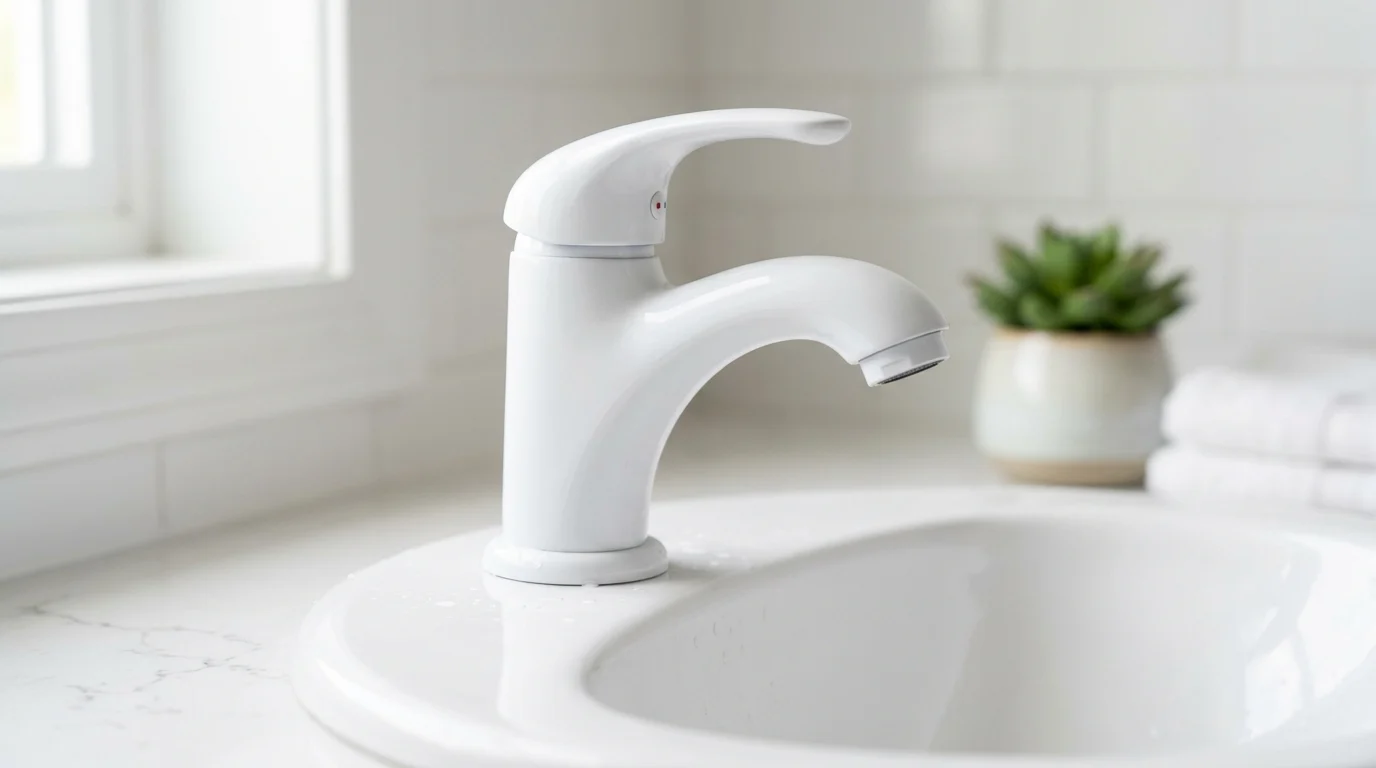
Plastic faucets are becoming a practical option in home plumbing, especially where cost, corrosion resistance, and easy installation matter. Modern polymer materials have improved enough to handle many everyday residential water demands, making them more than just a budget alternative to metal fixtures. This guide explains what plastic faucets are, where they work best, and how they compare with brass or stainless steel in durability, maintenance, and performance. By the end, you’ll have a clear foundation for judging whether a plastic faucet fits your plumbing system and what features to check before choosing one.
Why Plastic Faucets for Home Plumbing Are Gaining Attention
The residential plumbing sector is undergoing a significant material shift, moving away from an exclusive reliance on traditional metals toward advanced engineered polymers. While brass and stainless steel have historically dominated the market, plastic faucets for home plumbing are capturing substantial market share. This transition is driven by advancements in polymer science, which have yielded materials capable of withstanding the rigorous thermal and pressure demands of modern water distribution networks without the inherent vulnerabilities of metal alloys.
Cost, corrosion resistance, and installation speed
The primary catalysts for polymer adoption are raw material economics and logistical efficiency. Commodity and engineering plastics, such as Acrylonitrile Butadiene Styrene (ABS) and Polyoxymethylene (POM), are typically 30% to 50% less expensive per unit volume than standard plumbing brass. This cost differential extends beyond manufacturing; polymer fixtures weigh approximately 60% less than their metal counterparts, yielding up to a 40% reduction in freight and shipping costs.
Furthermore, plastic plumbing components exhibit absolute immunity to galvanic corrosion and dezincification. In environments with aggressive water chemistry, metal fixtures degrade over time, leading to leaks and heavy metal leaching. Polymer faucets bypass this issue entirely. Installation speed is also drastically improved, as many plastic faucets utilize precision-molded threads and quick-connect fittings that require hand-tightening rather than heavy wrenches, reducing labor time and the risk of overtightening.
Where plastic faucets are most viable
Plastic faucets demonstrate maximum viability in environments where water chemistry is hostile to metal. Coastal properties with high atmospheric salinity and regions with hard water or low pH levels benefit immensely from the non-reactive nature of polymers. Additionally, these fixtures are the industry standard for Point-of-Use (POU) reverse osmosis (RO) systems.
Because RO purification removes all minerals, the resulting water acts as an aggressive solvent that can leach lead and copper from standard brass fixtures. In systems where Total Dissolved Solids (TDS) drop below 50 ppm, utilizing a POM or high-density polyethylene (HDPE) faucet is a functional necessity to maintain water purity and prevent rapid internal degradation of the fixture.
What Defines Plastic Faucets for Home Plumbing
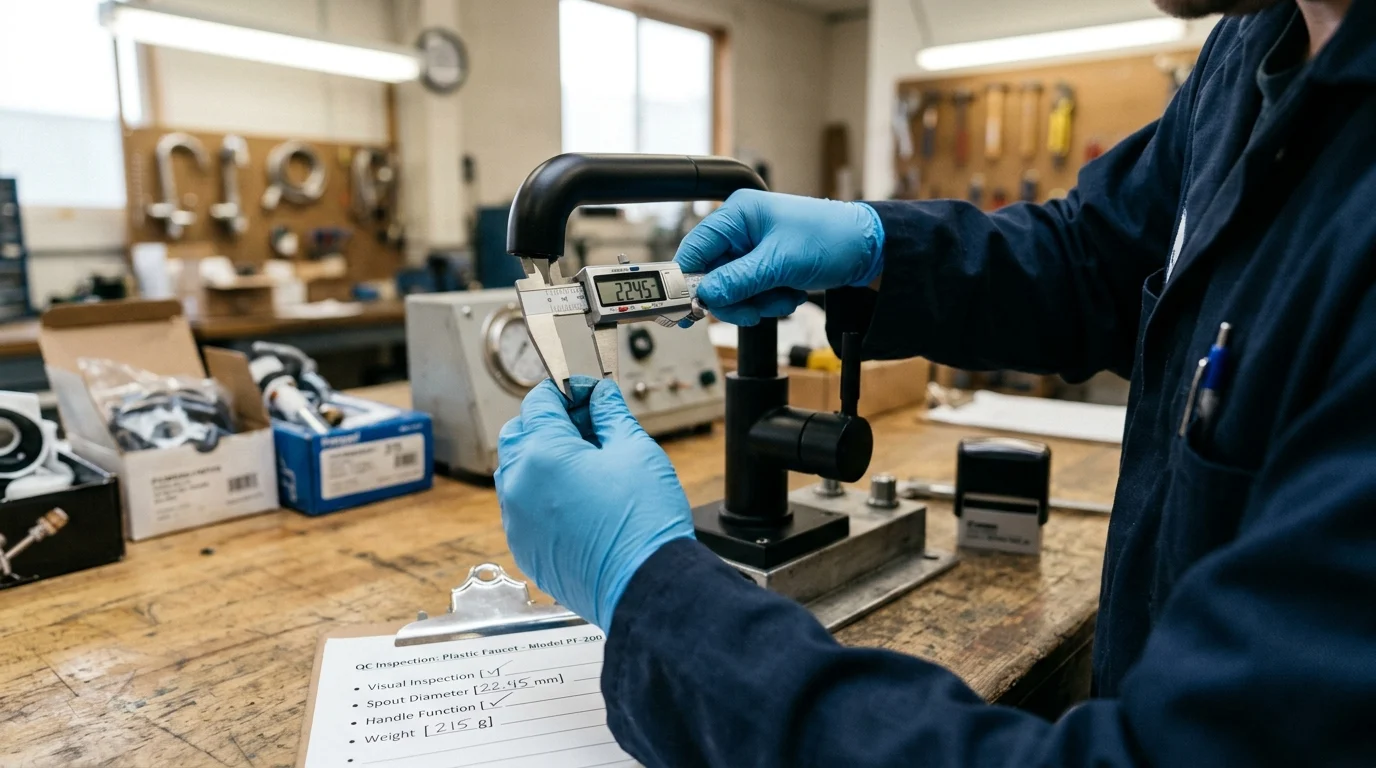
Defining a modern plastic faucet requires looking beyond the generic term "plastic" to understand the specific engineering polymers utilized in its construction. Contemporary fixtures are highly engineered composite assemblies, utilizing distinct polymer families tailored for structural integrity, thermal resistance, and tribological performance.
Common polymers and internal components
The external architecture of a plastic faucet—including the spout, escutcheon, and handles—is predominantly injection-molded from ABS due to its excellent impact resistance, surface finish capabilities, and receptivity to electroplating. However, the critical internal components rely on specialized engineering plastics.
The valve body and internal cartridge housings are typically manufactured from POM (Acetal). POM provides high dimensional stability, low friction, and exceptional fatigue resistance, making it ideal for moving parts. Inside these POM cartridges, manufacturers utilize aluminum oxide ceramic discs capable of enduring over 500,000 actuation cycles, ensuring a drip-free seal that matches the lifecycle of premium brass fixtures.
| Polymer Type | Max Operating Temp | Tensile Strength | Primary Faucet Application |
|---|---|---|---|
| ABS | 140°F (60°C) | 40-50 MPa | External housings, handles, decorative shells |
| POM (Acetal) | 180°F (82°C) | 60-70 MPa | Internal valve bodies, cartridges, gears |
| CPVC | 200°F (93°C) | 55 MPa | High-temperature fluid pathways, shanks |
| PP (Polypropylene) | 170°F (76°C) | 30-40 MPa | Under-sink connections, RO system tubing |
Pressure and temperature performance
A common misconception regarding polymer plumbing fixtures is a lack of pressure tolerance. Standard residential plumbing systems operate at a static pressure of 40 to 80 psi (pounds per square inch). High-quality plastic faucets are engineered and tested to withstand burst pressures exceeding 150 psi, providing a safety factor well beyond standard municipal water delivery fluctuations.
Temperature performance dictates the polymer selection based on the application. Standard ABS fixtures are rated for continuous operation at up to 140°F (60°C), making them perfectly suitable for standard domestic hot and cold lines. For applications dispensing near-boiling water, such as instant hot water dispensers, manufacturers pivot to CPVC or specialized thermosetting plastics capable of sustaining temperatures up to 200°F (93°C) without suffering thermal deformation or creep.
Plastic Faucets vs Brass Faucets
The specification choice between plastic and brass hinges on a rigorous evaluation of lifecycle costs, environmental conditions, and mechanical demands. While brass has been the historical incumbent, offering distinct tactile and structural benefits, engineered polymers provide compelling advantages in specific applications.
Cost, corrosion, and durability comparison
Standard plumbing brass is an alloy of copper and zinc, which, while highly durable, is susceptible to dezincification in aggressive water environments (specifically where water pH is < 7.0 or chloride concentrations exceed 50 mg/L). Over time, this chemical attack leaves a porous, structurally compromised copper shell. Plastic faucets are fundamentally immune to this metallurgical degradation, offering superior longevity in harsh hydro-chemical conditions.
From a cost perspective, the variance is substantial. Wholesale procurement of injection-molded plastic faucets typically ranges from $15 to $40 per unit, whereas solid brass equivalents command $60 to $200 depending on the alloy composition (e.g., DZR brass or lead-free bismuth brass). However, brass retains a massive advantage in physical durability; it can withstand heavy blunt impacts and extreme torque during installation that would otherwise fracture a polymer shank.
| Metric | Solid Brass Faucets | Engineered Plastic Faucets |
|---|---|---|
| Material Cost (Per Unit) | $60 – $200+ | $15 – $40 |
| Corrosion Resistance | Moderate (vulnerable to low pH/chlorides) | Excellent (immune to galvanic/chemical attack) |
| Thread Torque Tolerance | High (> 20 Nm) | Low to Moderate (typically < 5 Nm) |
| Weight | Heavy (1.5 – 3.0 kg) | Lightweight (0.3 – 0.8 kg) |
| Thermal Conductivity | High (valve body becomes hot) | Low (insulative, safe to touch) |
Key trade-offs for buyers
Buyers must navigate several key trade-offs when specifying plastic over metal. The foremost trade-off is mechanical strength at the connection interfaces. Brass threads can easily tolerate 20+ Nm of torque during tightening, allowing installers to aggressively secure fittings. Polymer threads, conversely, are prone to stripping or stress-cracking if torque exceeds 5 Nm, necessitating precision and care during installation.
Aesthetics and tactile feedback present another compromise. While modern electroplating techniques allow ABS plastics to perfectly mimic brushed nickel, chrome, or matte black finishes, polymer fixtures lack the heavy, premium "feel" of solid metal. Furthermore, metallic coatings on plastic substrates are generally more susceptible to scratching and micro-abrasions over a 5-to-10-year service life compared to PVD-coated brass.
Sourcing, Compliance, and Quality Control
Procuring plastic faucets for residential deployment requires strict adherence to international safety standards and rigorous quality control protocols. Because these fixtures dispense water for human consumption, the manufacturing and sourcing processes are heavily regulated to prevent chemical contamination and catastrophic mechanical failures.
Certifications and potable-water compliance
Any plastic faucet utilized in a potable water system must comply with stringent health and safety certifications. In North America, the critical standard is NSF/ANSI 61, which dictates strict limits on the leaching of toxic substances, volatile organic compounds (VOCs), and unreacted monomers into drinking water.
Furthermore, compliance with NSF/ANSI 372 is mandatory for "lead-free" certification, requiring a weighted average lead content of ≤ 0.25%. Plastic faucets inherently excel in this metric, as they contain zero lead by design. Flow rate compliance is equally critical; fixtures must adhere to ASME A112.18.1/CSA B125.1, which limits bathroom faucet flow rates to a maximum of 1.2 to 1.5 Gallons Per Minute (GPM) to meet modern water conservation mandates.
Molding quality, sealing, and testing
Quality control at the manufacturing level focuses heavily on injection molding precision. Inspectors monitor for defects such as flash (excess plastic at mold seams), sink marks (depressions caused by uneven cooling), and short shots (incomplete mold filling), all of which can compromise the structural integrity of the pressurized waterway.
Internal sealing relies on high-grade elastomeric components, typically EPDM (Ethylene Propylene Diene Monomer) or NBR (Nitrile) O-rings. To verify the integrity of these seals and the POM cartridge, reputable manufacturers implement automated pneumatic leak testing. Each unit is subjected to an 80 psi air pressure test for 60 seconds; any pressure drop indicates a microscopic leak, resulting in immediate rejection. For distributors sourcing custom designs, Minimum Order Quantities (MOQs) for new injection molds typically range from 5,000 to 10,000 units to amortize tooling costs.
How to Choose the Right Plastic Faucet
Selecting the optimal plastic faucet requires a systematic evaluation of the installation environment, fluid dynamics, and end-user requirements. By applying a structured procurement methodology, buyers can mitigate the risks associated with polymer fixtures and maximize their inherent advantages.
Step-by-step selection process
The selection process must begin with an assessment of the local water chemistry. If the installation site suffers from high TDS, extreme hardness, or requires an RO purification system, polymer fixtures should be prioritized to prevent rapid corrosion. Next, evaluate the thermal requirements. If the fixture will exclusively handle ambient or cold water, standard ABS construction is highly cost-effective. For applications involving hot water lines exceeding 140°F, specifiers must demand CPVC or high-temperature POM valve bodies.
Following material verification, buyers must assess the connection interfaces. Ensure the faucet shank matches the standard basin hole diameter (typically 1.25 to 1.5 inches). Furthermore, verify whether the supply line connections utilize standard 1/2-inch NPSM or 3/8-inch compression threads, and confirm that the manufacturer provides reinforced polymer or brass-inserted threads to prevent stripping during installation.
Final decision criteria
Final decision criteria should balance upfront capital expenditure against projected lifecycle reliability. While ultra-low-cost plastic faucets (under $10) are available, they frequently utilize inferior recycled plastics and rubber compression valves that degrade rapidly.
To ensure a service life of 5 to 10 years with a defect rate below 1%, buyers should mandate fixtures featuring virgin ABS shells, POM internal waterways, and precision ceramic disc cartridges. Finally, inspecting the wall thickness of the threaded mounting shank is critical; a wall thickness of less than 2.5mm significantly increases the risk of the fixture snapping under lateral loads, whereas robustly engineered shanks guarantee stable, long-term installations.
Key Takeaways
- The most important conclusions and rationale for plastic faucets for home plumbing
- Specs, compliance, and risk checks worth validating before you commit
- Practical next steps and caveats readers can apply immediately
Frequently Asked Questions
Are plastic faucets reliable for everyday home plumbing?
Yes, quality plastic faucets use ABS exteriors, POM internal parts, and ceramic discs to handle normal residential pressure and frequent daily use.
Where do plastic faucets work best in a home?
They are especially practical in hard-water homes, coastal areas, and RO drinking water systems where corrosion resistance and water purity matter most.
Can plastic faucets handle normal water pressure and temperature?
Most quality models are built for typical 40–80 psi home systems, and material choice matters: CPVC suits hotter water paths better than standard ABS.
How do I choose the right plastic faucet material?
Use ABS/POM faucets for general cold or mixed-water use, and choose CPVC-based components when higher temperature resistance is required.
Can Pntek help source matching plastic plumbing parts with faucets?
Yes, Pntek supplies integrated plastic flow products such as faucets, pipes, fittings, and valves, making it easier to match home plumbing components.


