In the chemical industry, the best corrosion-resistant valves include ball valves, gate valves, and globe valves. Market analysis indicates that ball valves are anticipated to lead the market due to their versatility and reliability. With approximately 60% of damage to chemical equipment attributed to corrosion, selecting the right chemical corrosion resistant valves is crucial. The growing demand for advanced chemical plant valve solutions highlights the importance of informed decision-making in valve selection. For those navigating the complexities of the chemical industry, a comprehensive chemical industry valve selection guide can provide valuable insights into choosing the most effective valves for specific applications.
Key Takeaways
- Selecting the right corrosion-resistant valve is crucial for preventing equipment damage in the chemical industry.
- Material choice impacts valve performance; stainless steels, high-alloy metals, and thermoplastics each have unique benefits.
- Regular maintenance practices, such as inspections and timely part replacements, enhance valve longevity and reliability.
- Understanding process conditions, like temperature and pressure, is essential for choosing the right valve type for specific applications.
- Supplier quality and compliance with safety regulations are vital for ensuring the durability and safety of corrosion-resistant valves.
Materials Used in Corrosion-Resistant Valves
Corrosion-resistant valves are essential in the chemical industry due to their ability to withstand harsh environments. The choice of materials significantly impacts the performance and longevity of these valves. Below are the primary materials used in manufacturing corrosion-resistant valves.
Stainless Steels
Stainless steels are widely used in valve manufacturing due to their moderate corrosion resistance. However, they are not suitable for highly corrosive substances like hydrochloric acid or hot sulfuric acid. The effectiveness of stainless steel varies by grade. For instance:
| Stainless Steel Grade | Corrosion Resistance Characteristics |
|---|---|
| CarTech 20Cb-3® | Highly alloyed, special resistance to sulfuric acid, superior resistance to various industrial corrodents. |
| CarTech 304/304L | Resists most oxidizing acids and general corrosion in many environments. |
| CarTech 316/316L | Enhanced resistance due to added molybdenum, effective against industrial chemicals and chlorides. |
Selecting the right stainless steel grade is crucial for ensuring operational reliability and cost-effectiveness in chemical processing environments. Understanding how different grades respond to corrosive conditions can help in making informed decisions.
High-Alloy Metals
High-alloy metals offer excellent resistance to strong acids and are often used in demanding services. Their unique compositions enhance their durability in extreme conditions. For example:
| Alloy | Corrosion Resistance Properties | Applications in Corrosive Environments |
|---|---|---|
| 254 SMO | Excellent resistance to pitting and crevice corrosion | Chemical processing, marine applications |
| Duplex | High resistance to stress corrosion cracking in chloride environments | Oil and gas, chemical processing |
| 904L | Superior resistance to sulfuric acid and other corrosive media | Chemical processing, pulp and paper industry |
High-alloy metals like Hastelloy C-276 are specifically designed to withstand extreme corrosive environments, including exposure to hydrochloric acid and boiling seawater. Their unique compositions, which include significant amounts of nickel and molybdenum, enhance their resistance to stress corrosion cracking and ensure durability in harsh conditions.
Thermoplastics
Thermoplastic valves are gaining popularity due to their excellent corrosion resistance. They are chemically inert to many aggressive substances, making them ideal for various applications. Key features include:
| Feature | Thermoplastic Valves | Metal Valves |
|---|---|---|
| Corrosion Resistance | Excellent, not affected by galvanic/electrolytic attack | Susceptible to corrosion issues |
| Weight | Lightweight | Heavier |
| Installation | Easy to install | More complex installation |
| Longevity | Outperforms in corrosive applications | Shorter lifespan due to corrosion |
| Maintenance Costs | Lower maintenance costs | Higher maintenance costs due to corrosion |
Thermoplastic valves do not suffer from dezincification or general corrosion, making them a reliable choice for many chemical processes. Their lightweight nature and ease of installation further enhance their appeal in the industry.
Understanding the materials used in corrosion-resistant valves is crucial for ensuring the safety and performance of control valve systems across various industries. The right choice of materials not only affects initial investment but also long-term maintenance costs and overall process efficiency.
Fluoropolymer Linings
Fluoropolymer linings play a crucial role in enhancing the performance of corrosion-resistant valves in the chemical industry. These linings provide exceptional protection against aggressive chemicals, making them ideal for various applications. Their unique properties allow them to withstand harsh environments, ensuring the longevity and reliability of valves.
Fluoropolymers, such as PTFE, PFA, and PVDF, are particularly effective in preventing corrosion. Each type offers distinct advantages:
- PTFE: Known for its excellent chemical resistance and thermal stability, PTFE is suitable for a wide range of applications.
- PFA: Similar to PTFE, PFA provides enhanced performance in high-temperature environments, making it a preferred choice for demanding processes.
- PVDF: This material is ideal for specific chemical compatibility, especially in aggressive environments.
These linings find applications in various sectors, including:
- Semiconductor
- Optoelectronics
- Pharmaceutical
- Food and beverage
- Petrochemical
- Refining
- Biochemical
- Cosmetics
- High purity water
Fluoropolymer linings are commonly used in reactors, storage tanks, pipelines, valves, and heat exchangers. Their ability to resist corrosion significantly reduces maintenance costs and downtime, contributing to overall operational efficiency. By selecting valves with fluoropolymer linings, companies can ensure reliable performance in challenging chemical environments.
Engineering Considerations for Corrosion-Resistant Valves
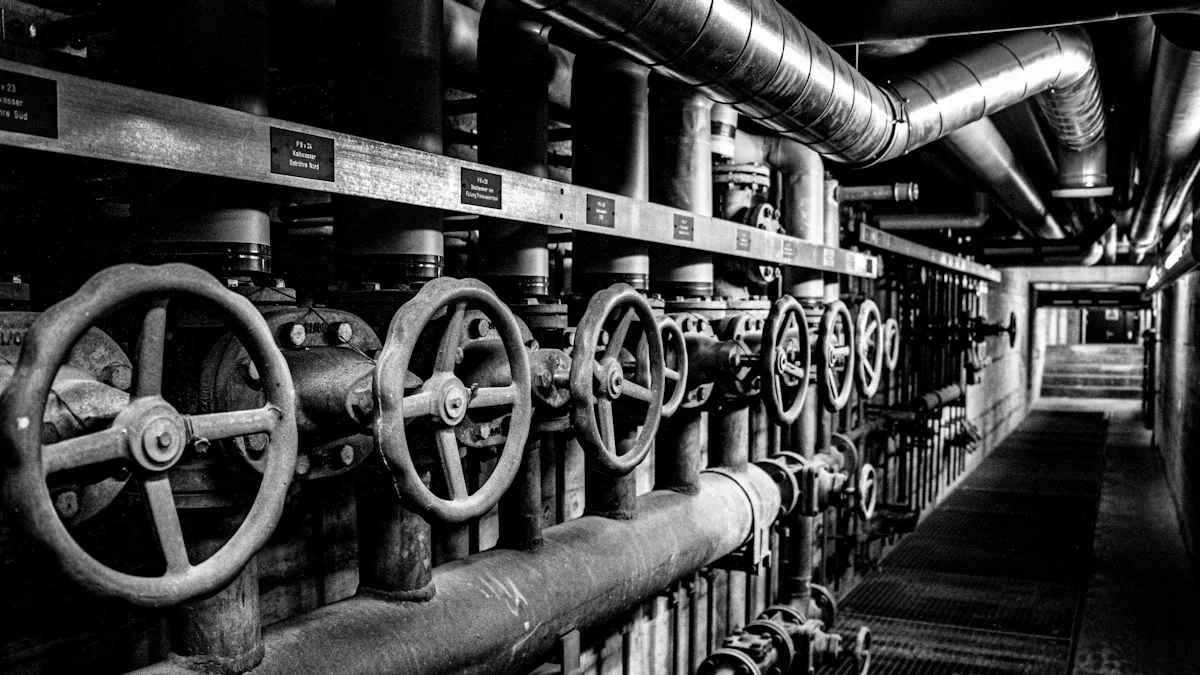
Selecting the right corrosion-resistant valves involves careful consideration of various engineering factors. These factors include process conditions, valve types, and maintenance requirements. Each aspect plays a crucial role in ensuring optimal performance and longevity in chemical applications.
Process Conditions
Process conditions significantly influence the selection of corrosion-resistant valves. Factors such as temperature, pressure, and the type of media being handled must be evaluated. For instance, the materials used in valve construction must withstand specific pressure and temperature variations. If the materials lack sufficient strength, they may fail under stress, leading to potential ruptures.
| Material Type | Corrosion Resistance | Application Context |
|---|---|---|
| 22% and 25% Cr duplexes | Immunity to sweet corrosion (CO2) | Suitable for environments with CO2 exposure |
| Corrosion-resistant alloys (CRA) | Varies by type | Used to enhance corrosion allowance in valve design |
When assessing process conditions, consider the following factors:
- Media type (steam, oil, water, gas, etc.)
- Pressure rating and temperature range
- Opening and closing frequency and control method
- Pipe diameter and installation space
These considerations ensure that the selected valves can handle the specific demands of the application effectively.
Valve Types
Different valve types offer unique characteristics suited for handling aggressive chemicals in industrial applications. Understanding these characteristics helps in selecting the most appropriate valve for specific needs.
| Valve Type | Characteristics | Applications |
|---|---|---|
| Ball Valves | Quick shut-off capability, reliable for hazardous chemicals. | Essential for isolating critical sections in chemical processes. |
| Butterfly Valves | Efficient for managing large volumes, compact design. | Used in utility systems and processes involving cooling water or low-pressure gas distribution. |
| Check Valves | Prevent backflow, ensuring unidirectional flow. | Protects sensitive equipment and maintains safety in chemical processes. |
| Diaphragm Valves | Isolates working parts with a diaphragm, suitable for corrosive fluids. | Common in pharmaceutical and chemical processing industries. |
| Globe Valves | Provides precise control over flow rates and pressure. | Critical for maintaining accurate flow conditions in chemical reactions. |
Selecting the right valve type is essential for ensuring safety and efficiency in chemical processing.
Maintenance Requirements
Proper maintenance practices are vital for maximizing the lifespan of corrosion-resistant valves in chemical plants. Regular maintenance helps prevent leaks and performance issues, ensuring reliable operation. Recommended practices include:
- Regular inspections to identify potential issues early.
- Timely replacement of worn parts to prevent leaks and performance issues.
- Corrosion prevention through protective coatings and material selection.
- Proper lubrication to ensure smooth operation.
- Regular testing and calibration to maintain accurate valve performance.
By adhering to these maintenance practices, operators can enhance the reliability and longevity of their corrosion-resistant valves, ultimately contributing to the overall efficiency of chemical processes.
Supplier Quality
Supplier quality plays a critical role in the long-term performance of corrosion-resistant valves. High-quality materials and precise manufacturing processes significantly enhance the durability and reliability of these valves. When selecting suppliers, companies should consider the following factors:
- Material Quality: The durability of brass check valves, for example, depends on their anti-corrosion properties. Suppliers that use high-grade materials contribute to the structural integrity of the valves, reducing the risk of defects that can lead to accelerated corrosion.
- Manufacturing Standards: Suppliers should adhere to strict manufacturing standards. This ensures that the valves meet the necessary specifications for performance and safety.
- Regular Maintenance and Inspections: Suppliers that emphasize the importance of maintenance help clients identify and address potential corrosion issues early. Regular inspections can prevent costly failures and extend the lifespan of the valves.
Third-party certification also plays a vital role in ensuring the quality of corrosion-resistant valves. Such certifications provide comprehensive quality testing and evaluation, assessing aspects like corrosion resistance, material composition, and sealing integrity. These evaluations help mitigate production risks associated with valve failures, preventing potential accidents and economic losses.
Compliance with Safety Regulations
Compliance with safety regulations is essential for the safe operation of corrosion-resistant valves in the chemical industry. Various international standards govern the performance and safety of these valves. Key regulations include:
- AMPP Standards: The Association for Materials Protection and Performance (AMPP), previously known as NACE, sets standards for corrosion resistance in the chemical industry. Adhering to these standards ensures that valves can withstand harsh environments.
- Sour Service Standards: Solutions that comply with sour service standards, specifically MR0175 and MR0103, are critical for safety in environments prone to sulfide stress cracking. Compliance with these standards is essential for ensuring the durability and safety of valves used in both upstream and downstream oil and gas operations.
By ensuring compliance with these regulations, companies can enhance the safety and reliability of their operations. This commitment to safety not only protects personnel but also safeguards valuable equipment and processes.
Long-Term Reliability of Corrosion-Resistant Valves
Performance Under Stress
Corrosion-resistant valves must perform reliably under harsh conditions. Prolonged exposure to aggressive chemicals and high temperatures can challenge their integrity. The following table illustrates how different valve types and materials withstand these conditions:
| Valve Type | Material Used | Application Context |
|---|---|---|
| Plug Valves | Corrosion-resistant alloys | Chemical processing plants handling strong acids |
| PTFE-lined Plug Valves | PTFE linings | Used in chemical processing to resist corrosive chemicals |
| Marine-grade Plug Valves | Marine-grade coatings | Offshore oil & gas operations to prevent saltwater damage |
| Cryogenic Plug Valves | Extended bonnets | LNG plants for low-temperature applications |
| High-temperature Plug Valves | Heat-resistant alloys | Refineries and power plants for high-heat operations |
| Advanced Sealing Technology | Graphite packing | Maintains integrity above 500°C in extreme conditions |
Environmental Impact
The manufacturing and disposal of corrosion-resistant valves can significantly impact the environment. Companies increasingly focus on sustainable practices to mitigate this impact. Key considerations include:
- Material Selection: Sustainable materials like stainless steel and bronze reduce environmental harm.
- Energy Efficiency: Advanced manufacturing techniques minimize energy consumption and waste.
- Emissions Reduction: Innovative sealing technologies decrease the risk of leaks and emissions, protecting the environment.
- Lifecycle Assessment: Conducting assessments helps identify and improve the environmental impact from production to disposal.
Cost-Effectiveness
Investing in corrosion-resistant valves can lead to substantial long-term savings. The following table compares the total cost of ownership for corrosion-resistant valves versus standard valves:
| Feature | Corrosion-Resistant Valves | Standard Valves |
|---|---|---|
| Lifespan | 10-12 years | 5 years |
| Replacement Frequency | Every 10-12 years | Every 5 years |
| Cost Savings Over 5 Years | $220,000 | N/A |
While the initial investment may be higher, the longevity and reduced maintenance costs of corrosion-resistant valves often outweigh these expenses. Companies can avoid significant downtime and replacement costs associated with standard valves, which can lead to financial losses.
Case Studies of Corrosion-Resistant Valves Implementations
Industry Examples
Numerous sectors within the chemical industry have successfully implemented corrosion-resistant valves, yielding significant benefits. The following table highlights some notable applications and their outcomes:
| Application Type | Outcome Description |
|---|---|
| Acid Handling Plants | Reduced valve replacements by 40% in highly corrosive sulfuric acid pipelines. |
| Solvent Transfer Systems | Improved safety and efficiency in handling volatile and flammable chemicals. |
| Reactor Feed Lines | Prevented leaks and contamination in high-temperature and high-pressure chemical reactors. |
| Water Treatment in Chemical Facilities | Maintained corrosion-free operation even in systems handling chlorinated wastewater. |
These examples illustrate how corrosion-resistant valves enhance operational efficiency and safety across various applications.
Lessons Learned
The implementation of corrosion-resistant valves has provided valuable insights for the industry. Key lessons learned include:
- Consider the Whole Application: Selecting materials based solely on cost can lead to failures. A cheaper valve may fail due to improper application.
- Use Properly Processed Materials: Accurate Material Test Reports (MTRs) are crucial. Improper materials can lead to catastrophic failures.
- Don’t Ignore the Importance of Plastics: The use of plastics like Teflon™ in valve construction is essential for corrosion resistance. Quality manufacturing prevents failures.
These lessons emphasize the importance of thorough evaluation and quality assurance in selecting corrosion-resistant valves for chemical processes.
Selecting the right corrosion-resistant valves is vital for success in the chemical industry. Key considerations include:
- Material Selection: Choose materials based on compatibility with the fluids involved.
- Process Conditions: Evaluate chemical concentration, temperature, and pressure to ensure suitability.
- Valve Type and Design: Opt for designs that minimize crevices and match specific applications.
- Maintenance and Lifecycle: Assess life-cycle costs and ease of maintenance for rigorous upkeep.
- Supplier Quality and Certification: Verify that manufacturers maintain quality controls and relevant certifications.
Informed choices lead to enhanced valve longevity, optimal performance, and reduced operational inefficiencies. Companies that prioritize these factors can achieve long-term success in their chemical processes.
FAQ
What are corrosion-resistant valves?
Corrosion-resistant valves are designed to withstand harsh chemicals and environments. They utilize materials like stainless steel, high-alloy metals, thermoplastics, and fluoropolymer linings to prevent degradation and ensure long-term reliability in chemical processing applications.
How do I choose the right valve for my application?
Selecting the right valve involves assessing process conditions, including temperature, pressure, and chemical compatibility. Consider the specific requirements of your application and consult with suppliers for expert recommendations tailored to your needs.
What maintenance is required for corrosion-resistant valves?
Regular inspections, timely replacement of worn parts, and proper lubrication are essential for maintaining corrosion-resistant valves. Implementing a routine maintenance schedule helps prevent leaks and ensures optimal performance throughout the valve’s lifespan.
Are thermoplastic valves suitable for all chemical applications?
While thermoplastic valves offer excellent corrosion resistance, they may not be suitable for high-temperature or high-pressure applications. Evaluate the specific conditions of your process to determine if thermoplastic valves meet your requirements.
How can I ensure compliance with safety regulations?
To ensure compliance, familiarize yourself with relevant industry standards, such as AMPP and sour service regulations. Work with reputable suppliers who provide certified products and prioritize safety in their manufacturing processes.