PP compression fittings are essential components in plumbing systems, designed to connect various pipes securely. Made from polypropylene, these fittings offer a reliable solution for both residential plumbing fittings and commercial applications.
The significance of PP compression fittings lies in their growing demand within the plumbing industry. The compression fittings installation guide highlights their ease of use, contributing to the projected market expansion from USD 10.28 billion in 2024 to nearly USD 17.79 billion by 2032. This growth reflects their durability, versatility, and the increasing popularity of HDPE compression fittings, making them a preferred choice for many plumbing projects. As a trusted plastic compression fitting supplier, we ensure that our products meet the necessary PP fittings pressure rating for optimal performance.
Key Takeaways
- PP compression fittings are durable, lasting over 50 years, making them a reliable choice for plumbing projects.
- Their corrosion resistance ensures water quality remains uncompromised, ideal for both potable water and chemical transport.
- Installation is straightforward, reducing labor costs and project timelines, which saves money in the long run.
- Regular inspections and cleaning of fittings help maintain performance and prevent leaks, ensuring system integrity.
- PP compression fittings are versatile, suitable for various applications in residential, agricultural, and industrial settings.
Benefits of PP Compression Fittings
Durability and Longevity
PP compression fittings exhibit remarkable durability, often outlasting traditional materials. These fittings can last over 50 years, significantly longer than PVC fittings, which typically last between 20 to 30 years. The following table illustrates the average lifespan of various materials used in plumbing:
| Material | Average Lifespan |
|---|---|
| PPR | Over 50 years |
| PVC | 20 to 30 years |
| Copper | 40 to 70 years |
| Steel | 30 years |
This extended lifespan reduces the need for frequent replacements, making PP compression fittings a reliable choice for both residential and commercial applications.
Corrosion Resistance
One of the standout features of PP compression fittings is their exceptional resistance to corrosion. Unlike metal fittings, which can rust and degrade over time, PP fittings maintain their integrity even in harsh environments. This resistance ensures that the fittings do not compromise the quality of the water being transported. As a result, they are ideal for use in various applications, including potable water systems and chemical transport.
Cost-Effectiveness
PP compression fittings offer significant cost savings, particularly in installation. Their straightforward installation process minimizes labor costs compared to traditional solvent-weld or threaded fittings. The ease of installation allows for quicker project completion, which is crucial in both residential and commercial settings. This efficiency not only saves time but also reduces overall project expenses, making PP compression fittings a financially savvy choice for plumbing needs.
Ease of Installation
PP compression fittings stand out for their straightforward installation process. Unlike traditional fittings that require complex procedures, these fittings simplify the connection of pipes. The installation typically involves the following steps:
- Preparation: Ensure that the pipe ends are clean and free from debris.
- Insertion: Slide the fitting onto the pipe until it reaches the stop.
- Tightening: Use a wrench to tighten the nut, creating a secure seal.
This ease of installation significantly reduces labor costs and project timelines. In fact, while compression fittings may take longer to install than push-to-connect fittings, they still offer a more efficient alternative compared to other traditional methods.
Tip: Always use the appropriate tools to ensure a proper fit and avoid damaging the fittings during installation.
Versatility in Applications
PP compression fittings are highly versatile, making them suitable for various applications across multiple industries. They play a crucial role in plumbing and irrigation systems, particularly for connecting high-density polyethylene (HDPE) pipes. Their adaptability allows for use in:
- Residential plumbing for water supply lines
- Agricultural irrigation systems, including drip and sprinkler setups
- Industrial fluid transport applications
The ability to handle a wide range of temperatures and pressures further enhances their versatility. For instance, in water applications, PP compression fittings can operate effectively within a temperature range of -40 to 60°F and pressure classes of PN10 and PN16. This capability makes them ideal for both hot and cold water systems.
| Application | Temperature Range | Pressure Class |
|---|---|---|
| Water Application | -40 to 60°F | PN10, PN16 |
With their robust design and reliable performance, PP compression fittings are an excellent choice for various plumbing needs, ensuring that they meet the demands of both residential and commercial projects.
How PP Compression Fittings Work
Basic Mechanism
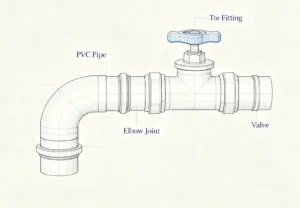
PP compression fittings operate through a straightforward mechanism that ensures a secure connection between pipes. The main components include:
| Component | Function |
|---|---|
| Body | The main part of the fitting that connects to the pipe. |
| Compression Ring | A ring that compresses around the pipe to create a tight seal. |
| Nut | A threaded component that tightens to compress the ring against the pipe and fitting body. |
When the nut is tightened, it compresses the ring around the pipe, forming a leak-proof seal. This mechanism allows for easy assembly and disassembly, making maintenance and repairs more manageable.
Types of Connections
PP compression fittings provide various connection types that enhance installation and performance. These fittings are known for:
- Durability and corrosion resistance, which improves their performance in diverse applications.
- Leak-free connections, essential for maintaining system integrity.
- Simplified installation, allowing for faster and easier setups compared to traditional methods.
The fittings consist of a compression nut, an O-ring, and a compression body. Together, these components ensure a reliable connection that accommodates pipe movement, making them ideal for dynamic environments.
Pressure Handling Capabilities
PP compression fittings are designed to withstand significant pressure, making them suitable for demanding applications. Key points regarding their pressure handling capabilities include:
- Pressure ratings indicate the maximum pressure that these fittings can endure, ensuring safety and reliability.
- These ratings are typically expressed in pounds per square inch (psi) and can vary based on temperature and application.
- PP compression fittings are engineered to have high-pressure ratings, suitable for various environments.
This ability to handle pressure effectively makes PP compression fittings a preferred choice for both residential and commercial plumbing systems.
Installation Guide for PP Compression Fittings
Tools Required
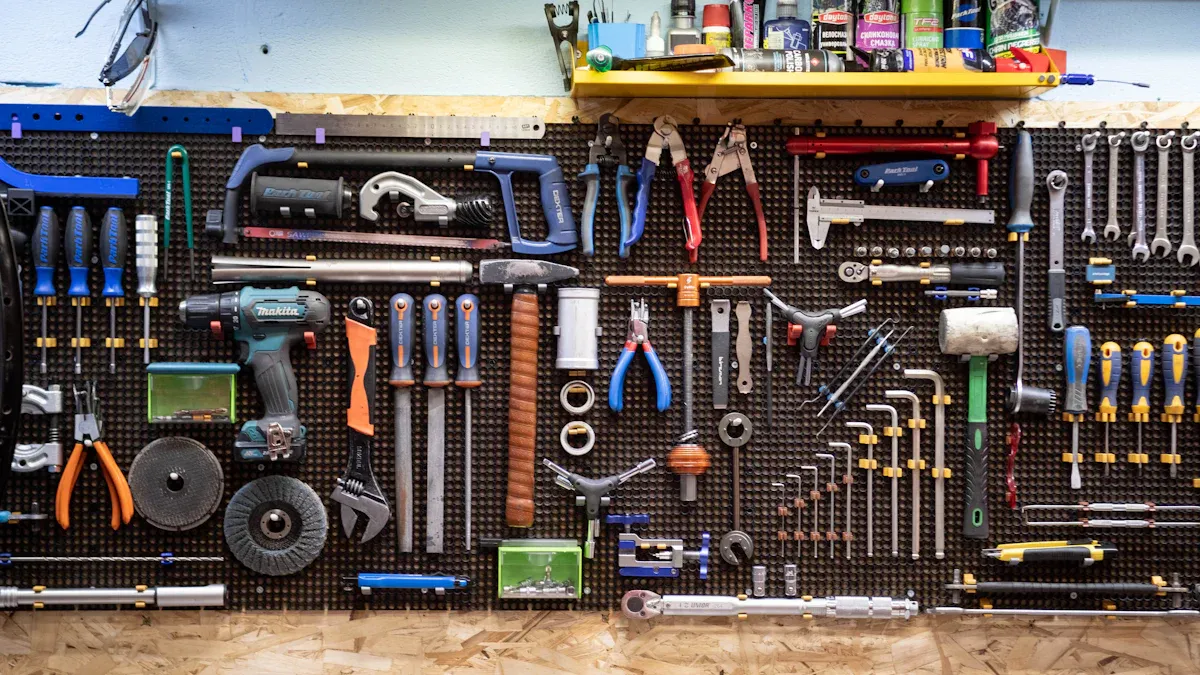
To install PP compression fittings effectively, gather the following tools:
| Tool | Function |
|---|---|
| Pipe Cutter | Cuts the pipe to the correct length. |
| Wrench | Tightens the compression nut onto the fitting. |
| Calibrator | Ensures the pipe ends are smooth and round. |
| Torque Wrench | Secures the fitting without over-tightening. |
| Marker Pen | Marks insertion depth on the pipe. |
| Pipe Lubricant | Facilitates easier insertion of the pipe into the fitting. |
| Personal Protective Equipment (PPE) | Ensures safety during installation. |
Step-by-Step Installation Process
Follow these steps to install PP compression fittings correctly:
- Gather Necessary Tools and Materials: Ensure you have PP pipe fittings, HDPE pipes, a pipe cutter, a calibrator, a torque wrench, a marker pen, pipe lubricant, and PPE.
- Cut and Prepare the HDPE Pipes: Cut the pipes to the desired length, ensuring a clean and straight cut. Use a calibrator to round the ends of the pipes.
- Choose the Right PP Fittings: Decide between compression fittings and electrofusion fittings based on your needs.
- Install Compression Fittings: Insert the prepared HDPE pipe into the fitting, hand-tighten the compression nut, and use a torque wrench to secure it without over-tightening.
- Install Electrofusion Fittings: Align the fitting over the pipe and use an electrofusion machine to fuse them together.
- Pressure Test the Installation: Conduct a pressure test to check for leaks by gradually increasing the pressure and monitoring the joints.
- Follow Safety Precautions: Always wear PPE and follow the manufacturer’s instructions to ensure safety during installation.
Common Mistakes to Avoid
Avoid these common mistakes during the installation of PP compression fittings to ensure a successful outcome:
| Common Mistakes | Solutions |
|---|---|
| Poor Pipe Cutting and Misalignment | Use a sharp pipe cutter for clean cuts and smooth edges with a deburring tool. Check alignment before welding. |
| Incorrect Heating Time During Fusion | Follow recommended heating times and use a temperature-controlled tool for uniform heating. |
| Weak Joints Due to Improper Fusion Pressure | Apply firm, even pressure during fusion and check for uniform fusion beads. |
| Leaks Caused by Incorrect Pipe Insertion | Mark insertion depth on the pipe and ensure full insertion into the fitting. |
| Cracks or Damage Due to Improper Handling | Handle and store pipes and fittings carefully, inspecting for damage before installation. |
By following these guidelines, individuals can ensure a successful installation of PP compression fittings, leading to a reliable and efficient plumbing system.
Maintenance Tips for PP Compression Fittings
Regular Inspection
Regular inspections of PP compression fittings are essential for maintaining system integrity. For residential plumbing systems, an annual visual inspection of accessible fittings is typically adequate. In contrast, commercial systems or those under high demand may require more frequent inspections. Increased pressure cycles and continuous operation can lead to potential issues. Inspect fittings after any system modifications, pressure testing, or seasonal temperature changes to catch problems early.
Cleaning Procedures
Keeping PP compression fittings clean is crucial for optimal performance. Regular cleaning helps prevent buildup that can affect flow rates and pressure. Follow these steps for effective cleaning:
- Turn Off the Water Supply: Ensure the system is depressurized before starting.
- Remove the Fitting: Carefully detach the fitting from the pipe.
- Clean the Fitting: Use a soft cloth and mild detergent to clean the exterior. Avoid harsh chemicals that could damage the material.
- Inspect the Interior: Check for debris or buildup inside the fitting. Use a soft brush if necessary.
- Reassemble: Once clean, reattach the fitting securely.
Signs of Wear and Tear
Identifying signs of wear and tear in PP compression fittings can prevent costly repairs. Look for the following indicators:
- Visible leaks: These can range from slow drips to sudden sprays, indicating potential failure.
- Discoloration or corrosion: This is common in moist or chemically aggressive environments and signals wear.
- Decreased system performance: Reduced flow rates or pressure may indicate operational inefficiencies.
By staying vigilant and addressing these signs promptly, individuals can ensure the longevity and reliability of their PP compression fittings.
Common Issues and Solutions
Leaks and Drips
Leaks and drips in PP compression fittings can arise from several causes. Understanding these causes helps in implementing effective solutions. The table below outlines the primary causes of leaks and recommended solutions:
| Cause of Leaks | Description |
|---|---|
| Improper Installation | Incorrect tightening and misalignment can lead to weak seals and leaks. |
| Wear and Tear | Aging materials and exposure to harsh environments can degrade fittings, causing leaks. |
| Poor Quality Materials | Substandard manufacturing and incompatible materials can result in failures of the seal. |
| Vibration and Movement | Mechanical vibrations and frequent movements can loosen fittings over time, leading to leaks. |
| Incorrect Size or Type | Mismatched fittings or using the wrong type for specific applications can prevent effective sealing. |
To prevent leaks, ensure proper installation, use high-quality materials, and conduct regular inspections.
Fitting Misalignment
Fitting misalignment can lead to significant issues in plumbing systems. Misalignment occurs when the pipes and fittings do not connect properly, resulting in stress on the joints. This stress can cause leaks and reduce the overall efficiency of the system. To address fitting misalignment:
- Ensure Proper Alignment: Before tightening, check that the pipes are aligned correctly.
- Use Support Structures: Employ brackets or supports to maintain alignment during installation.
- Conduct Regular Inspections: Regularly inspect fittings to identify any signs of misalignment early.
Material Degradation
Material degradation poses a risk to the longevity of PP compression fittings. Environmental factors can accelerate this degradation. The table below highlights key environmental factors and their effects:
| Environmental Factor | Effect on PP Compression Fittings |
|---|---|
| UV Radiation | Can lead to degradation if not UV-stabilized |
| Thermal Conditions | Affects thermal stability and degradation mechanisms |
| Presence of Oxygen | Causes oxidative degradation, lowering thermal stability from 250 to 425 °C |
To combat material degradation, consider using high-quality fittings designed for durability. Brands like IFAN offer enhanced resistance to chemicals and longer lifespans compared to lower-quality alternatives. This choice minimizes the need for replacements and supports environmental sustainability.
PP compression fittings offer numerous advantages that make them an excellent choice for plumbing applications. Their corrosion resistance, leak-proof design, and easy installation contribute to their popularity. Additionally, they require minimal maintenance and provide long-term performance across various industries.
Proper installation and maintenance are crucial for ensuring the longevity of these fittings. Key considerations include:
- Improper installation can lead to inadequate sealing or damage.
- Material fatigue necessitates regular inspections to identify wear.
- Environmental factors can impact performance, making maintenance essential.
For reliable plumbing solutions, consider using PP compression fittings. Their versatility and durability make them a smart investment for both residential and commercial projects.
FAQ
What materials are PP compression fittings made from?
PP compression fittings are primarily made from polypropylene, a durable plastic known for its resistance to corrosion and chemical degradation. This material ensures longevity and reliability in various plumbing applications.
Can PP compression fittings be used for hot water systems?
Yes, PP compression fittings can handle hot water systems effectively. They operate within a temperature range of -40 to 60°F, making them suitable for both hot and cold water applications.
How do I know if my PP compression fittings are leaking?
Inspect for visible water around the fittings or listen for hissing sounds. If you notice any dampness or water pooling, it may indicate a leak that requires immediate attention.
Are PP compression fittings reusable?
Yes, PP compression fittings are reusable. They allow for easy disassembly and reassembly, making them ideal for temporary setups or repairs. Ensure proper inspection before reuse to maintain system integrity.
What is the lifespan of PP compression fittings?
PP compression fittings typically last over 50 years, significantly outlasting many traditional materials. Their durability makes them a reliable choice for both residential and commercial plumbing systems.