
When choosing piping materials for plumbing or fire protection systems, many people ask: which is better, CPVC or uPVC fittings? Both materials are widely used in modern piping systems, but they have different properties, applications, and advantages. Understanding these differences will help you select the right solution for your specific needs.
What Are CPVC and uPVC Fittings?
CPVC (Chlorinated Polyvinyl Chloride) and uPVC (Unplasticized Polyvinyl Chloride) are both types of plastic piping materials, but they are designed for different purposes.
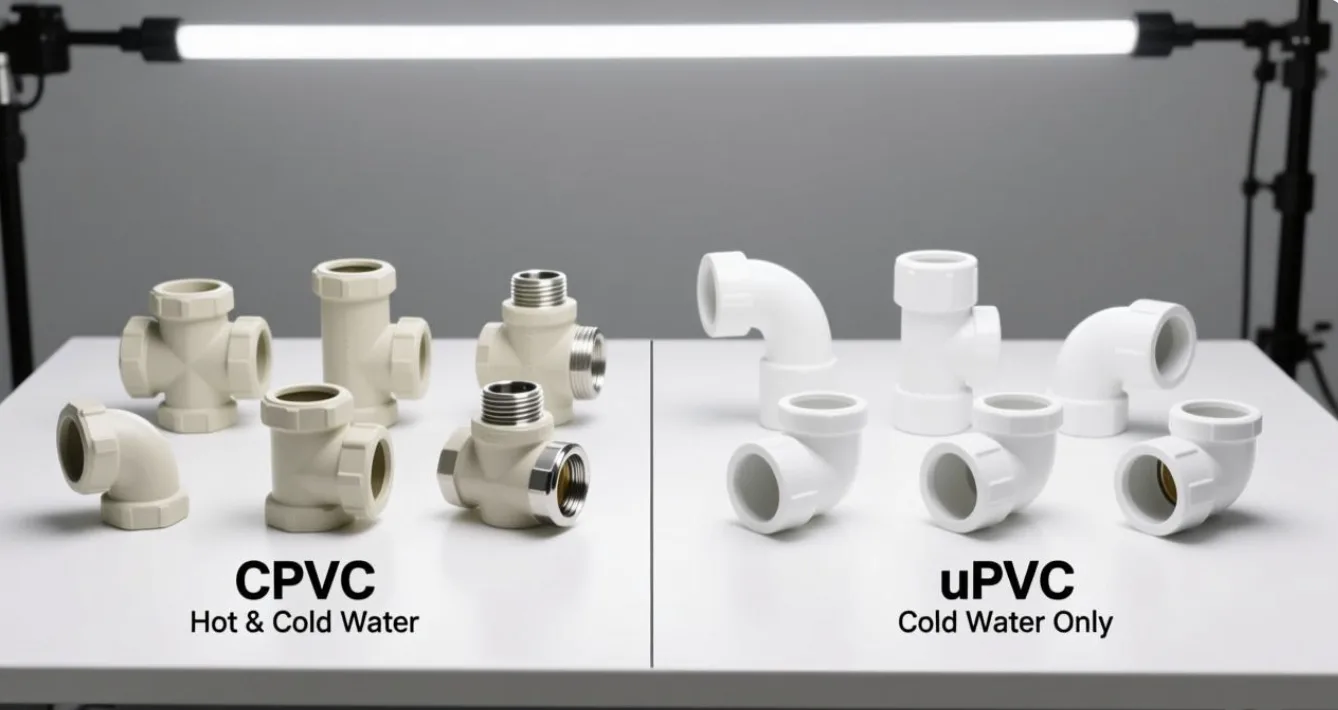
CPVC fittings are modified to handle higher temperatures, making them ideal for hot and cold water systems
uPVC fittings are more rigid and typically used for cold water supply, drainage, and irrigation systems
Both materials offer corrosion resistance and durability, but their performance varies depending on the application.
Key Differences Between CPVC and uPVC Fittings
Here are the main differences between CPVC and uPVC fittings:
1. Temperature Resistance
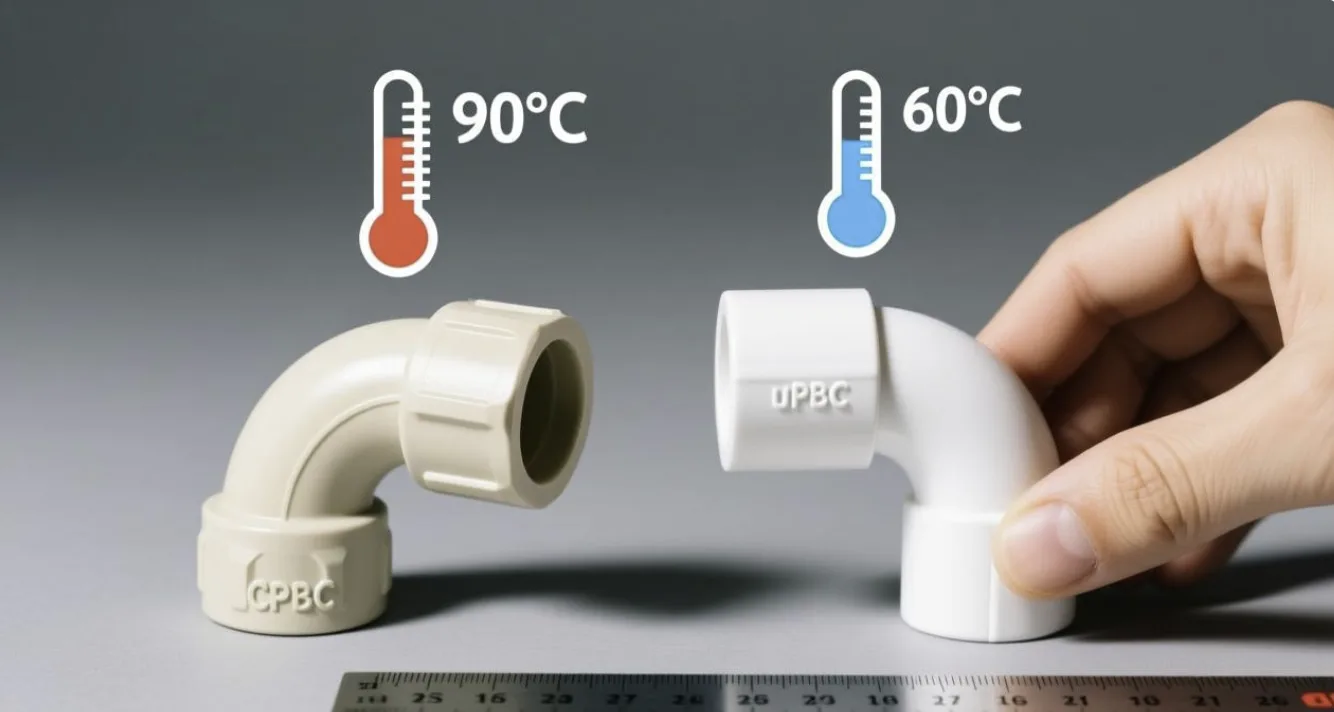
CPVC can withstand higher temperatures (up to around 90°C), while uPVC is suitable only for cold water applications.
2. Material Flexibility
CPVC is slightly more flexible due to its chemical structure, whereas uPVC is more rigid and strong.
3. Applications
CPVC is used in hot water systems and fire sprinkler systems, while uPVC is commonly used for drainage, irrigation, and cold water supply.
4. Cost
uPVC fittings are generally more affordable, while CPVC fittings may cost more due to their enhanced performance.
Advantages of CPVC Fittings
CPVC fittings offer several benefits:
- Excellent heat resistance for hot water systems
- Suitable for fire protection and sprinkler systems
- Strong chemical and corrosion resistance
- Long service life with minimal maintenance
Advantages of uPVC Fittings
uPVC fittings also have their own strengths:
- Lower cost and budget-friendly
- High rigidity and strength
- Ideal for cold water and drainage systems
- Easy installation and maintenance
Which One Should You Choose?
The choice between CPVC and uPVC fittings depends on your application:
- Choose CPVC fittings for hot water systems, fire protection, and high-temperature environments
- Choose uPVC fittings for cold water supply, drainage, and irrigation systems
In short, neither is universally “better”—the best option depends on your specific needs.
Applications in Fire Protection Systems
In fire protection systems, CPVC fittings are often preferred due to their ability to handle higher temperatures and maintain performance under demanding conditions. This makes them suitable for fire sprinkler systems and safety-critical applications.
FAQ
What is the main difference between CPVC and uPVC?
The main difference is temperature resistance—CPVC can handle hot water, while uPVC is mainly for cold water applications.
Is CPVC stronger than uPVC?
CPVC is more heat-resistant, while uPVC is more rigid; strength depends on the specific application.
Can uPVC be used for hot water systems?
No, uPVC is not suitable for hot water as it cannot withstand high temperatures.
Which is more cost-effective, CPVC or uPVC?
uPVC is generally cheaper, while CPVC offers better performance for high-temperature applications.
About Pntek
Pntek is a professional manufacturer of high-quality plastic piping systems, specializing in CPVC, uPVC, and related pipe fittings for plumbing, irrigation, and fire protection applications. We are committed to providing durable, efficient, and cost-effective solutions that meet international standards.if you need,just contact us directly!
With advanced production technology and strict quality control, Pntek delivers reliable piping products trusted by customers worldwide.


