
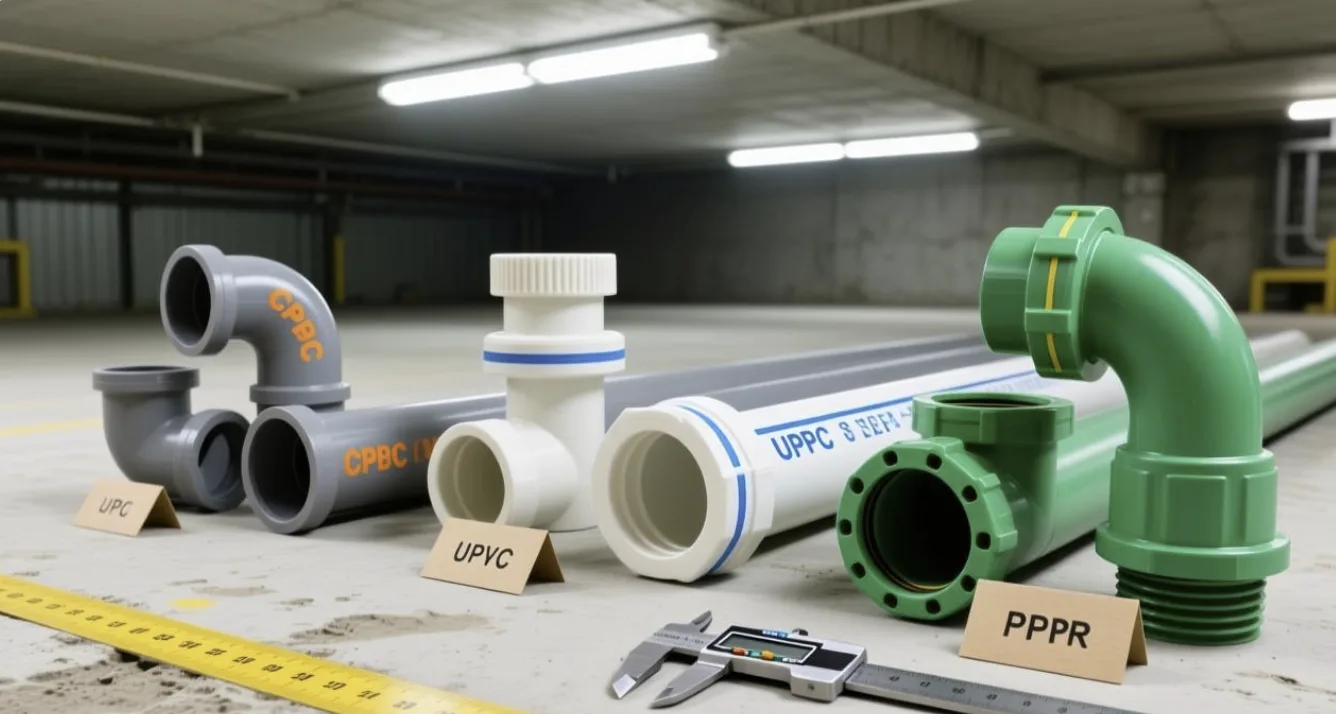
When users search for “CPVC pipe fittings vs UPVC vs PPR comparison” or “which plastic pipe material is best for plumbing,” the main differences come down to temperature resistance, application, and installation methods:
CPVC (Chlorinated Polyvinyl Chloride)
High temperature resistance, suitable for hot water systems
Excellent chemical resistance for industrial fluids
Commonly used in fire sprinkler systems and chemical pipelines
UPVC (Unplasticized Polyvinyl Chloride)
Rigid and cost-effective material
Not suitable for hot water applications
Widely used in drainage, sewage, and cold water supply
PPR (Polypropylene Random Copolymer)
Heat-fusion welded joints for strong sealing
Ideal for hot and cold potable water systems
Eco-friendly and widely used in residential plumbing
Performance Comparison of CPVC vs UPVC vs PPR Pipes
For searches like “PPR vs UPVC which is better” or “CPVC temperature resistance comparison,” performance is a key decision factor:
Temperature Resistance
CPVC > PPR > UPVC
CPVC performs best under high-temperature conditions
Installation Method
CPVC & UPVC: solvent cement bonding
PPR: heat fusion welding (more leak-proof)
Durability
All three have long service life under proper conditions
PPR offers the best stability in residential use
Cost Comparison
UPVC: most economical
PPR: mid-range with balanced performance
CPVC: higher cost but suitable for industrial systems
Application Areas: Where Each Pipe Material Is Used
For long-tail keywords like “CPVC pipe applications,” “UPVC drainage system use,” or “PPR pipe for home plumbing,” usage scenarios differ clearly:
CPVC Applications
Industrial fluid transportation
Hot water distribution systems
Fire sprinkler installations
UPVC Applications
Drainage and sewage systems
Cold water supply pipelines
Electrical conduit protection
PPR Applications
Residential hot and cold water systems
Drinking water pipelines
HVAC and heating systems
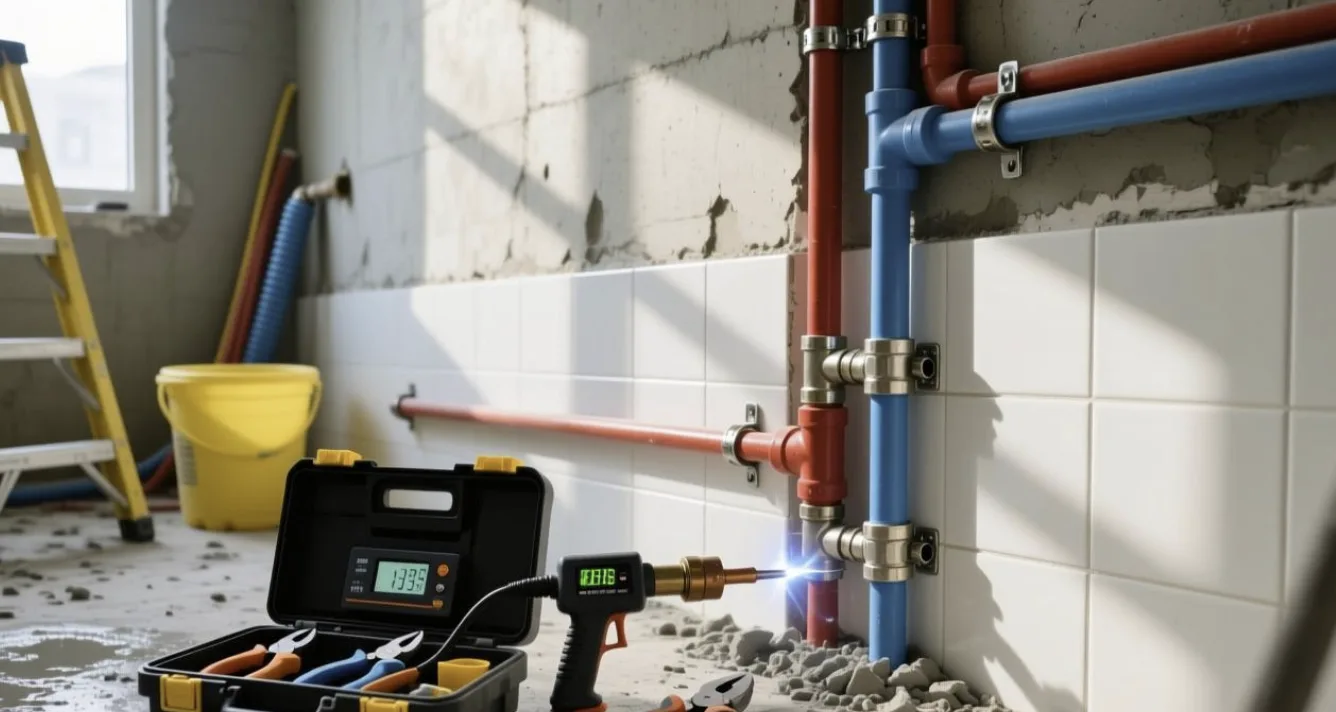
How to Choose Between CPVC, UPVC, and PPR Pipe Fittings
For queries like “which pipe material should I use for home plumbing,” selection depends on several factors:
Temperature Requirements
High temperature → CPVC
Home hot/cold water → PPR
Cold water & drainage → UPVC
Installation Environment
Residential use → PPR preferred
Industrial systems → CPVC recommended
Drainage projects → UPVC cost-effective
Budget Consideration
UPVC: lowest cost option
PPR: balanced performance and price
CPVC: premium industrial-grade solution
Installation & Maintenance Tips for Long Service Life
For searches like “how to install PPR pipes” or “UPVC pipe maintenance tips,” correct installation is essential:
Installation Guidelines
PPR: heat fusion must be temperature-controlled
UPVC/CPVC: apply solvent cement evenly and correctly
Usage Precautions
Avoid exposure to excessive heat or pressure
Protect UPVC pipes from long-term UV exposure
Maintenance Advice
Regularly inspect joints and fittings
Conduct pressure testing in industrial systems
FAQ
What is the main difference between CPVC, UPVC, and PPR pipes?
CPVC is best for high-temperature industrial use, UPVC is ideal for drainage and cold water, and PPR is widely used for residential hot and cold water systems.
Which is better for home plumbing: PPR or UPVC?
PPR is generally better for home plumbing due to its heat resistance, safety, and suitability for potable water systems.
Can CPVC pipes be used for hot water systems?
Yes, CPVC is designed for high-temperature applications and performs well in hot water and industrial systems.
How long does PPR piping last?
Under proper installation and usage conditions, PPR pipes can last up to 50 years.
Is UPVC safe for drinking water systems?
UPVC is mainly recommended for cold water and drainage; it is not ideal for hot water applications but can be used for cold potable water in many systems.
About Us – PNTEK Plast
PNTEK Plast is a professional manufacturer and supplier specializing in plastic piping systems and fittings, including CPVC, UPVC, and PPR pipe solutions.
Our strengths include:
Wide Product Range
Full range of piping systems and fittings for residential and industrial use
Advanced Manufacturing Technology
Precision injection molding and heat fusion production processes
Strict quality control system ensuring product consistency and durability
Global Service Capability
OEM & ODM customization support
Reliable piping solutions for construction, agriculture, and industrial applications
PNTEK is committed to providing durable, cost-effective, and high-performance piping solutions for global customers across residential, commercial, and industrial sectors.


