PPR Pipe and Fittings play a vital role in modern plumbing systems. Their unique properties enhance home durability and efficiency significantly. For instance, PPR pipe fittings provide robust leak prevention, ensuring stable and leak-proof joints. Additionally, these PPR water pipes exhibit high temperature resistance, making them suitable for both hot and cold water systems. Homeowners often wonder how to distinguish between high-quality and low-quality PPR fittings, as this knowledge is crucial for ensuring long-lasting installations. This is why PPR is the best choice for hot and cold water systems, as it meets the demands of residential construction projects while minimizing maintenance and maximizing performance.
Key Takeaways
- PPR pipes and fittings are durable and can last over 50 years, reducing the need for frequent replacements.
- These pipes resist corrosion and scaling, leading to lower maintenance costs and a reliable plumbing system.
- PPR’s lightweight nature simplifies installation, saving time and reducing labor costs for homeowners.
- PPR pipes handle high temperatures up to 95°C, making them suitable for both hot and cold water systems.
- Regular inspections and cleaning of PPR systems help prevent leaks and blockages, ensuring long-term performance.
Properties of PPR Pipes and Fittings
Chemical Resistance
PPR pipes and fittings exhibit excellent chemical resistance, making them suitable for various applications in residential plumbing. They can withstand exposure to acids, bases, salts, and organic solvents without degrading. This property sets them apart from other materials like PVC and copper. The following table summarizes the chemical resistance properties of these materials:
| Material | Chemical Resistance Properties |
|---|---|
| PPR | Excellent resistance to acids, bases, salts, and organic solvents; suitable for various applications. |
| PVC | Limited in high-temperature applications; can become brittle; affected by some organic solvents. |
| Copper | Prone to corrosion when exposed to certain chemicals; not as durable as PPR. |
Temperature Tolerance
PPR pipes and fittings also demonstrate impressive temperature tolerance. They can handle temperatures up to 95°C (203°F) for pipes and from -10°C to 95°C for fittings. This capability allows them to function effectively in both hot and cold water systems. The following table illustrates the temperature ranges for PPR components:
| Component | Temperature Range |
|---|---|
| PPR Pipes | Up to 95°C (203°F) |
| PPR Fittings | -10 to 95°C |
Lightweight Nature
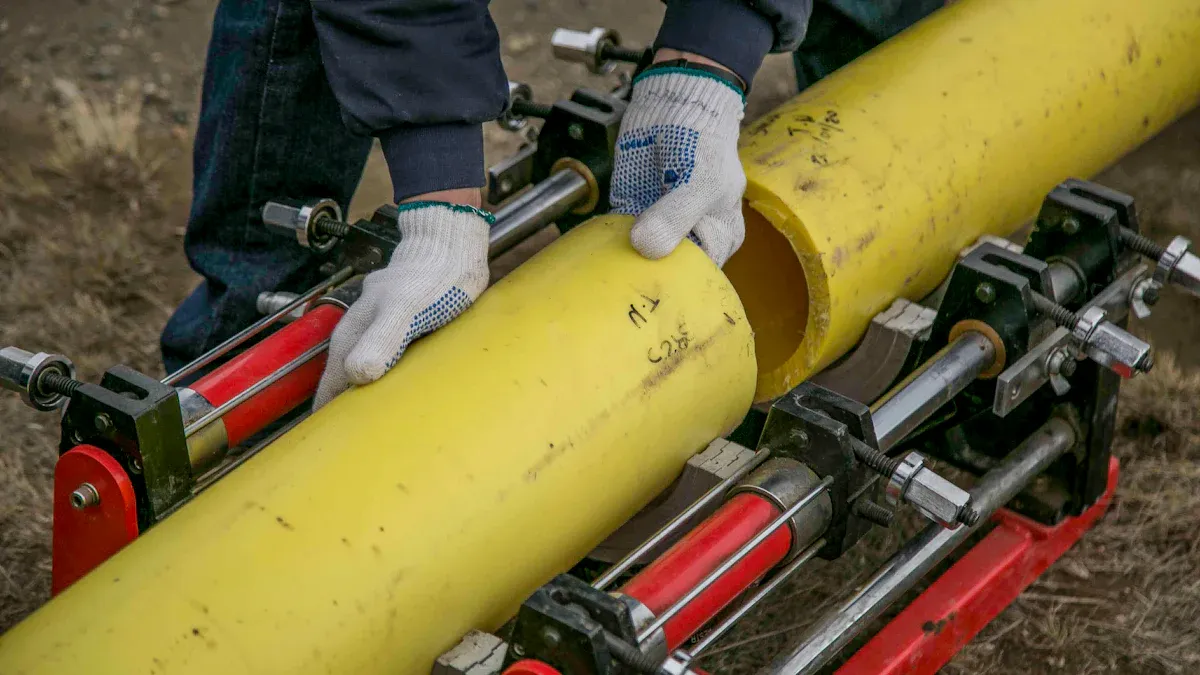
The lightweight nature of PPR pipes and fittings significantly impacts their transportation and installation costs. Their design enhances maneuverability, allowing for easier transport without heavy machinery. This feature saves time and reduces labor costs. Additionally, the streamlined installation process using heat fusion welding creates strong, leak-proof joints, often resulting in quicker installation times. Overall, the lightweight nature simplifies handling and contributes to cost-effectiveness in plumbing projects.
Advantages of PPR Pipes and Fittings
Cost-Effectiveness
PPR pipes and fittings offer significant cost advantages over traditional plumbing materials. Homeowners can expect to save up to 40% in total ownership costs over 30 years when choosing PPR systems instead of copper or galvanized steel. This cost-effectiveness stems from several factors:
- Minimal Maintenance: PPR systems require less upkeep due to their durable nature. They resist corrosion and scaling, which are common issues in traditional plumbing.
- Lower Labor Costs: The installation process for PPR pipes is faster, leading to reduced labor expenses. The heat fusion method used for joining PPR fittings creates strong, leak-proof connections, minimizing the risk of costly leaks.
Longevity and Durability
The longevity of PPR pipes and fittings is another compelling advantage. These systems typically last over 50 years, making them a reliable choice for residential plumbing. The following table summarizes key characteristics of PPR pipes:
| Characteristic | Detail |
|---|---|
| Typical Lifespan | Over 50 years |
| Material | Polypropylene random copolymer |
| Resistance | Rust and corrosion |
| Maintenance | Minimal, reducing repair frequency |
| Proven Longevity | Systems in use for over 30 years |
| Performance | No signs of cracking, leaking, or wear |
PPR pipes are made from thermoplastic material, which enhances their resistance to rust and corrosion. This durability means homeowners do not need to replace them frequently, significantly lowering long-term maintenance costs.
Ease of Installation
The installation of PPR pipes and fittings is straightforward, contributing to their growing popularity in residential construction. However, some common challenges can arise during installation:
- Poor pipe cutting and misalignment can lead to weak connections.
- Incorrect heating time during fusion welding can cause leaks.
- Weak joints may result from improper fusion pressure.
Despite these challenges, the overall installation process remains efficient. The lightweight nature of PPR materials allows for easier handling and transport, further streamlining the installation process.
Applications of PPR Pipes and Fittings in Residential Settings

Hot and Cold Water Supply
PPR pipes and fittings excel in hot and cold water supply applications due to their unique properties. They ensure that water remains safe and free from contaminants. The following table highlights key features that enhance water quality:
| Feature | Description |
|---|---|
| Odorless and Taste-Free Water | PPR pipes do not alter the sensory properties of water, ensuring it remains fresh and natural. |
| High Temperature Resistance | PPR maintains safety up to 95°C without degradation, ensuring hot water remains safe. |
| Long-Term Durability | PPR does not corrode or rust, ensuring a safe water supply for decades. |
| Non-Toxic Material Composition | Made from food-grade polypropylene, PPR is free from harmful substances and safe for drinking. |
| No Chemical Reactions with Water | PPR is chemically inert, maintaining water purity without introducing foreign substances. |
These characteristics make PPR pipes a preferred choice for homeowners looking to enhance their plumbing systems.
Drainage Systems
In residential drainage systems, PPR pipes and fittings offer several advantages over traditional materials. Their corrosion resistance and extended lifespan contribute to reliable performance. The following table compares the advantages of PPR pipes with other materials:
| Advantage | PPR Pipes | Other Materials |
|---|---|---|
| Corrosion Resistance | Yes | Varies |
| Scaling Resistance | Yes | Varies |
| Lifespan | Extended due to resistance | Shorter lifespan |
| Temperature Handling | High temperatures | Limited in some materials |
| Thermal Conductivity | Low | Higher in metals |
PPR pipes also minimize leakage rates, which is crucial for maintaining system integrity. They are designed to have a nearly zero connection leakage rate, significantly enhancing reliability in drainage applications. This feature reduces the need for ongoing maintenance, ensuring that systems remain leak-free over time.
Heating Systems
PPR pipes and fittings play a vital role in residential heating systems. Their smooth inner surfaces enhance flow efficiency, leading to improved system performance. Homeowners can expect several benefits, including:
- The smooth inner surface of PPR fittings allows for freer water flow.
- This ensures consistent pressure at taps, enhancing user experience in daily use.
- Reduced friction translates to lower energy dissipation, improving overall system efficiency.
Additionally, PPR fittings enhance energy efficiency by providing excellent insulation, which reduces heat loss in heating systems. They minimize conduction through joints, preventing heat loss and ensuring hot water retains its temperature longer. This leads to lower energy bills and improved system performance, making PPR an eco-friendly choice for heating applications.
Installation Considerations for PPR Pipes and Fittings
Tools Required
Proper installation of PPR pipes and fittings necessitates specific tools to ensure quality and longevity. Here is a list of essential tools:
- Fusion welding machine: This tool is crucial for creating strong, leak-proof joints.
- Cutting tools: Use a plastic pipe cutter, ratcheting cutter, or fine-toothed hacksaw for clean cuts.
- Deburring tool and chamfering tool: These tools help prepare pipe edges for a secure fit.
- Measuring tape, marker, and caliper: Accurate measurements are vital for proper alignment.
- Cleaning supplies: Isopropyl alcohol and lint-free cloths ensure cleanliness before fusion.
- PPR scraper: This tool removes oxide layers from the pipe surface.
- Clamps and vises: These provide stability during the welding process.
- Personal protective equipment: Heat-resistant gloves and safety glasses protect installers from hazards.
Best Practices
To achieve optimal performance during installation, follow these best practices:
- Proper Preparation of Pipes and Fittings: Cut pipes to length with a sharp cutter, remove burrs, and ensure cleanliness.
- Ensuring Correct Fusion Temperatures: Heat both components to the right temperature and monitor heating time to avoid weak bonds.
- Alignment and Joining Techniques: Align pipes and fittings properly without twisting, and hold them in place during cooling.
- Testing for Leaks and Pressure: Conduct pressure tests to check for leaks and ensure system reliability.
- Regular Maintenance and Inspection: Periodically inspect for wear and leaks to prolong system lifespan.
Common Mistakes to Avoid
Avoiding common installation mistakes can significantly enhance the reliability of PPR plumbing systems. Here are frequent pitfalls to watch out for:
- Overheating the pipe during welding can cause deformation or weak joints.
- Misalignment during jointing leads to uneven stress and potential leaks.
- Skipping deburring can compromise the seal and lead to leaks over time.
- Rushing the cooling process can weaken the bond, resulting in failures.
- Inadequate cleaning and preparation of PPR fittings can prevent a secure bond.
By adhering to these guidelines, installers can ensure a successful and durable PPR plumbing system that meets the demands of residential construction.
Maintenance Tips for PPR Pipes and Fittings
Regular Inspections
Regular inspections are crucial for maintaining the longevity and performance of PPR pipes and fittings. Homeowners should schedule periodic checks of all visible connections. They must look for signs of water stains, dampness, or discoloration near joints. Conducting visual checks every 3–6 months helps catch potential issues early. This proactive approach allows for the early detection of minor problems, preventing them from escalating into significant repairs.
Cleaning Procedures
Proper cleaning of PPR pipes and fittings prevents common plumbing issues. Homeowners should follow these effective cleaning methods:
| Method | Purpose | Recommended Type |
|---|---|---|
| Isopropyl alcohol (70%) | Pre-cleaning | Medical-grade, non-diluted |
| Nylon pipe brush | Mechanical debris removal | Flexible stem, adjustable length |
| Citric acid powder | Scale/rust removal | Food-grade, 99% purity |
| UV sterilizer | Bacterial control | 254nm wavelength, 30W+ power |
Cleaning should occur at various stages:
- Pre-Installation: Remove manufacturing residues like oils and dust.
- Post-Installation: Flush out debris from welding or cutting.
- Periodic Maintenance: Clean every 3–5 years for residential systems; annually for high-use applications.
Regular cleaning helps eliminate dirt and debris that can lead to clogs. Flushing the system with water aids in removing sediment, thus preventing blockages. Homeowners should observe unusual odors or discoloration in water, indicating the need for more frequent flushing to combat microbial growth.
Troubleshooting Issues
When issues arise, homeowners can follow these troubleshooting steps to resolve leaks or blockages in PPR pipes and fittings:
- Leaks at Joints: Check for visible signs of water seepage and re-weld if necessary.
- Cracking or Brittle Fittings: Inspect for wear and replace any cracked fittings immediately.
- Clogged Pipes: Identify blockages and use a plumbing snake or high-pressure water jetter to clear them.
- Misalignment of Fittings: Inspect and realign any misaligned fittings before re-welding.
- Temperature Sensitivity: Monitor operating conditions and consider insulation or temperature regulation devices.
By managing temperature exposure and maintaining consistent water pressure, homeowners can prevent stress on fittings. Regular inspections and cleaning help identify potential issues before they escalate, ensuring a reliable plumbing system.
PPR pipes and fittings offer numerous benefits that enhance residential plumbing systems. Their longevity, often exceeding 50 years, ensures reliable performance under various conditions. Homeowners appreciate their resistance to corrosion and scaling, which leads to lower maintenance costs. Additionally, PPR’s flexibility allows for easy installation in complex layouts.
The impact of PPR on plumbing efficiency is significant. Its thermal resistance enables safe handling of high temperatures, while the seamless connections created through heat fusion welding enhance reliability. Homeowners can trust that PPR systems will provide safe drinking water without harmful substances.
For future residential projects, considering PPR pipes and fittings is a wise choice. Their durability and efficiency make them an ideal solution for modern plumbing needs.
FAQ
What are PPR pipes made of?
PPR pipes consist of polypropylene random copolymer. This material provides excellent resistance to corrosion and high temperatures, making it suitable for various plumbing applications.
How long do PPR pipes last?
PPR pipes typically last over 50 years. Their durability and resistance to rust and corrosion contribute to their long lifespan in residential plumbing systems.
Can PPR pipes be used for hot water?
Yes, PPR pipes can handle hot water applications. They maintain structural integrity at temperatures up to 95°C (203°F), ensuring safe and efficient hot water supply.
Are PPR pipes environmentally friendly?
PPR pipes are environmentally friendly. They are recyclable and do not leach harmful chemicals into water, making them a safe choice for residential plumbing.
How do I install PPR pipes?
Installing PPR pipes requires specific tools, such as a fusion welding machine. Proper preparation, alignment, and temperature control during welding ensure strong, leak-proof joints.