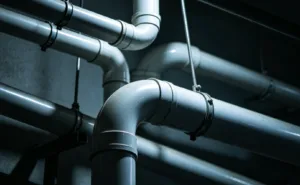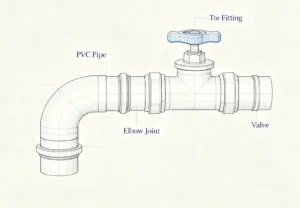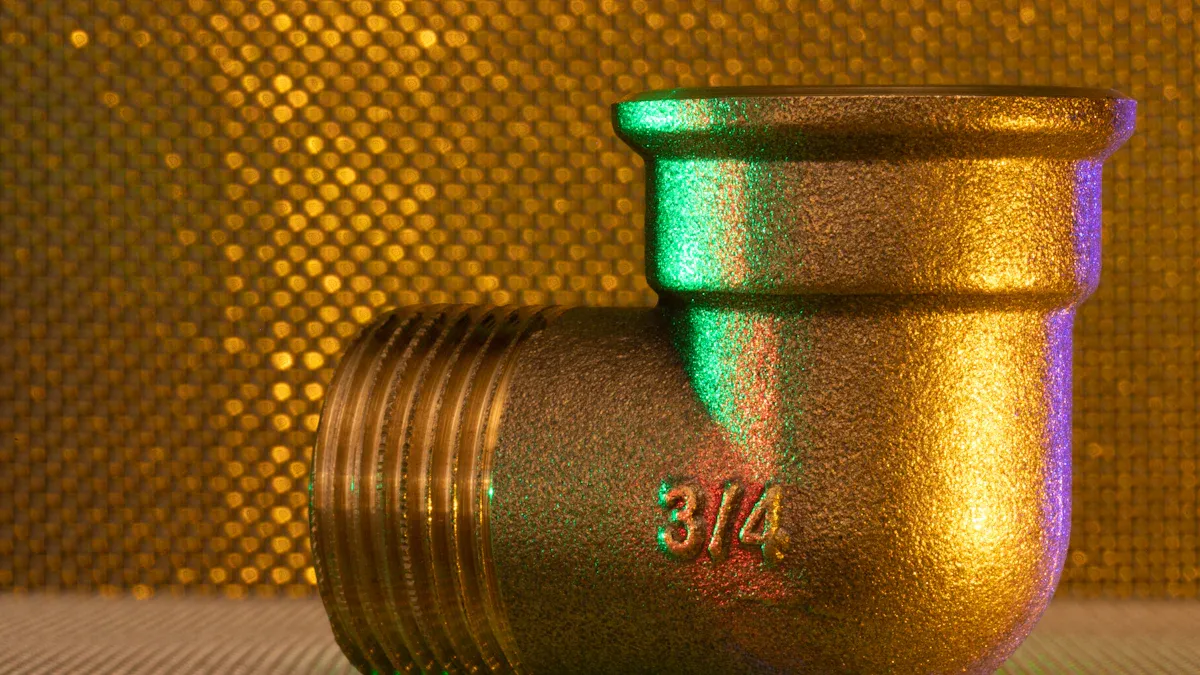
Choosing the right plastic pipe fittings for plumbing systems requires careful consideration. Factors such as material selection, compliance with safety standards, and sizing accuracy play crucial roles. For instance, selecting the wrong material can lead to corrosion or chemical reactions. Understanding the various types of fittings, including PVC fittings and PPR pipe fittings, is vital for ensuring optimal performance. Additionally, exploring the CPVC fittings benefits and compatibility, along with installation considerations such as pressure ratings, can significantly impact system efficiency. A well-informed choice enhances both safety and longevity in plumbing installations, making a plumbing installation guide essential for success. Furthermore, proper HDPE pipes installation is also critical to achieving a reliable plumbing system.
Key Takeaways
- Choose the right material for plastic pipe fittings to avoid issues like corrosion and chemical reactions. PVC, CPVC, PEX, and ABS each have unique advantages.
- Understand the importance of size and pressure ratings. Proper sizing prevents leaks and ensures efficient water flow in plumbing systems.
- Consider the environmental impact of plastic fittings. Many options are recyclable and have a lower carbon footprint compared to metal alternatives.
- Follow best practices during installation. Proper cleaning, using the right adhesives, and allowing adequate curing time are crucial for leak-free connections.
- Invest time in research and consultation. Making informed choices about fittings enhances plumbing system performance and safety.
Types of Plastic Pipe Fittings
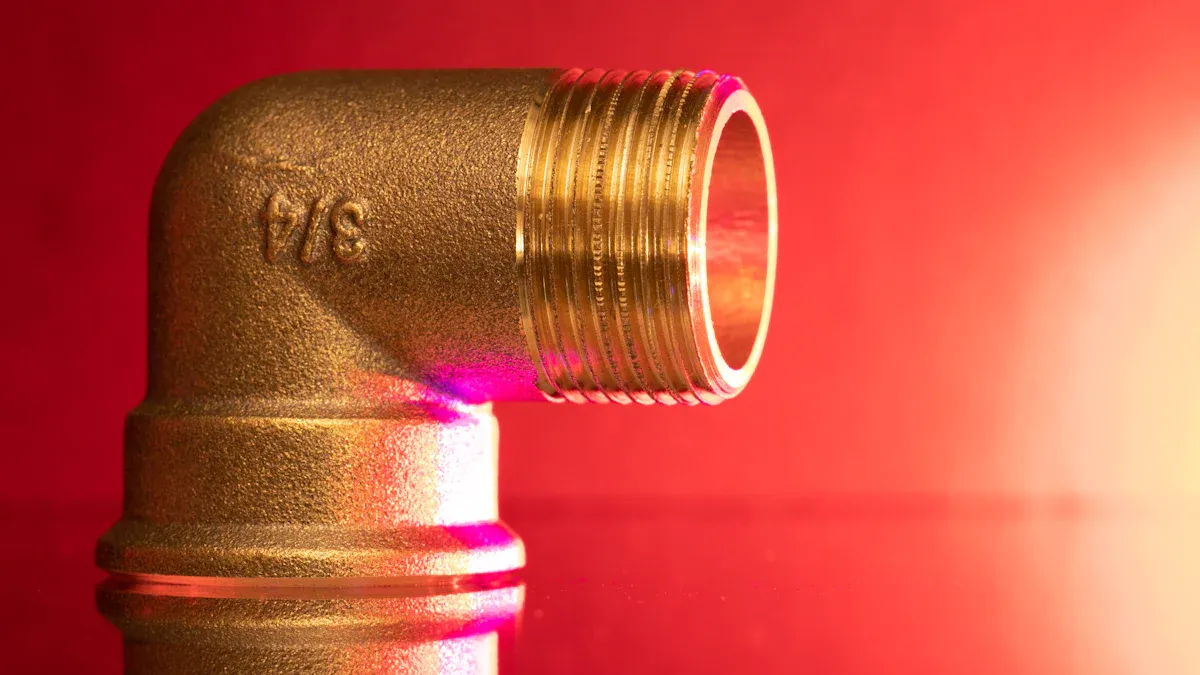
PVC Fittings
Polyvinyl chloride (PVC) fittings are among the most commonly used plastic pipe fittings in plumbing systems. They offer a range of advantages that make them suitable for various applications.
Advantages and Disadvantages of PVC Fittings
Advantages Disadvantages Versatile with various sizes/colors Not resistant to high temperatures Lightweight for easy installation Sensitive to UV rays Durable and resistant to corrosion Can be affected by high pressure/shock Cost-effective for large projects Limited chemical resistance Easy to maintain
PVC fittings typically handle temperatures ranging from 0°C to 60°C (32°F to 140°F) and can withstand pressures up to 150 psi. These properties make them ideal for residential plumbing, irrigation systems, and drainage applications. However, users should avoid exposing PVC to direct sunlight for extended periods, as UV rays can degrade the material over time.
CPVC Fittings
Chlorinated polyvinyl chloride (CPVC) fittings are another popular choice, especially in hot water applications. CPVC offers superior chemical resistance compared to PVC, making it suitable for industrial environments.
Chemical Resistance of CPVC Fittings
Material Chemical Resistance Suitable Applications CPVC Wider range of industrial chemicals Aggressive environments, factories, refineries PVC Suitable for milder chemicals Standard water systems
CPVC fittings excel in applications involving strong acids, alkalis, and oxidizers. They are commonly used in residential hot and cold water systems, industrial applications, fire sprinkler systems, and HVAC systems. Their ability to handle higher temperatures and pressures makes them a reliable choice for demanding plumbing tasks.
PEX Fittings
Cross-linked polyethylene (PEX) fittings have gained popularity due to their flexibility and ease of installation. PEX can handle temperatures up to 200°F and pressures up to 160 psi at 73°F. However, pressure ratings decrease at higher temperatures, dropping to approximately 80 psi at 200°F.
Limitations of PEX Fittings
- PEX fittings can deform or leak if subjected to pressures exceeding their limits.
- High heat can negatively affect the integrity of PEX pipes.
These fittings are ideal for residential plumbing, particularly in retrofitting projects where flexibility is essential. PEX is also resistant to scale and chlorine, making it a durable option for long-term use.
ABS Fittings
Acrylonitrile Butadiene Styrene (ABS) fittings are a popular choice in plumbing systems, particularly for drainage and vent applications. Their unique properties make them suitable for various environments, especially in colder regions.
Key Advantages of ABS Fittings
- Durability: ABS fittings exhibit strong impact resistance, making them ideal for high-stress applications.
- Cold Temperature Resistance: They perform exceptionally well in cold climates, reducing the risk of damage from freezing.
- Chemical Resistance: ABS fittings resist many household chemicals, ensuring longevity in various applications.
However, ABS fittings do have limitations. They are not suitable for high-temperature environments. Prolonged exposure to heat can lead to deformation and weakening of the material.
Common Uses of ABS Fittings
Use Case Description Plumbing Systems Commonly used for drainage, waste, and vent applications in residential settings. Industrial Applications Suitable for transporting wastewater and chemicals due to its resistance to impact and chemicals. Underground Applications Ideal for trenchless installation methods, minimizing disruption during installation.
When comparing ABS fittings to other plastic pipe fittings, such as PVC, several factors come into play. ABS fittings tend to be slightly more expensive than PVC fittings. However, their strength and impact resistance make them a preferred choice in colder environments.
Comparison of ABS and PVC Fittings
Feature ABS Fittings PVC Fittings Durability & Strength Very strong, impact-resistant, holds up well in colder environments. Durable but slightly less impact-resistant than ABS; great for everyday plumbing. Cost Usually slightly more expensive. Generally cheaper and more widely available.
Applications of Plastic Pipe Fittings
Residential Plumbing
Plastic pipe fittings play a crucial role in residential plumbing systems. They are commonly used for various applications, including:
| Type of Pipe | Common Applications | Advantages | Disadvantages |
|---|---|---|---|
| PEX | Hot and cold water delivery, appliances | Flexibility, low cost, maintains pressure | Not suitable for outdoor use |
| PVC | Main supply line, high-pressure water | Cost-effective, widely used | Warps at high temperatures |
| CPVC | Residential drinking water | Higher temperature resistance, flexible | Requires more support |
| HDPE | General plumbing uses | Durable, resists corrosion | Requires heat fusion for joints |
| ABS | Drainage, waste, and vent | Impact-resistant, ideal for outdoor use | Many codes prohibit use |
| PB | Older homes | N/A | Tends to split and leak |
These fittings ensure efficient water delivery and drainage, making them essential for modern homes.
Commercial Plumbing
In commercial plumbing systems, plastic pipe fittings offer several advantages. They provide corrosion resistance, flexibility, and ease of installation. Key considerations include:
- Material Compatibility: Ensure that the selected fittings match the existing pipes to prevent leaks.
- Installation Techniques: Accurate cutting and deburring are vital for optimal performance.
- Compliance: Adhering to local building codes and certification standards is necessary for safety and reliability.
PVC is often used for its durability, while CPVC is preferred for hot water applications. PEX fittings are favored for their flexibility, making them suitable for complex layouts.
Industrial Applications
Plastic pipe fittings find extensive use in industrial settings. They are employed in various applications, including:
- High-pressure storage vessels
- Water distribution systems
- Waste drainage and sewerage systems
- Agricultural drainage and septic tank leach fields
- Rehabilitation of existing sewer and conduit systems
ASTM’s plastic pipe standards define specifications and testing for these fittings, ensuring they meet safety and performance requirements. This compliance is crucial for maintaining operational efficiency in industrial environments.
Compatibility Considerations for Plastic Pipe Fittings
Material Compatibility
Material compatibility is crucial when selecting plastic pipe fittings. Certain materials, such as insulation and adhesives, can compromise the molecular structure of plastic piping. For instance, PEX is particularly susceptible to permeation, allowing harmful chemicals to enter the water supply. In contrast, CPVC does not share this vulnerability.
Important Considerations:
- PEX should avoid contact with organic chemicals, strong acids, or adhesive tapes.
- Variations in material composition can affect fusion welding, leading to weak joints.
- Mismatched materials can result in leaks and system failures.
Ensuring compatibility among materials helps maintain the integrity of plumbing systems. Proper selection prevents costly repairs and enhances overall system performance.
Size and Pressure Ratings
Size and pressure ratings significantly influence the selection of plastic pipe fittings. Proper sizing ensures that the pipe can manage the necessary flow rate without causing excessive pressure drops. Conversely, pressure ratings indicate the maximum internal pressure the pipe can endure at various temperatures.
- Oversized pipes can lead to stagnant water and increased costs.
- Undersized pipes may result in insufficient pressure and high velocities.
- Using components with different pressure ratings can lead to bursts or leaks.
The wall thickness of the pipe also plays a vital role. Thicker walls can tolerate higher pressures, making them suitable for demanding applications. Therefore, it is essential to ensure that all components have the same or higher pressure rating than required. This practice safeguards against potential failures and enhances the reliability of the plumbing system.
Key Factors in Choosing Plastic Pipe Fittings
Durability and Longevity
Durability is a critical factor when selecting plastic pipe fittings. The lifespan of these fittings varies based on the material and environmental conditions. For instance, the average lifespan of different types of plastic pipe fittings under typical usage conditions is as follows:
| Type of Pipe | Average Lifespan (years) |
|---|---|
| HDPE | 50 – 100 |
| PVC | 70 – 100 |
| CPVC | 50 – 75 |
These figures highlight that PVC fittings often provide the longest service life, making them a popular choice for many plumbing applications. However, environmental factors can significantly impact durability. For example, UV exposure can lead to surface degradation, resulting in color changes and reduced impact strength. Prolonged exposure to sunlight can also cause brittleness and cracking, ultimately shortening the lifespan of the fittings.
Important Considerations:
- UV light amplifies the incompatibility of PEX with chlorine compounds.
- It consumes chlorine-inhibiting anti-oxidants, increasing vulnerability to oxidation.
- UV exposure complicates warranty claims as manufacturers exclude it from coverage.
Cost and Budget
Cost is another essential consideration when choosing plastic pipe fittings. The price of fittings can vary significantly based on the material. Here are some general cost comparisons:
- PVC is the most affordable option for plumbing projects.
- PEX is more expensive than both ABS and PVC but offers flexibility and durability benefits.
- ABS is less costly than PEX but more expensive than PVC.
Installation and maintenance costs also play a role in the overall budget. Plastic pipe fittings, particularly PEX, are lighter and easier to install than metal fittings. This ease of installation leads to lower labor costs. Additionally, their durability and resistance to corrosion result in minimal maintenance expenses over time. In contrast, metal fittings often require more frequent maintenance and replacements due to corrosion, making plastic fittings a more cost-effective choice in the long run.
Environmental Impact
The environmental impact of plastic pipe fittings is an increasingly important consideration. Compared to metal alternatives, plastic fittings offer several advantages:
- UPVC fittings have a long lifespan and resist corrosion, leading to fewer replacements.
- Using UPVC reduces non-biodegradable waste in landfills, lessening the environmental burden.
- PVC is recyclable and often made with recycled content.
- PVC production uses less energy than metal manufacturing, leading to a lower environmental impact.
Moreover, the production process of UPVC generates less air and water pollution, minimizing environmental harm. Recyclable options, such as PEX and Green PPR Pipe Fittings, contribute to eco-friendly building projects. PEX pipes can be processed into granules for new construction materials, promoting sustainability. Similarly, PPR fittings are non-toxic and recyclable, helping conserve resources and reduce carbon footprints.
Installation Best Practices for Plastic Pipe Fittings
Tools and Materials Needed
Proper installation of plastic pipe fittings requires specific tools and materials. Here is a list of essential items:
- PVC pipes and fittings
- PVC cement and primer
- Measuring tape
- Pipe cutter or saw
- Deburring tool or sandpaper
- Safety goggles and gloves
Having these tools on hand ensures a smooth installation process and enhances safety.
Step-by-Step Installation Guide
Follow these steps to install plastic pipe fittings effectively:
- Selecting the Right Size and Type: Ensure the diameter of the fittings matches the pipes. Understand the types of fittings available for your specific application.
- Preparing for Installation: Clean all surfaces thoroughly. Dry fit the components to check alignment and mark connections for accuracy.
- Proper Installation Techniques: Use quality adhesive for bonding. Apply even pressure during fitting and allow adequate drying time to ensure a leak-free connection.
These steps help create a reliable plumbing system that functions efficiently.
Common Mistakes to Avoid
Avoiding common pitfalls during installation can save time and prevent costly repairs. Here are some mistakes to watch out for:
- Improper Cleaning or Skipping Primer: Neglecting to clean and prime can interfere with bonding. Always use a PVC primer before applying cement.
- Using the Wrong Type of Cement or Primer: Not all cements are compatible. Match the cement to the application for optimal results.
- Dry Fitting Before Gluing: This can cause weak bonding. Glue immediately after dry-fitting to ensure a strong connection.
- Twisting After Cement Sets: This weakens the joint. Hold in place for 30-60 seconds after joining to secure the bond.
- Over-Tightening Threaded Fittings: This can crack fittings. Hand-tighten and use appropriate thread sealant instead.
- Using Teflon Tape Incorrectly: This can prevent a proper seal. Use a plastic-compatible thread sealant for best results.
- Thermal Expansion or Contraction: This can stress joints. Allow room for movement to accommodate temperature changes.
- Using the Wrong Fitting for the Job: This can lead to leaks. Always use pressure-rated fittings suitable for your application.
- Cutting the Pipe Crooked or Rough: This leads to poor bonding. Make clean, square cuts for better results.
- Not Letting the Joint Cure Properly: This can cause leaks. Follow curing time instructions carefully.
By adhering to these best practices, individuals can ensure a successful installation of plastic pipe fittings.
Plastic pipe fittings offer numerous advantages over traditional metal fittings. They resist corrosion, ensuring a longer lifespan and reducing replacement needs. Their flexibility simplifies installation, making them cost-effective and suitable for various applications. Additionally, plastic fittings withstand a wide range of chemicals, enhancing their reliability in diverse environments.
For complex installations, consulting professionals is advisable. They can provide guidance based on industry standards and best practices.
Making informed choices about plastic pipe fittings significantly impacts plumbing system performance and safety. Selecting certified products ensures compliance with regulations and minimizes risks of leaks or contamination. Prioritizing quality leads to a more efficient and durable plumbing system.
Remember, investing time in research and consultation pays off in the long run!
FAQ
What are the main advantages of using plastic pipe fittings?
Plastic pipe fittings offer corrosion resistance, lightweight properties, and ease of installation. They also provide flexibility, making them suitable for various applications, including residential and commercial plumbing systems.
Can plastic pipe fittings be used for hot water applications?
Yes, certain plastic fittings, such as CPVC and PEX, can handle hot water applications. CPVC fittings withstand higher temperatures, while PEX offers flexibility and durability in hot water systems.
How do I determine the right size of plastic pipe fittings?
To determine the right size, measure the diameter of the existing pipes. Ensure that the fittings match the pipe size to maintain proper flow rates and prevent leaks.
Are plastic pipe fittings environmentally friendly?
Many plastic pipe fittings are recyclable and have a lower environmental impact compared to metal alternatives. Their long lifespan reduces waste, contributing to eco-friendly plumbing solutions.
What tools are necessary for installing plastic pipe fittings?
Essential tools include a pipe cutter or saw, measuring tape, deburring tool, PVC cement, and safety gear like goggles and gloves. These tools ensure a smooth and safe installation process.