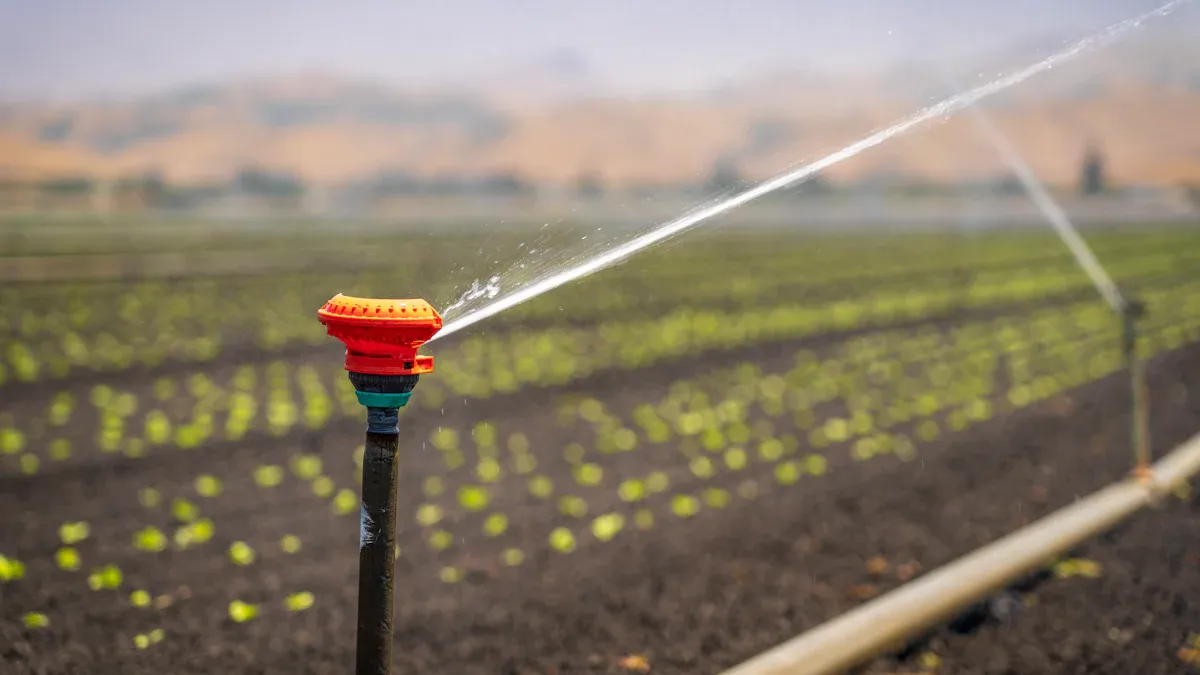
HDPE pipes provide exceptional durability and flexibility compared to PVC, making them a preferred choice for agricultural HDPE pipe applications. Their unique properties, such as leak-free fused joints and chemical resistance, make HDPE irrigation pipe ideal for modern irrigation needs. These features enhance installation efficiency and reduce maintenance costs, contributing to the cost-effectiveness of HDPE pipes for farming. Understanding the benefits of HDPE pipes in modern irrigation systems can aid designers and farmers in selecting the most effective irrigation solutions, including drip irrigation HDPE pipe specifications, for sustainable agricultural practices.
Key Takeaways
- HDPE pipes last longer than PVC pipes, often exceeding 50-100 years, making them a reliable choice for irrigation.
- HDPE pipes resist corrosion from chemicals and environmental factors, ensuring durability and reducing replacement needs.
- The flexibility of HDPE pipes simplifies installation and allows them to adapt to ground movement, minimizing the risk of cracking.
- HDPE pipes feature strong, leak-free joints created through heat fusion, significantly reducing water loss compared to PVC.
- Investing in HDPE pipes leads to lower long-term maintenance costs and enhances sustainability in agricultural practices.
Durability of HDPE Pipes
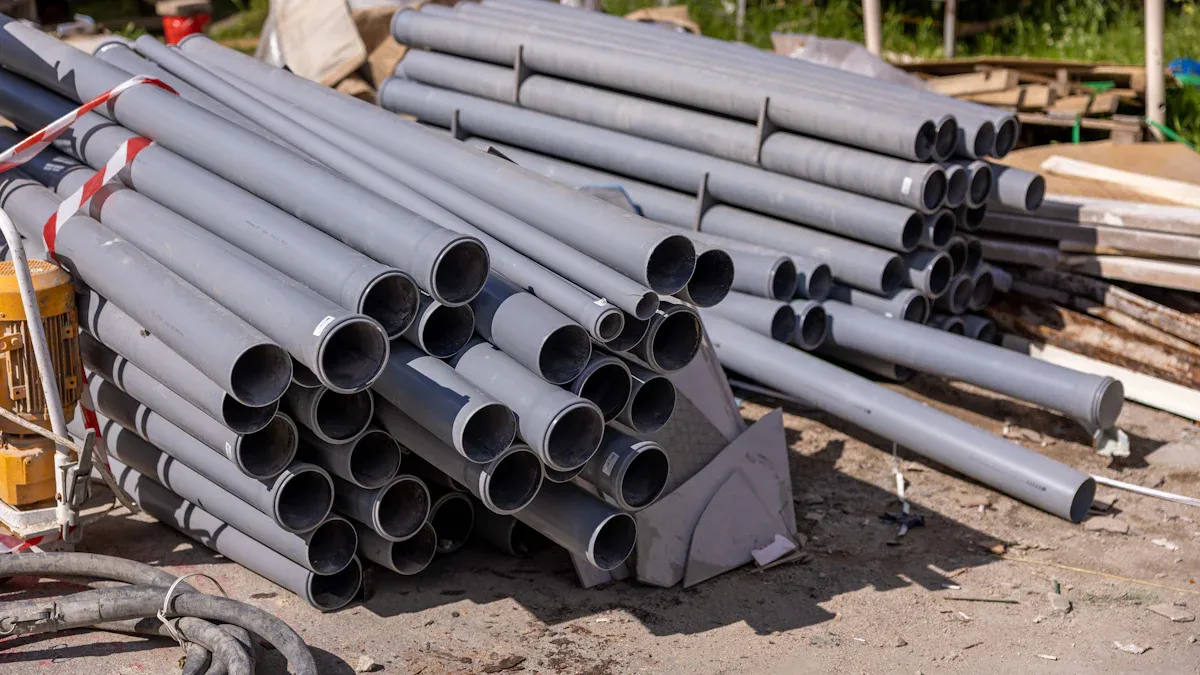
HDPE pipes exhibit remarkable durability, making them a superior choice for modern irrigation systems. Their resistance to various environmental factors contributes significantly to their longevity. Unlike PVC pipes, which can become brittle over time, HDPE pipes maintain their integrity under stress and extreme conditions.
- Lifespan: Both HDPE and PVC pipes have an average lifespan ranging from 50 to 100 years. However, HDPE pipes often exceed this range due to their robust construction.
| Pipe Type | Average Lifespan (Years) |
|---|---|
| HDPE | 50 to 100 |
| PVC | 50 to 100 |
- Performance Under Pressure: HDPE pipes are designed to handle high-pressure applications effectively. Their flexibility allows them to adapt to pressure changes without cracking, unlike PVC pipes, which can be rigid and prone to failure under similar conditions.
| Feature | HDPE Pipes | PVC Pipes |
|---|---|---|
| Flexibility | Highly flexible, can withstand pressure changes | Rigid, susceptible to cracking under pressure |
| Durability | Resistant to corrosion, chemicals, and abrasion | Good resistance but can crack under stress |
| Lifespan | Often exceeds 50 years | Typically 25-40 years |
| Performance in High Pressure | Designed for high-pressure applications | Less suitable for high-pressure environments |
HDPE pipes also excel in extreme weather conditions. They can expand slightly and flex with ice, returning to their original shape after thawing. In contrast, PVC pipes may crack or burst under freeze pressure, leading to costly repairs.
Recent advancements in HDPE manufacturing have further enhanced their durability. Innovations such as advanced extrusion techniques and optimized cooling methods improve production efficiency and reduce defects. These developments ensure that HDPE pipes remain a reliable choice for irrigation systems.
Corrosion Resistance of HDPE Pipes
Corrosion resistance is a critical factor in the longevity of irrigation systems. HDPE pipes excel in this area, offering significant advantages over PVC pipes. Unlike PVC, which can degrade when exposed to certain chemicals, HDPE pipes remain stable and unaffected by many corrosive substances.
Several common chemicals found in irrigation water can impact corrosion rates. These include:
- Fertilizers: They can alter water chemistry, potentially increasing corrosion rates.
- Pesticides: Their presence in irrigation water can also contribute to corrosion.
- Dissolved oxygen, salts, and acids: High levels of these elements can accelerate corrosion processes.
- Calcium and magnesium: Found in hard water, they can lead to scale deposits that cause localized corrosion.
HDPE pipes resist these corrosive agents effectively. Their molecular structure provides a barrier against chemical reactions that typically affect other materials. This resistance ensures that HDPE pipes maintain their integrity over time, reducing the need for frequent replacements.
In addition to chemical resistance, HDPE pipes also withstand environmental factors such as soil acidity and salinity. These conditions can significantly impact the performance of PVC pipes, leading to premature failure. The flexibility of HDPE pipes allows them to adapt to shifting soil conditions without cracking, further enhancing their durability.
Overall, the corrosion resistance of HDPE pipes makes them a reliable choice for modern irrigation systems. Their ability to withstand harsh chemicals and environmental conditions ensures that they provide long-lasting performance, ultimately benefiting agricultural operations.
Flexibility of HDPE Pipes
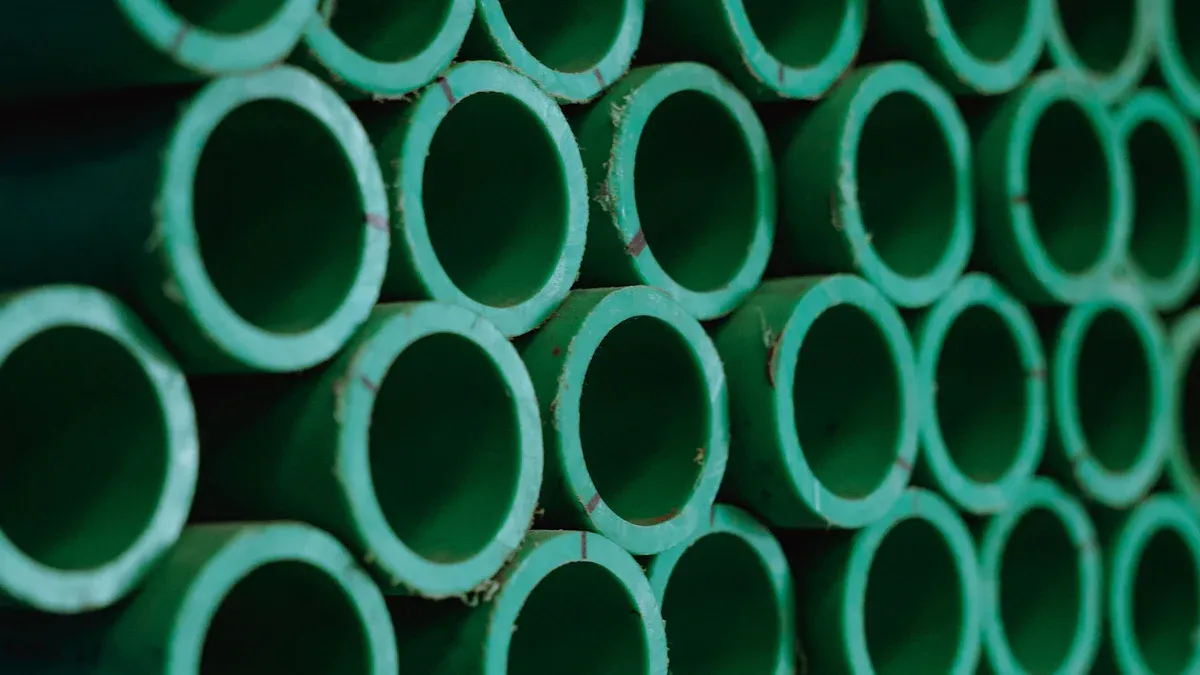
Flexibility is one of the standout features of HDPE pipes, making them an ideal choice for modern irrigation systems. This characteristic allows HDPE pipes to navigate around obstacles easily, reducing the need for additional fittings. Consequently, this flexibility simplifies the installation process and enhances the pipe’s durability in varying climates, particularly in regions prone to freezing.
In contrast, PVC pipes lack this level of flexibility. Their rigidity can lead to installation difficulties, especially in colder conditions where they may crack. The installation of PVC pipes often requires solvent cement, which adds complexity and increases the likelihood of errors.
The inherent flexibility of HDPE allows it to be maneuvered easily, making it particularly useful in applications where the pipe needs to bend around corners or obstacles. This adaptability is a significant advantage over the rigidity of PVC.
When considering bend radius specifications, HDPE pipes can bend to a tighter radius without compromising structural integrity. The minimum bend radius for HDPE pipes is typically at least 25 times the outside diameter of the pipe. This flexibility ensures that HDPE pipes can withstand various installation scenarios without kinking or breaking, unlike PVC pipes, which are more susceptible to damage under similar bending conditions.
Overall, the flexibility of HDPE pipes not only facilitates quicker and more efficient installations but also contributes to the long-term reliability of irrigation systems. This adaptability makes HDPE pipes a superior choice for agricultural applications.
Leak Resistance of HDPE Pipes
Leak resistance is a crucial factor in the effectiveness of irrigation systems. HDPE pipes excel in this area due to their advanced jointing methods. Unlike PVC pipes, which often rely on solvent cement, HDPE pipes utilize heat fusion techniques. This method creates strong, seamless joints that significantly reduce the risk of leaks.
The following table illustrates the leak prevention capabilities of both pipe types:
| Pipe Type | Jointing Method | Leak Prevention Capability |
|---|---|---|
| PVC | Solvent Cement | Can degrade over time |
| HDPE | Heat Fusion | Strong, seamless joints |
The heat fusion process involves melting the edges of the HDPE pipe and fusing them together. This creates a bond that is as strong as the pipe itself, ensuring that leaks are virtually eliminated. In contrast, PVC joints can weaken over time, leading to potential leaks and costly repairs.
Additionally, HDPE pipes employ various joining techniques, such as electrofusion welding, to further enhance leak resistance. These methods provide strong, leak-free seals that outperform traditional PVC connections. The following table summarizes the joining techniques used for both pipe types:
| Pipe Type | Joining Techniques | Leak Prevention |
|---|---|---|
| HDPE | Heat fusion, Electrofusion welding | Strong, leak-free seals |
| PVC | Cement, Adhesive, Mechanical fittings, Threaded connections | Reliable sealing, may require additional fittings |
The superior leak resistance of HDPE pipes not only minimizes water loss but also reduces the risk of soil erosion and nutrient runoff. This characteristic is particularly beneficial in agricultural settings, where maintaining water efficiency is essential for crop health.
Maintenance Needs of HDPE Pipes
Maintaining irrigation systems is crucial for optimal performance. HDPE pipes require less maintenance compared to PVC pipes, making them a more efficient choice for agricultural applications. The flexibility of HDPE allows it to expand and contract without cracking, which is particularly beneficial in regions that experience freeze-thaw cycles. This adaptability reduces the likelihood of failures, leading to lower maintenance needs.
In contrast, PVC pipes often require careful installation due to their reliance on toxic materials. They are brittle and prone to cracking under impact, which can lead to costly repairs. The following table summarizes the maintenance requirements and advantages of both pipe types:
| Pipe Type | Maintenance Requirements | Advantages |
|---|---|---|
| PVC | Requires careful installation with toxic materials; brittle and prone to cracking under impact; not flexible in freeze-thaw cycles. | Precise fitting connections; widely available replacement parts. |
| HDPE | Flexible, can expand and contract without cracking; less prone to failure in freeze-prone regions. | UV resistant; recyclable; fewer fittings needed due to flexibility. |
Over a 10-year period, the long-term maintenance costs for HDPE pipes are generally lower than those for PVC pipes. Although HDPE pipes may have a higher initial cost, their durability and reduced maintenance needs lead to significant savings over time. The following table illustrates the cost comparison:
| Pipe Type | Initial Cost | Long-term Maintenance Costs | Lifespan |
|---|---|---|---|
| HDPE | Higher | Lower | Longer |
| PVC | Lower | Higher | Shorter |
Overall, the maintenance needs of HDPE pipes make them a practical choice for modern irrigation systems. Their resilience and lower maintenance requirements contribute to their long-term effectiveness and cost efficiency.
Cost-Effectiveness of HDPE Pipes
Cost-effectiveness plays a vital role in selecting materials for irrigation systems. While HDPE pipes have a moderate initial installation cost, they offer significant long-term savings. In contrast, PVC pipes may appear cheaper upfront but can lead to higher expenses over time due to maintenance and replacement needs.
| Factor | HDPE Pipes | PVC Pipes |
|---|---|---|
| Initial Cost | Moderate | Low |
The initial investment in HDPE pipes pays off through their durability and lower operational costs. Here are some key points regarding the cost-effectiveness of HDPE pipes:
- HDPE pipes have lower long-term operational costs compared to PVC pipes due to their durability.
- They require less maintenance, leading to cost savings over time.
- HDPE pipes have a longer lifespan, reducing the frequency of replacements and repairs.
Investing in HDPE pipes can result in fewer disruptions in irrigation systems. This reliability translates into consistent crop yields and reduced labor costs associated with repairs.
Furthermore, the advanced manufacturing techniques used in producing HDPE pipes enhance their performance and longevity. This means that farmers and agricultural businesses can expect a return on investment that justifies the initial expenditure.
Environmental Impact of HDPE Pipes
The environmental impact of HDPE pipes presents significant advantages over PVC pipes, particularly in irrigation systems. One of the most notable benefits is the recyclability of HDPE.
- HDPE pipes are fully recyclable, making them an environmentally friendly option.
- Most HDPE piping can be recycled after its initial use, allowing for repeated reuse.
- In contrast, PVC pipes’ recyclability is not explicitly mentioned, indicating a potential limitation in their environmental benefits.
Additionally, the manufacturing process of HDPE pipes results in a lower carbon footprint compared to PVC.
- The production of polyethylene pipes, particularly HDPE, generally requires less energy than PVC.
- HDPE manufacturing results in lower carbon emissions since it does not involve chlorine production, unlike PVC.
- The raw materials for PVC, which include fossil fuels and chlorine, contribute to higher energy consumption and greenhouse gas emissions.
The following table summarizes the environmental impact of both pipe types:
| Feature | HDPE Pipes | PVC Pipes |
|---|---|---|
| Recyclability | Fully recyclable | Limited recyclability |
| Carbon Footprint | Lower emissions | Higher emissions |
| Water Conservation | Reduced water loss | Higher water loss |
| Energy Consumption | Lower due to smooth interior | Higher due to rough interior |
Furthermore, HDPE pipes contribute to water conservation in irrigation systems. Their durability and leak resistance virtually eliminate leakage, which is a common issue with PVC pipes. This characteristic not only conserves water but also enhances the overall efficiency of irrigation systems.
HDPE pipes offer significant advantages over PVC in modern irrigation systems. Their exceptional durability, flexibility, and cost-effectiveness make them a smart choice for agricultural applications.
- Key Benefits of HDPE Pipes:
- Longer lifespan of 50-100 years compared to PVC’s 20-50 years.
- Superior corrosion resistance, ensuring longevity and reliability.
- Flexible design that adapts to ground movement, reducing the risk of cracking.
Farmers and irrigation professionals increasingly favor HDPE pipes for their efficiency and performance. As water scarcity becomes a pressing issue, considering HDPE for future irrigation projects will enhance sustainability and productivity.
FAQ
What are the main advantages of HDPE pipes over PVC pipes?
HDPE pipes offer superior durability, flexibility, and corrosion resistance compared to PVC pipes. They also provide better leak resistance and require less maintenance, making them a more cost-effective choice for modern irrigation systems.
How long do HDPE pipes last?
HDPE pipes typically last between 50 to 100 years, often exceeding this range due to their robust construction. This longevity makes them a reliable option for irrigation systems.
Are HDPE pipes environmentally friendly?
Yes, HDPE pipes are fully recyclable and have a lower carbon footprint compared to PVC pipes. Their durability and leak resistance also contribute to water conservation, enhancing their environmental benefits.
Can HDPE pipes handle high-pressure applications?
Absolutely! HDPE pipes are designed to withstand high-pressure applications effectively. Their flexibility allows them to adapt to pressure changes without cracking, unlike PVC pipes.
What joining methods are used for HDPE pipes?
HDPE pipes utilize heat fusion and electrofusion welding for joining. These methods create strong, seamless joints that significantly reduce the risk of leaks, outperforming traditional PVC connections.