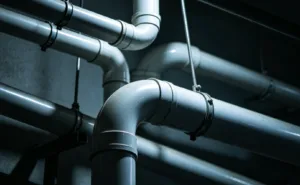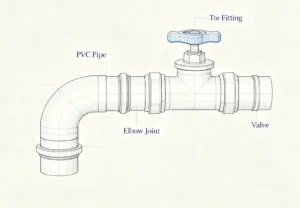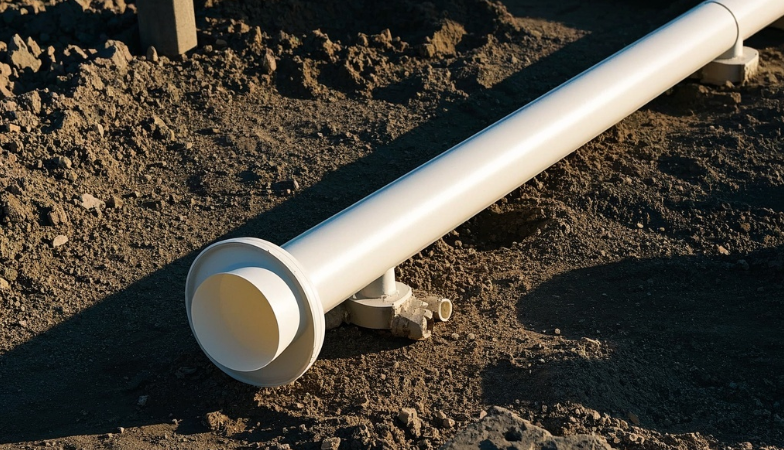
High-density polyethylene (HDPE) emerges as a highly sustainable material for modern plumbing. Its exceptional durability ensures long-term performance. Superior recyclability also makes it an environmentally responsible choice. HDPE’s ability to create leak-proof systems significantly reduces water waste. These attributes collectively minimize environmental impact. For instance, Industrial Pipe Fittings made from HDPE offer robust solutions. Plastic Pipe Fittings, including HDPE Pipe Fittings, provide reliable connections. Consider how Compression Fittings simplify assembly. People often ask, “How do HDPE fittings reduce installation costs compared to metal?” They streamline processes and require less heavy equipment. Furthermore, “Is HDPE pipe fitting 100% recyclable?” Yes, it is, contributing to a circular economy.
Key Takeaways
- HDPE pipes last a long time. They resist damage from chemicals and impacts. This means fewer replacements and less waste.
- HDPE is good for the environment. It uses less energy to make. You can also recycle it completely after use.
- HDPE plumbing systems do not leak. They have special joints that stop water from escaping. This saves a lot of water.
- HDPE is safe for drinking water. It does not put bad chemicals into the water. This keeps your water clean and healthy.
Exceptional Durability and Longevity in Plumbing
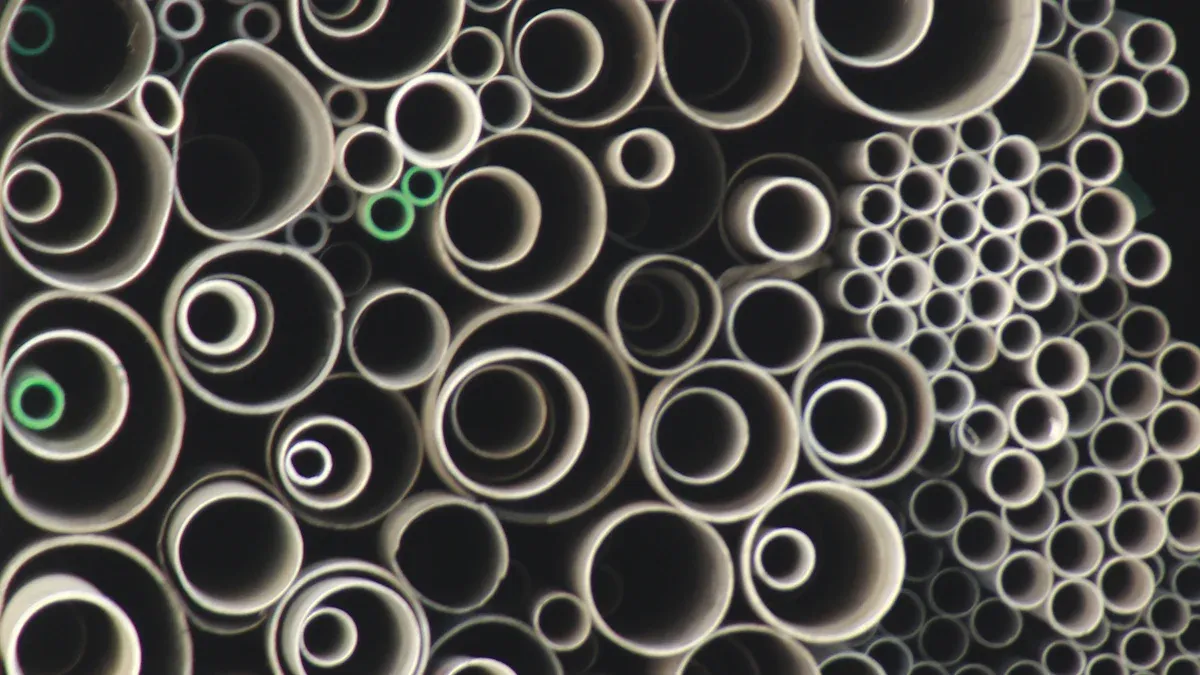
HDPE stands out in plumbing applications due to its remarkable durability and extended lifespan. These characteristics ensure reliable performance over many decades, significantly reducing the need for frequent replacements and associated environmental impacts.
Resistance to Corrosion and Chemicals
HDPE pipes exhibit excellent resistance to a wide array of corrosive agents and chemicals. This inherent property makes them ideal for diverse plumbing environments where other materials might degrade. For instance, HDPE effectively withstands common substances found in water and soil.
| Chemical Agent | Resistance Level |
|---|---|
| Acids | Excellent |
| Bases | Excellent |
| Salts | Excellent |
| Oxidizing Agents | Good |
| Organic Solvents | Variable |
This strong chemical resistance prevents internal and external pipe degradation, ensuring the integrity of the plumbing system over time.
High Impact Strength and Flexibility
The physical properties of HDPE contribute significantly to its robustness. HDPE pipes possess high impact strength, which allows them to withstand external pressures and physical shocks without cracking or breaking. Their inherent flexibility also offers substantial advantages.
- HDPE pipes are highly flexible, which simplifies installation and handling during construction.
- Their flexibility allows for easy bending, reducing the need for additional fittings.
- This characteristic makes them an economical choice due to reduced material and labor costs.
- The flexibility of HDPE pipes enables easy bending and installation without requiring heavy-lifting equipment.
- This flexibility makes them well-suited for dynamic soils and regions prone to earthquakes.
This combination of strength and flexibility makes HDPE a resilient choice for various plumbing needs, including robust Industrial Pipe Fittings.
Extended Service Life Reducing Replacements
HDPE plumbing systems offer an exceptionally long service life, often surpassing traditional materials. This longevity translates directly into fewer replacements and reduced resource consumption over the system’s lifetime.
| Material | Lifespan (Years) |
|---|---|
| HDPE | 50-100+ |
| Copper | 40-75 |
| Cast Iron | 50-75 |
| Galvanized Steel | 30-50 |
HDPE pipe typically lasts 50-100 years in most applications, with some installations remaining serviceable beyond 100 years. This exceptional longevity stems from HDPE’s inherent corrosion resistance, flexibility, and fatigue resistance. It provides a significantly longer service life than metallic alternatives in corrosive environments. In contrast, PVC has limitations in impact resistance and temperature, and copper is susceptible to pitting corrosion. This extended lifespan makes HDPE a highly sustainable option.
Superior Recyclability and Energy Efficiency
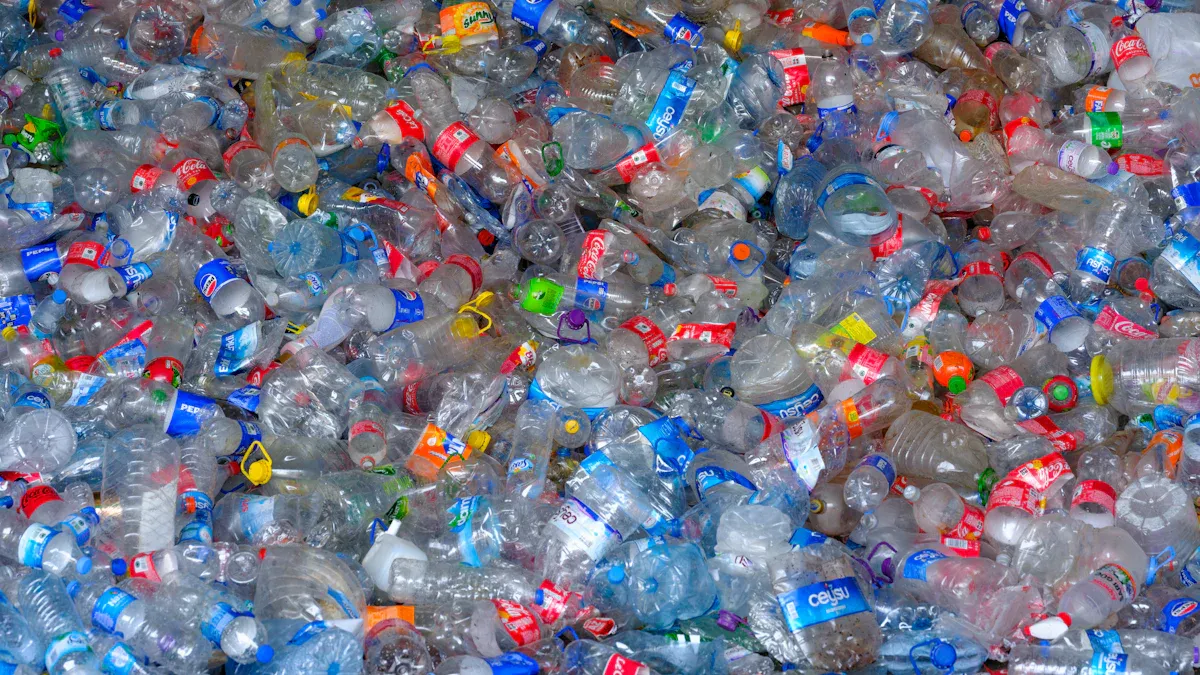
HDPE’s environmental benefits extend significantly to its recyclability and energy efficiency. These characteristics make it a truly sustainable choice for plumbing systems. The material’s lifecycle demonstrates a commitment to resource conservation and reduced environmental impact.
Low Energy Manufacturing Process
Manufacturing HDPE pipes consumes less energy than producing steel or copper pipes. HDPE, a thermoplastic, melts at lower temperatures. Metals, in contrast, demand high temperatures for smelting and forming. This difference significantly reduces energy consumption during production. Additionally, HDPE’s lightweight nature reduces the energy required for transporting raw materials to manufacturing facilities. This further contributes to its lower overall energy footprint compared to heavier alternatives like metals.
Fully Recyclable Material at End-of-Life
HDPE is a fully recyclable material at its end-of-life. This capability supports a circular economy. Several methods facilitate its recycling. Mechanical recycling is the most common. It involves collecting, cleaning, sorting, and repurposing post-consumer or post-industrial plastic into new products. Solvent recycling uses solvents to separate and purify plastic waste. This process removes contaminants. Advanced recycling breaks plastic down into its original chemical building blocks. These blocks create new polymers or fuels. For example, used HDPE Industrial Pipe Fittings undergo a specific process. First, collection and sorting gather the fittings. Then, cleaning and shredding remove debris and reduce size. Finally, melting and extrusion transform the shredded material into pellets for new HDPE products.
Reduced Waste Generation and Resource Demand
HDPE plumbing significantly reduces waste generation. Its extended service life and full recyclability contribute to this reduction. HDPE pipes are 100% recyclable. This directly leads to less waste. Their long lifespan and low maintenance needs mean less frequent replacements. This minimizes resource consumption over time. In-plant pipe that does not meet specifications or material leftover from production is reground. Manufacturers then reuse this material in new pipe manufacturing. This practice minimizes material waste. Future plans include incorporating post-consumer recycled plastics into conduit production. This further reduces waste and supports a closed-loop system.
Leak-Proof Systems and Water Conservation
HDPE plumbing systems excel at preventing leaks, which directly contributes to significant water conservation. Their unique joining methods and inherent material properties ensure water stays within the pipes, reducing waste and environmental impact.
Fused Joints for Zero Leakage
HDPE pipes create truly leak-proof systems through their advanced joining technology. Butt fusion welding is the “gold standard” for these pipeline systems. This method forms strong, seamless, and monolithic joints. It fuses pipe ends under heat and pressure. These fused joints become as robust as the pipe itself. They eliminate weak points and the need for additional materials like adhesives or rubber gaskets. This process ensures 100% leak-free joining. It is ideal for critical applications where preventing leaks is paramount. These applications include urban water networks, gas systems, wastewater collection, and agricultural irrigation. Fused joints offer consistent strength and reliability. They weld material into the pipe wall, providing constant strength throughout the joint. This holds true even under high stress and pressure. Unlike mechanical joints or glued systems, properly executed HDPE butt fusion joints have no leakage possibility. This ensures pipeline integrity for decades.
Prevention of Water Loss and Waste
The inherent leak-proof nature of HDPE systems directly prevents water loss and waste. Traditional plumbing materials often suffer from leaks at joints or due to corrosion, leading to significant water wastage. HDPE’s seamless connections and resistance to degradation ensure that every drop of water reaches its intended destination. This efficiency is crucial for sustainable water management, especially in regions facing water scarcity. By eliminating leaks, HDPE systems help preserve valuable water resources and reduce the energy required for water treatment and pumping.
Reduced Maintenance and Repair Needs
HDPE plumbing systems require minimal maintenance and repair, especially compared to traditional materials. Their exceptional durability and resistance to corrosion mean fewer interventions over their long lifespan. HDPE pipes typically last over 100 years. They will not require the same maintenance or repairs as other systems. For example, concrete pipes often need invasive repairs every 15-20 years. Degradation can begin in just 10 years for concrete. HDPE’s robust nature and leak-free Industrial Pipe Fittings significantly reduce the need for frequent pressure tests or regular cleaning. This translates into lower operational costs and less disruption to service.
Safety, Environmental Purity, and Industrial Pipe Fittings
HDPE offers significant advantages in plumbing due to its inherent safety and environmental purity. Its material composition ensures water remains clean and free from contaminants. This makes it a responsible choice for various applications, including critical water supply systems.
Non-Toxic and Inert Material Composition
HDPE’s molecular structure makes it a non-toxic and inert material. It does not react with water or other common substances. This chemical stability ensures the material itself does not introduce contaminants into the water stream. Various certifications confirm this non-toxic nature for plumbing applications. These include NSF/ANSI 61 Certification in North America, WRAS Certification in the UK, and DVGW Certification in Germany. The ISO 4427 International Standard also provides global guidelines for polyethylene pipeline systems. China’s GB/T 17219-1998 standard specifies limits for leachable substances, toxicity, and odor for HDPE fittings.
No Leaching of Harmful Substances into Water
HDPE pipes maintain water purity effectively. They do not leach harmful substances into treated water. Studies confirm HDPE does not leach hormone-disrupting chemicals or carcinogenic substances into water. This inertness prevents biofilm formation. Biofilm can reduce pipe capacity and cause water quality issues. HDPE’s smooth interior surface also prevents biological growth and mineral deposition. This maintains consistent flow capacity throughout the system’s operational life. It also ensures optimal hydraulic characteristics. Unlike metallic materials, HDPE’s Manning’s coefficient remains constant throughout its service life, ensuring sustained efficiency.
Safe for Potable Water Applications
HDPE is a safe choice for potable water applications. Numerous standards and regulations certify its use. These include NSF 14 and NSF 61. AWWA Standards C-901 and C-906 also apply to HDPE piping for water systems. ASTM D2737, ASTM F714, and ASTM D3035 are other relevant standards. These certifications ensure HDPE meets strict health and safety requirements for drinking water. This makes it a reliable material for water distribution, including in Industrial Pipe Fittings. HDPE does not generate PFAS or degrade into microplastics. Its zero-leak fusion joints prevent infiltration and exfiltration. This ensures treated drinking water remains safe.
HDPE’s durability, recyclability, water conservation, and safety make it a leading sustainable material for modern plumbing. Its environmental benefits and long-term performance offer a responsible choice for efficient water management. Choosing HDPE significantly contributes to greener construction practices and resource preservation. This material ensures reliable, eco-friendly infrastructure for the future.
FAQ
Is HDPE safe for drinking water applications?
Yes, HDPE is very safe for drinking water. It is a non-toxic, inert material. It does not leach harmful chemicals into the water. Many international standards and certifications confirm its safety for potable water systems.
How does HDPE contribute to water conservation?
HDPE creates leak-proof systems. Its fused joints eliminate potential leak points. This prevents water loss and waste. The material’s durability also reduces the need for repairs. This ensures efficient water delivery and conserves valuable resources.
Can you recycle HDPE plumbing materials?
Yes, HDPE is fully recyclable at its end-of-life. Recycling processes convert used HDPE into new products. This reduces waste generation. It also decreases the demand for new raw materials. This supports a circular economy.
What is the typical lifespan of HDPE plumbing?
HDPE plumbing systems offer an exceptionally long service life. They often last 50 to 100 years or more. This extended lifespan results from HDPE’s resistance to corrosion, chemicals, and impact. It significantly reduces the need for frequent replacements.
How does HDPE’s manufacturing process impact the environment?
HDPE manufacturing uses less energy than producing metal pipes. It melts at lower temperatures. This reduces energy consumption during production. Its lightweight nature also lowers transportation energy needs. This contributes to a smaller environmental footprint.