
How Can You Prevent Leaks in Plastic Plumbing Systems?
Preventing leaks in plastic plumbing systems requires proper material selection, correct installation techniques, and regular maintenance practices. Plastic pipes such as PVC, CPVC, HDPE, and PPR are widely used in residential and commercial applications due to their corrosion resistance and cost-effectiveness, yet leaks still occur without proper handling. This comprehensive guide provides actionable strategies to prevent leaks and extend the service life of plastic plumbing installations. For additional technical resources on plumbing system design, developers may refer to

Understanding Common Causes of Leaks in Plastic Pipes
Thermal expansion and contraction ranks among the primary causes of leaks in plastic plumbing systems. When hot water flows through pipes, the material expands; when the system cools, it contracts. This repeated stress creates micro-cracks at joints and connection points over time. According to industry data, approximately 70% of plastic pipe failures originate from thermal-related stress at connection points.
Chemical degradation from incompatible substances also compromises pipe integrity. Certain solvents, adhesives, and cleaning chemicals can weaken plastic materials, creating vulnerable spots that eventually develop leaks. System installers must verify chemical compatibility between all materials in contact with the plumbing network.
Physical damage during installation or maintenance operations represents another significant leak source. Impact damage, excessive bending, or improper handling creates stress concentrations that may not manifest as leaks immediately but weaken the system over time. Regular inspection protocols help identify this damage before catastrophic failures occur. Organizations like the NIST provide guidance on establishing robust inspection and maintenance protocols for critical infrastructure.
Selecting the Right Plastic Pipe Materials
Material selection directly influences leak prevention in plastic plumbing systems. Each plastic type offers distinct properties suited for specific applications. PVC (Polyvinyl Chloride) pipes excel in cold water distribution and drain-waste-vent systems, offering excellent chemical resistance and low material cost.
CPVC (Chlorinated Polyvinyl Chloride) handles higher temperature applications up to 200°F, making it suitable for hot water lines. The chlorination process improves thermal stability but requires specific solvent cement formulations for joining. Quality CPVC pipe fittings ensure proper thermal resistance throughout the system.
HDPE (High-Density Polyethylene) provides exceptional flexibility and impact resistance, performing well in underground installations and areas prone to ground movement. The material’s smooth interior surface minimizes pressure losses and reduces the risk of scale buildup that can stress connection points.
PPR (Polypropylene Random Copolymer) offers excellent temperature and pressure ratings for residential hot and cold water distribution. PPR pipe fittings provide reliable connections when properly installed. Both PPR economical fittings and PPR standard fittings are available, with standard fittings offering enhanced pressure ratings for demanding applications.
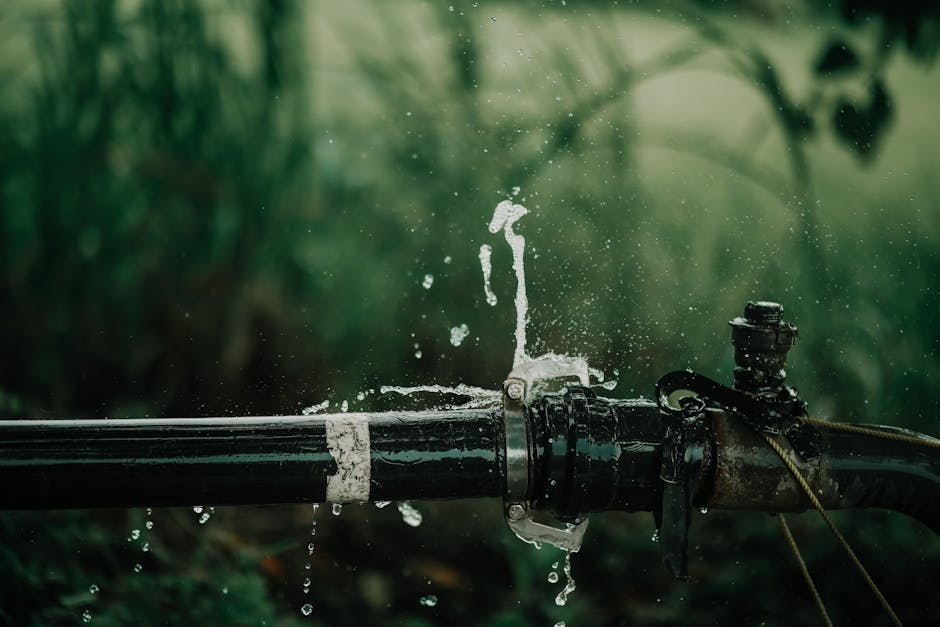
Proper Installation Techniques for Leak Prevention
Surface preparation constitutes the foundation of leak-free plastic plumbing installations. Pipes and fittings must be clean, dry, and free from surface contaminants before joining. Any scratches, gouges, or surface irregularities on the pipe end should be removed, as these create stress concentrations that may lead to future failures.
For solvent cement joining of PVC and CPVC systems, the following preparation steps ensure reliable connections:
- Cut pipes square using appropriate pipe cutters or saws with fine teeth
- Remove all burrs and bevel the pipe end at approximately 15-degree angle
- Clean both the pipe exterior and fitting interior with manufacturer-recommended primer
- Apply solvent cement evenly to both surfaces within the specified pot life
- Assemble joints promptly and hold until initial set occurs
Heat fusion joining of HDPE and PPR systems requires precise temperature control and consistent fusion times. Poor fusion technique creates weak points susceptible to leak development. Operators should follow manufacturer specifications for heating temperatures, open times, and pressure application during fusion cycles.
HDPE pipe fittings connected through proper electrofusion or butt fusion techniques achieve joint strengths exceeding the pipe itself, eliminating potential leak points when correctly executed. Compression fittings offer a reliable alternative for applications requiring disassembly, with PP compression pipe fittings providing secure connections without special equipment.
Supporting and Protecting Plastic Pipes
Proper pipe support prevents sagging, excessive movement, and stress at connection points. Support spacing depends on pipe diameter, material, and operating temperature. Inadequate support allows pipes to bow between supports, creating stress concentrations at fittings that may develop into leaks over time. Web accessibility standards such as WCAG 2.1 emphasize the importance of proper documentation and standards compliance, which parallels the need for following established installation guidelines.
The following table provides recommended support spacing for common plastic pipe materials:
| Pipe Material | Nominal Diameter | Maximum Support Spacing (ft) | Notes |
|---|---|---|---|
| PVC (Cold Water) | 1/2″ – 1″ | 4 | Increase spacing for larger diameters |
| CPVC (Hot Water) | 1/2″ – 1″ | 3 | Reduced spacing due to thermal expansion |
| HDPE | 1/2″ – 2″ | 4 | Flexible material tolerates more movement |
| PPR | 1/2″ – 1″ | 3.5 | Consider thermal expansion compensation |
Expansion joints or flexible connectors accommodate thermal movement in long straight runs. Without these accommodations, thermal cycling creates cyclic stress that eventually manifests as leaks at the weakest points in the system. Strategic placement of expansion loops or elbows absorbs movement and protects fixed connection points.
Protection from physical damage requires proper burial techniques for underground installations and physical barriers for exposed piping in vulnerable locations. Install warning tape and protective conduit above buried plastic pipes to alert future excavators and prevent accidental damage.
Quality PVC pipe fittings and Material Standards
Material quality directly affects leak susceptibility in plastic plumbing systems. Pipes and fittings should comply with relevant industry standards such as ASTM, NSF, and ISO specifications for their intended applications. Products meeting these standards undergo testing for pressure ratings, temperature resistance, and long-term durability under simulated service conditions.
Quality indicators for plastic plumbing materials include uniform wall thickness, consistent dimensions, smooth interior surfaces, and proper marking with manufacturer identification, material type, pressure rating, and relevant standards compliance. Purchasing from reputable suppliers reduces the risk of acquiring substandard materials that increase leak probability. Wikipedia provides additional background information on quality standards and industry best practices that can inform purchasing decisions.
Regular Maintenance and Inspection Protocols
Scheduled inspection and maintenance prevents small issues from developing into major leaks. Visual inspections should check for signs of moisture, discoloration, bulging, or stress at connection points. Annual pressure testing helps identify hidden leaks before they cause property damage.
Maintenance best practices for plastic plumbing systems include:
- Insulating hot water pipes to reduce thermal stress and energy losses
- Flushing systems periodically to remove sediment and scale buildup
- Checking and maintaining proper water pressure within system ratings
- Verifying grounding connections for metallic components in contact with plastic
- Inspecting supports and hangers for corrosion or loosening
Prompt repair of minor issues prevents escalation. Small drips at connection points often indicate improper installation or material degradation requiring attention. Delaying repairs allows water damage to accumulate and may indicate systemic problems requiring comprehensive remediation.
Conclusion
Preventing leaks in plastic plumbing systems requires attention throughout the product lifecycle, from material selection through installation and ongoing maintenance. Quality materials, proper installation techniques, adequate support, and regular inspection combine to create leak-resistant systems that provide reliable service over their intended lifespan. By understanding the specific requirements of each plastic material and following established best practices, installers and property owners can significantly reduce leak incidents and associated repair costs.
Frequently Asked Questions
What causes most leaks in plastic plumbing systems?
Most leaks in plastic plumbing systems result from improper installation, thermal stress at joints, chemical degradation, or physical damage. Proper surface preparation, correct joining techniques, and appropriate material selection for the application significantly reduce leak risk.
How often should plastic plumbing systems be inspected?
Visual inspections should occur annually, with comprehensive pressure testing recommended every 3-5 years for residential systems. Commercial installations may require more frequent monitoring based on system age and operating conditions.
Can plastic pipes and fittings of different materials be connected directly?
Direct connection of dissimilar plastic materials requires compatible joining methods specified by manufacturers. Adapters and transition fittings exist for joining different plastic types, but compatibility must be verified to prevent chemical reactions or galvanic issues.
What is the typical service life of plastic plumbing systems?
Properly installed plastic plumbing systems typically last 50-100 years under normal operating conditions. PVC and CPVC systems commonly exceed 50 years, while HDPE and PPR systems often achieve 75-100 years with appropriate installation and maintenance.
How do temperature changes affect plastic pipe leak risk?
Temperature fluctuations cause plastic pipes to expand and contract, creating cyclic stress at connection points. This thermal cycling represents a primary cause of long-term leak development. Proper support spacing, expansion accommodations, and material selection for expected temperature ranges mitigate this risk.


