Industrial PVC ball valves are vital components in chemical processing systems, offering corrosion-resistant PVC valve solutions that significantly enhance performance and reliability. Understanding PVC ball valve application in chemical industry is key, as these valves effectively manage the flow of corrosive fluids and gases. When considering how to choose industrial PVC ball valve, factors such as durability and chemical compatibility must be evaluated. To ensure optimal use, it is important to know what chemical media are industrial PVC ball valves suitable for and how to evaluate the corrosion resistance of industrial PVC ball valves. With the market for these valves expected to grow substantially, the demand for dependable industrial PVC ball valve solutions continues to increase.
Key Takeaways
- Industrial PVC ball valves offer excellent corrosion resistance, making them ideal for handling aggressive chemicals in chemical processing systems.
- These valves are lightweight and cost-effective, simplifying installation and reducing overall expenses for businesses.
- With lower maintenance needs and a long lifespan, industrial PVC ball valves enhance reliability and efficiency in operations.
Overview of Industrial PVC Ball Valves
Definition and Functionality
Industrial PVC ball valves serve as essential components in various chemical processing systems. These valves utilize a spherical disc, or ball, to control fluid flow. When the ball is rotated, it either allows or blocks the passage of fluids. This simple yet effective mechanism ensures reliable operation in demanding environments. The design of industrial PVC ball valves makes them particularly suitable for handling corrosive substances, which are common in chemical applications.
Key Features of Industrial PVC Ball Valves
Industrial PVC ball valves boast several key features that enhance their performance and reliability:
- Corrosion Resistance: PVC material provides excellent resistance to aggressive chemicals, making these valves ideal for harsh environments.
- Lightweight Design: Compared to metal valves, PVC ball valves are significantly lighter, simplifying installation and maintenance.
- Cost-Effectiveness: Generally, industrial PVC ball valves come at a lower cost than their metal counterparts, offering a budget-friendly solution for many applications.
- Chemical Compatibility: These valves can handle a wide variety of chemicals, ensuring versatility in different processing systems.
- Advanced Sealing Mechanism: The use of elastomeric seals enhances the sealing capability, reducing the risk of leaks.
- Lower Maintenance Frequency: Due to their durability, PVC ball valves require less frequent maintenance compared to metal valves.
The following table summarizes the comparison between industrial PVC ball valves and metal valves:
| Feature | PVC Ball Valves | Metal Valves |
|---|---|---|
| Corrosion Resistance | High (suitable for aggressive chemicals) | Moderate (can corrode) |
| Weight | Lightweight | Heavier |
| Cost-Effectiveness | Generally lower cost | Higher cost |
| Chemical Compatibility | Excellent (variety of chemicals) | Limited (depends on metal type) |
| Sealing Mechanism | Advanced elastomeric seals | Varies (can be less effective) |
| Maintenance Frequency | Lower (due to durability) | Higher (more prone to wear) |
| Operational Efficiency | High (reliable shut-off) | Varies (depends on design) |
Performance Enhancements of Industrial PVC Ball Valves
Flow Efficiency
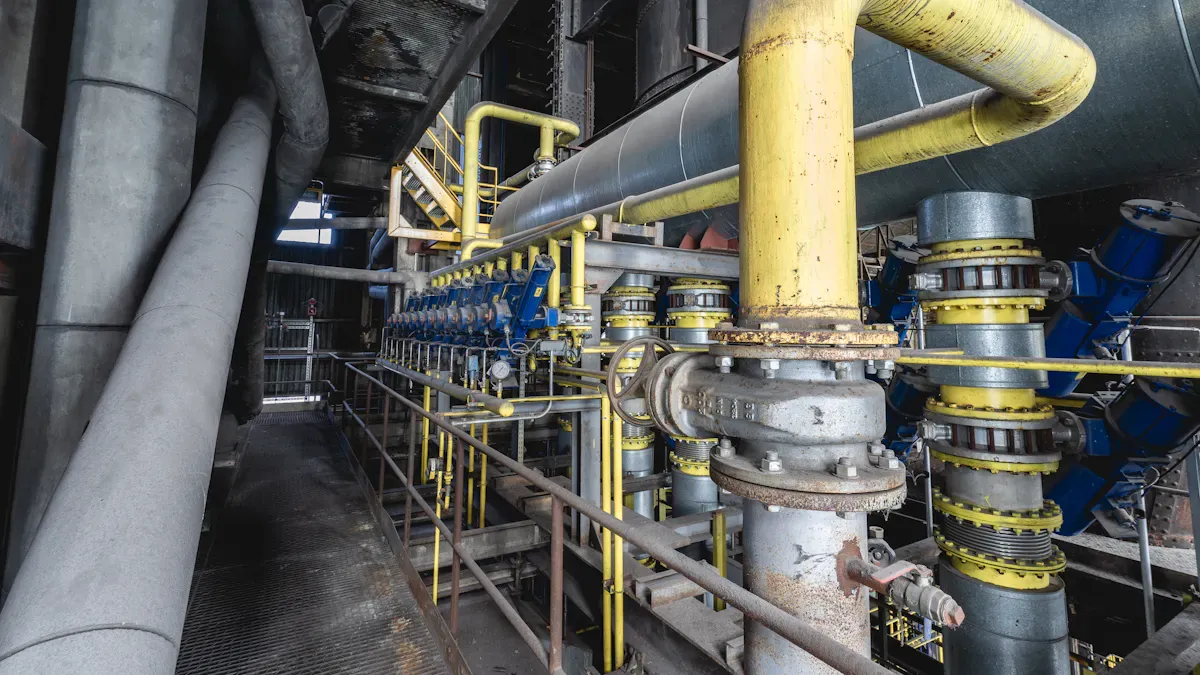
Industrial PVC ball valves significantly enhance flow efficiency in chemical processing systems. Their design allows for minimal resistance to fluid flow, which is crucial in maintaining optimal operational performance. Key factors contributing to this efficiency include:
- Corrosion Resistance: PVC’s ability to withstand a wide range of corrosive substances ensures durability and consistent performance.
- Lightweight Design: The lighter weight of PVC valves simplifies installation and maintenance, which enhances overall operational efficiency.
- Chemical Compatibility: These valves can transport aggressive chemicals without degradation, ensuring reliable flow.
- No Galvanic Corrosion: PVC eliminates the risk of galvanic corrosion when used with dissimilar metals, maintaining system integrity.
Pressure Resistance
Pressure resistance is a critical factor in the performance of industrial PVC ball valves. These valves are designed to operate effectively under specific pressure conditions. The following table outlines the maximum operating pressures for different valve sizes:
| Valve Size | Max Operating Pressure (PSI) | Temperature (°F) |
|---|---|---|
| 1/2" to 1" | Up to 250 | 73 |
| 1.5" and above | 150–200 | 73 |
PVC ball valves are best suited for low to medium-pressure applications. Exceeding the recommended pressure limits can lead to deformation, leaks, or failure. Proper selection based on pressure ratings is essential for reliable operation.
| Pressure Rating (psi) | Implications on Safety and Performance |
|---|---|
| 150 – 280 | Suitable for low to medium-pressure applications; exceeding limits can lead to deformation, leaks, or failure. |
Temperature Tolerance
Temperature tolerance is another vital aspect of industrial PVC ball valves. These valves can withstand temperatures up to 140°F (60°C) in chemical processing environments. The following table summarizes the temperature ranges that PVC ball valves can handle:
| Temperature Range | Description |
|---|---|
| 130°F (54°C) to 140°F (60°C) | Maximum temperature PVC ball valves can withstand in chemical processing environments. |
When compared to alternative valve materials, PVC performs well under specific conditions. The following table illustrates the temperature performance of PVC versus CPVC:
| Temperature Range (°C) | PVC Performance | CPVC Performance |
|---|---|---|
| Below 60°C (140°F) | Excellent | Excellent |
| 60-93°C (140-200°F) | Begins softening | Stable |
| Above 93°C (200°F) | Fails completely | Maximum rating |
Reliability Factors of Industrial PVC Ball Valves
Corrosion Resistance
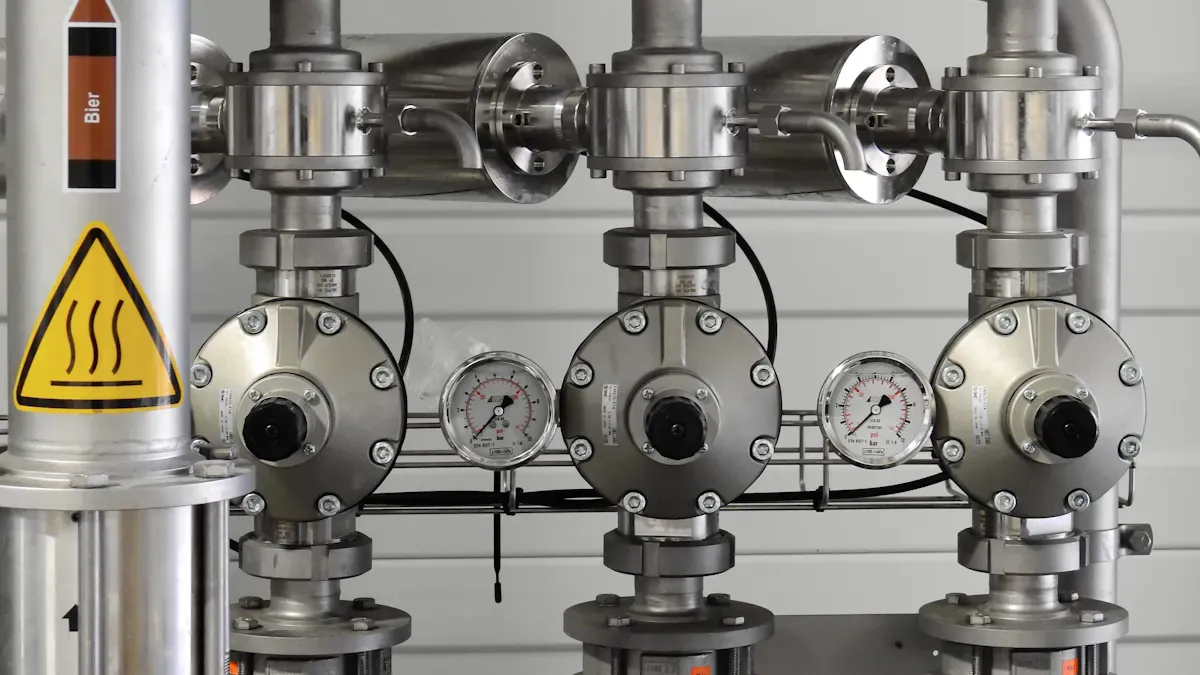
Corrosion resistance is a standout feature of industrial PVC ball valves. The PVC material inherently resists degradation from aggressive chemicals, making these valves ideal for chemical processing systems. This resistance significantly reduces the need for frequent cleaning and servicing. As a result, operators experience fewer interruptions in operations, enhancing overall system reliability.
Key Benefits of Corrosion Resistance:
- Minimizes maintenance frequency
- Extends service life of the valve
- Ensures consistent performance in harsh environments
Maintenance Requirements
Industrial PVC ball valves require minimal maintenance compared to traditional metal valves. Their simple design and fewer moving parts contribute to lower risks of mechanical failure. The following table outlines how reduced maintenance enhances overall system reliability:
| Feature | Benefit |
|---|---|
| Corrosion Resistance | Reduces need for cleaning and servicing |
| Simple Design | Lowers risk of mechanical failure |
| Fewer Moving Parts | Decreases likelihood of breakdowns |
| Lower Labor Costs | Minimizes regular maintenance and repairs |
This reduced maintenance not only saves time but also lowers labor costs, allowing operators to allocate resources more effectively.
Longevity and Durability
The longevity and durability of industrial PVC ball valves are impressive. Under regular use and moderate exposure, these valves can last between 5 to 10 years. In ideal conditions, they may exceed 20 years of service life. The following table summarizes the average service life based on different conditions:
| Condition | Average Service Life |
|---|---|
| Regular use and moderate exposure | 5 to 10 years |
| Ideal conditions | Over 20 years |
| Well-maintained indoor applications | 10 to 15 years |
In controlled environments, industrial PVC ball valves can exceed 20 years, showcasing their reliability and durability. When compared to stainless steel or brass valves, PVC valves offer good performance in corrosive environments, although they may not match the extreme durability of metal options. The following table illustrates this comparison:
| Feature | PVC Ball Valves | Stainless Steel Ball Valves |
|---|---|---|
| Durability | Generally lower durability | Superior strength and longevity |
| Pressure Handling | Limited in high-pressure applications | Can withstand high pressures |
| Temperature Resistance | Not suitable for high temperatures | Can handle extreme temperatures |
| Corrosion Resistance | Good for corrosive environments | Highly resistant to corrosion |
| Lifespan Expectancy | Can last over 25 years in specific uses | Often lasts decades in proper conditions |
Cost-Effectiveness of Industrial PVC Ball Valves
Initial Investment vs. Long-Term Savings
When evaluating the cost-effectiveness of industrial PVC ball valves, the initial investment plays a crucial role. The following table illustrates the cost range for different valve types:
| Valve Type | Cost Range |
|---|---|
| DN50 PVC Valve | $10 – $20 |
| Stainless Steel | $40 – $80 |
While the upfront cost of PVC ball valves is significantly lower than that of stainless steel valves, the long-term savings further enhance their appeal. Key advantages of PVC ball valves include:
- Resistance to corrosion from moisture, chemicals, and saline environments, unlike metal valves that can rust.
- Lower purchase and installation costs due to cheaper raw materials and manufacturing processes.
- Minimal maintenance needs, as PVC valves do not suffer from rust or internal pitting, requiring only periodic inspections.
- Longer lifespan in corrosive or humid conditions, reducing replacement frequency and associated costs.
Comparison with Other Valve Types
When comparing industrial PVC ball valves to other valve types, several factors highlight their cost-effectiveness. PVC ball valves resist rust and mineral buildup, which often plague metal valves. This resistance leads to fewer cleaning and servicing requirements. Additionally, their simple design reduces mechanical failure risks, resulting in fewer breakdowns.
The benefits of lower maintenance and repair needs translate into reduced labor and service costs over time. Overall, industrial PVC ball valves provide a compelling case for cost-effectiveness in chemical processing systems, combining affordability with reliability.
The use of industrial PVC ball valves in chemical processing systems provides numerous advantages. These valves enhance durability, improve sealing capabilities, and offer better resistance to corrosion and chemicals. Additionally, they reduce maintenance needs, leading to significant cost savings. Overall, industrial PVC ball valves represent a superior choice for industrial applications.
FAQ
What are the main advantages of using industrial PVC ball valves?
Industrial PVC ball valves offer corrosion resistance, lightweight design, and lower maintenance needs, making them ideal for chemical processing systems.
How long do industrial PVC ball valves typically last?
Under regular use, these valves can last between 5 to 10 years, with some exceeding 20 years in ideal conditions.
Are industrial PVC ball valves suitable for high-pressure applications?
No, PVC ball valves are best suited for low to medium-pressure applications, as exceeding their pressure limits can lead to failure.