Selecting the right PPR pipe is crucial for any water supply system. The durability and efficiency of a PPR piping system depend significantly on this choice. Poor PPR pipe selection can lead to serious issues, including leaks, reduced water flow, and costly repairs. Additionally, understanding the characteristics of materials like Polypropylene Random Copolymer pipe is essential for optimal performance. When it comes to hot water applications, choosing the best PPR pipe for hot water requires careful consideration. A solid grasp of the PPR pipe pressure rating guide can also prevent future complications, especially when comparing PPR pipe vs PVC options.
Key Takeaways
- Always check pipe specifications to ensure they can handle the required pressure and temperature. This prevents leaks and system failures.
- Select the correct pipe size based on peak demand and future needs. This ensures efficient water flow and reduces energy costs.
- Prioritize quality standards when choosing PPR pipes. Compliance with recognized benchmarks ensures safety and reliability.
- Follow installation guidelines carefully to avoid common mistakes. Proper installation enhances the durability and efficiency of the piping system.
- Consider environmental factors like soil conditions and UV exposure. This helps maintain the integrity and longevity of PPR pipes.
Mistake #1: Ignoring Pipe Specifications
Choosing the right PPR pipes requires careful attention to specifications. Ignoring these details can lead to significant issues in water supply systems. Proper specifications ensure that the pipes can handle the intended pressure and temperature. When individuals overlook these factors, they risk compromising the system’s longevity and safety.
Installation errors often stem from ignoring specifications. These mistakes can severely compromise a water supply system’s durability. For instance, improper cutting, misaligned joints, insufficient support, and poor fusion techniques can cause leaks over time. Such weak points in the system may lead to cracks or leaks, ultimately impacting safety. Using trained professionals familiar with the installation process is crucial. They ensure that installation follows the manufacturer’s specifications, which is vital for longevity.
Manufacturers provide essential information to assist in proper PPR pipe selection. Buyers should look for certifications such as ISO 9001 and NSF, which indicate compliance with health and safety standards. High-quality pipes come well-packaged with clear labels that include specifications, size, material, and manufacturer details. Additionally, pipes should have markings that display the brand name, model number, pressure rating, and production date. These markings help verify authenticity and quality.
Mistake #2: Choosing the Wrong Pipe Size
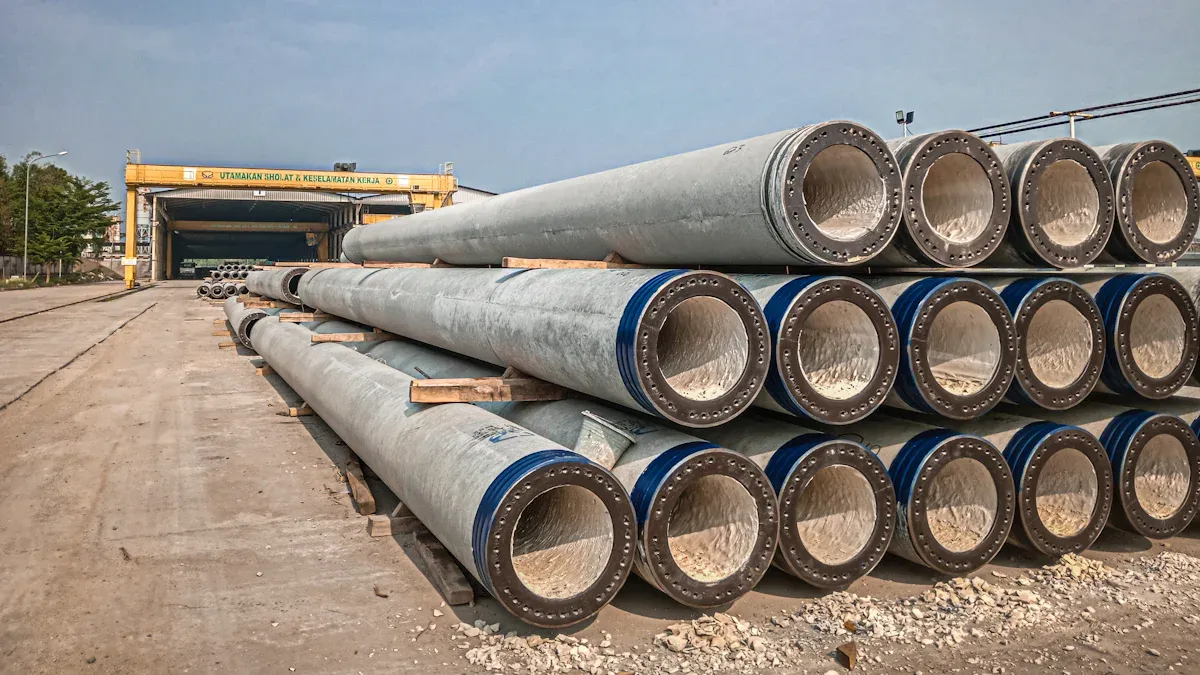
Selecting the correct pipe size is vital for an efficient water supply system. Many individuals overlook this aspect, leading to significant issues. The Nominal Pipe Size (NPS) standardizes pipe sizes in North America, which helps identify the appropriate diameter for both residential and commercial applications.
Choosing the wrong size can severely impact water pressure and flow rate. For instance, a smaller pipe increases water velocity, resulting in friction and pressure loss. This situation leads to uneven water delivery and higher energy consumption. Conversely, a larger pipe may cause water to slow down excessively, creating stagnation and potential bacterial growth.
The consequences of using undersized or oversized PPR pipes are substantial. Undersized pipes can experience excessive pressure, leading to premature wear or even bursting. On the other hand, oversized pipes create inefficient flow conditions, making them more susceptible to damage.
To avoid these pitfalls, individuals should follow a systematic approach to determine the correct pipe size. Here are some essential steps:
- Determine Peak Demand: Assess simultaneous fixture usage during peak hours to calculate total flow requirements.
- Calculate Pipe Diameter: Apply the continuity equation to find the appropriate diameter, ensuring flow velocity remains between 0.5-2.0 m/s.
- Account for Future Expansion: Size pipes 20-30% larger than current needs to accommodate future additions.
By adhering to these guidelines, individuals can make informed decisions regarding PPR pipe selection, ensuring a reliable and efficient water supply system.
Mistake #3: Overlooking Quality Standards
Quality standards play a critical role in the selection of PPR pipes for water supply systems. Overlooking these standards can lead to severe consequences, including leaks, contamination, and system failures. Buyers must prioritize pipes that meet recognized quality benchmarks to ensure safety and reliability.
Several international and national standards apply to PPR pipes. These include:
- ISO 15874: This standard outlines requirements for PPR pipes and fittings, ensuring high-quality manufacturing practices.
- DIN 8077 and DIN 8078: These standards provide additional quality benchmarks for PPR pipes and fittings in the European market.
- ASTM F2389: This is the primary standard for pressure-rated polypropylene piping systems in the U.S., covering specifications for materials and performance.
- BS 6920: This standard evaluates the suitability of non-metallic materials for contact with potable water.
Using PPR pipes that do not meet these standards poses significant risks. The following table summarizes some of the potential dangers:
| Risk Type | Description |
|---|---|
| Poor Quality Materials | Low-quality or counterfeit PPR pipes may not meet industry standards, leading to potential failure. |
| Pressure and Temperature | Low-quality pipes may not withstand required pressure and temperature, increasing plumbing risks. |
Substandard pipes can also contribute to water contamination. For instance, inadequate wall thickness can make pipes more susceptible to breakages and leaks. Additionally, the use of poor-quality materials can compromise the strength and durability of the pipes. Regular assessments and replacements of fittings are necessary to ensure safety. Choosing fittings that meet regulatory standards is crucial to avoid health risks.
Informed PPR pipe selection involves understanding these quality standards. Buyers should always verify that their chosen pipes comply with recognized benchmarks to ensure a safe and efficient water supply system.
Mistake #4: Neglecting Installation Guidelines
Neglecting installation guidelines can lead to significant issues in PPR pipe systems. Proper installation is crucial for ensuring the longevity and reliability of water supply systems. Following recommended practices helps prevent leaks, pressure loss, and system failures.
Manufacturers provide essential installation guidelines that individuals should follow. Here are some key recommendations:
- Check quality assurance certificates and inspect pipes for air bubbles, cracks, and grooves.
- Ensure pipe size and wall thickness comply with standards to prevent leaks.
- Use hot-melt connections and adhere to proper heating times and temperatures.
- Clean surfaces before welding and ensure proper insertion length into fittings.
- Minimize joints in buried pipelines and mark their locations.
- Set up pipe supports according to specifications to accommodate thermal expansion.
- Protect pipes from UV exposure during installation and storage.
- Conduct hydrostatic tests after installation to check for leaks.
Improper installation practices can contribute to PPR pipe failures. Common errors include inadequate joint preparation and fusion welding, which can lead to weak connections. Incorrect installation techniques, such as improper alignment and inadequate support, create stress on joints, increasing the risk of failure. Additionally, failing to conduct pressure tests may result in undetected leaks or weak joints, jeopardizing system reliability.
Some frequent installation mistakes include:
- Improper insertion depth, leading to weak joints.
- Cracks or damage from mishandling, resulting in leaks.
- Water hammer, which creates pressure surges that can damage fittings.
- Blockages caused by debris from installation, restricting water flow.
- Incorrect pipe support, leading to stress and expansion issues.
- Corrosion from using incompatible materials, weakening fittings over time.
Proper training and certification are essential for installers of PPR pipes. This training ensures they understand the necessary parameters, such as temperature, pressure, and fusion time, for effective installation.
By adhering to installation guidelines, individuals can enhance the reliability of their PPR pipe selection and avoid costly repairs in the future.
Mistake #5: Failing to Consider Environmental Factors
Environmental factors significantly influence the performance and durability of PPR pipes. Neglecting these aspects can lead to premature failures and costly repairs. Here are some critical environmental considerations:
- Soil Conditions: The type of soil affects the longevity of PPR fittings. Sandy soils may not provide adequate support, while clayey soils can expand and contract, stressing the pipes.
- Humidity Levels: High humidity can impact the performance of PPR pipes, potentially leading to condensation and moisture-related issues.
- UV Radiation: Prolonged exposure to UV rays can degrade PPR pipes over time, making them brittle and more susceptible to damage.
- Chemical Exposure: Chemicals in the soil, such as salts and heavy metals, can compromise the integrity of the pipes, leading to corrosion and embrittlement.
Temperature fluctuations also play a crucial role in the integrity of PPR pipes. The table below summarizes how these fluctuations can affect performance:
| Aspect | Evidence |
|---|---|
| Temperature Resilience | PPR fittings can withstand temperatures from -20°C to 95°C, suitable for various systems. |
| Long-Term Exposure Effects | Continuous high temperatures can make PPR fittings more brittle over time. |
| Joint Integrity | Fluctuations in temperature can stress joints, necessitating proper jointing techniques. |
| Pressure Variations | Temperature changes affect internal pressure, requiring PPR fittings to handle these changes. |
| Chemical Stability | PPR maintains chemical resistance across its temperature range, preventing degradation. |
| UV Sensitivity | Prolonged UV exposure can negatively impact the durability of PPR fittings. |
| Insulation Requirements | Extreme temperature fluctuations may require additional insulation for system integrity. |
To mitigate risks associated with harsh environmental conditions, consider the following strategies:
- Choose a clean storage facility to minimize contamination risks.
- Control dust and debris in the storage area through regular cleaning.
- Use protective covering and packaging to shield pipes from contaminants.
- Segregate pipes from chemicals and physical hazards to prevent degradation.
- Implement pest prevention measures to avoid damage from rodents and insects.
- Establish spill management protocols to address accidental spills quickly.
- Conduct regular inspections for cleanliness and contamination signs.
- Train personnel on cleanliness during handling to maintain hygiene.
By considering these environmental factors, individuals can enhance their PPR pipe selection and ensure a reliable water supply system.
In summary, avoiding common mistakes in PPR pipe selection is essential for ensuring a reliable water supply system. The top five mistakes include ignoring pipe specifications, choosing the wrong pipe size, overlooking quality standards, neglecting installation guidelines, and failing to consider environmental factors.
Informed decision-making plays a crucial role in selecting high-quality materials that resist corrosion and maintain water quality. By following best practices, such as adhering to quality assurance checklists and proper welding techniques, individuals can significantly enhance the durability and efficiency of their plumbing systems.
Regular maintenance also helps identify potential issues early, ensuring optimal performance and extending the lifespan of PPR fittings.
Embrace these practices to achieve a dependable and efficient water supply system.
FAQ
What are PPR pipes made of?
PPR pipes consist of Polypropylene Random Copolymer, a durable plastic known for its resistance to corrosion and high temperatures. This material makes PPR pipes suitable for both hot and cold water applications.
How long do PPR pipes last?
PPR pipes can last over 50 years when installed correctly and maintained properly. Their resistance to corrosion and chemical damage contributes to their longevity in water supply systems.
Can PPR pipes be used for hot water?
Yes, PPR pipes are ideal for hot water applications. They can withstand temperatures up to 95°C (203°F) without compromising structural integrity, making them a reliable choice for plumbing systems.
Are PPR pipes environmentally friendly?
PPR pipes are considered environmentally friendly due to their recyclability and low environmental impact during production. They do not leach harmful chemicals into water, ensuring safe drinking water.
How do I maintain PPR pipes?
Regular inspections and cleaning help maintain PPR pipes. Check for leaks, ensure proper insulation, and avoid exposure to harsh chemicals. Following these practices can extend the lifespan of your piping system.