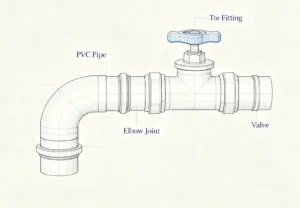
Selecting the right high pressure plastic valve is crucial for ensuring system efficiency and safety. In high-pressure environments, the wrong choice can lead to severe consequences. For instance, poor material selection may result in valve failure, compromising operational integrity. A flawed seat design can cause leaks, posing serious risks. Additionally, failure to understand material behavior under pressure and temperature can lead to durability issues. Therefore, careful consideration in choosing valves like the PVC pressure valve, CPVC high pressure valve, or a PPH valve for pressure systems is essential for optimal performance. Furthermore, utilizing a high pressure PVC valve for industrial pipelines can enhance reliability and functionality in demanding applications, making it a vital component in any industrial setup.
Key Takeaways
- Choose the right material for your valve based on the type of media. Understanding chemical properties helps prevent failures.
- Check pressure and temperature ratings before selecting a valve. Ensure it can handle the specific demands of your application.
- Consider the specific application of the valve. Different mechanisms, like check valves, serve unique purposes in high-pressure systems.
- Plan for regular maintenance to extend the lifespan of your valves. Simple maintenance routines can prevent costly failures.
- Consult with manufacturers for expert advice on material compatibility and performance. Their insights can guide you to the best choice.
Key Considerations for High-Pressure Plastic Valves
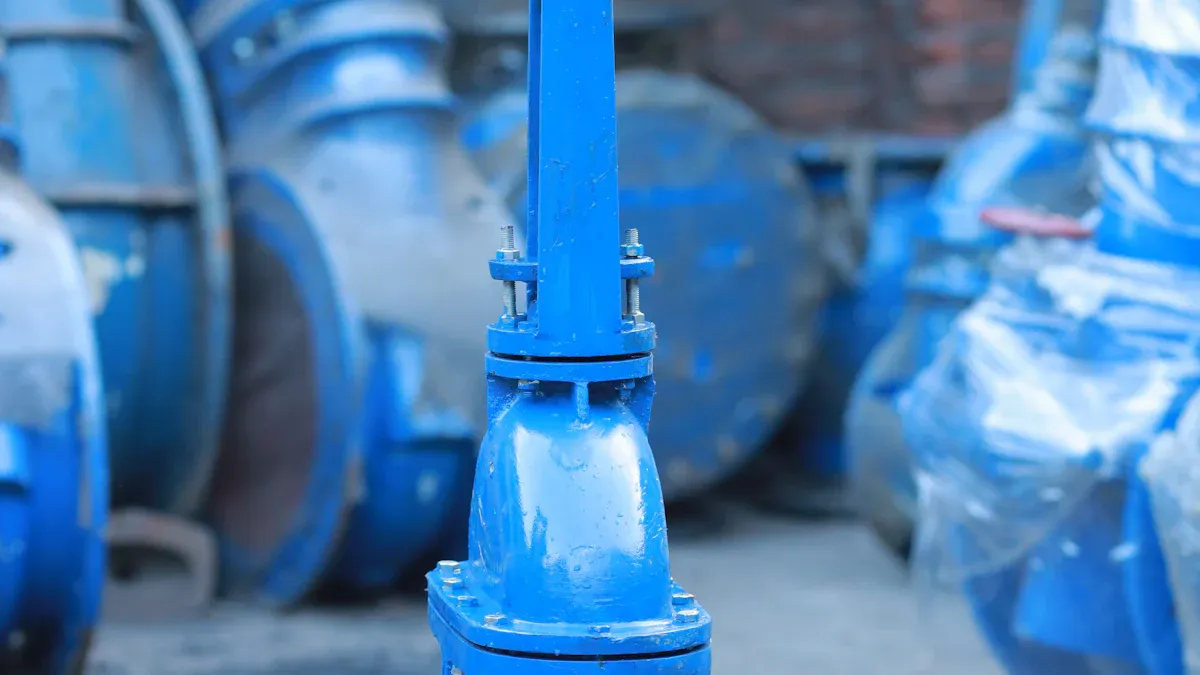
Selecting the right high-pressure plastic valve involves several critical factors. Understanding these considerations ensures optimal performance and longevity in demanding applications.
Material Compatibility
Material compatibility is paramount when choosing a high-pressure plastic valve. The characteristics of the media—whether liquid or gas—directly influence the valve’s material selection. Here are some essential points to consider:
- Media Type: Identify the chemical properties of the media. This knowledge helps in selecting materials that resist chemical reactions.
- Compatibility Charts: Utilize compatibility charts to determine which materials withstand specific chemicals. For example, PVC may be suitable for certain acids, while PVDF excels in aggressive environments.
- Consultation: Engage with valve manufacturers for insights based on their extensive experience with various chemicals.
Pressure Ratings
Pressure ratings are crucial for ensuring that the selected valve can handle the operational demands of the system. Different materials exhibit varying pressure tolerances:
- PVC Valves: Typically rated for lower pressures, PVC valves may not be suitable for all high-pressure applications.
- CPVC Valves: These valves can handle pressures up to 150 PSI, making them a reliable choice for many high-pressure scenarios.
- PVDF Valves: Known for their robustness, PVDF valves often have higher pressure ratings, but specific ratings should always be verified against manufacturer specifications.
Understanding these ratings helps prevent valve failure and ensures safety in high-pressure environments.
Temperature Resistance
Temperature resistance significantly impacts the performance and longevity of high-pressure plastic valves. Extreme temperatures can affect material integrity and sealing performance. Consider the following factors:
- Material Integrity: High temperatures can induce thermal expansion, leading to dimensional changes. Conversely, low temperatures may cause materials to become brittle, increasing fracture risks.
- Sealing Performance: Seals and gaskets are sensitive to temperature variations. Changes in temperature can alter their elasticity, affecting their sealing capabilities.
- Fluid Characteristics: The viscosity and behavior of fluids often change with temperature. Ensure that the valve’s temperature range aligns with the expected fluid characteristics.
- Mechanical Stress: Thermal expansion and contraction can create mechanical stress, potentially leading to material fatigue.
The table below summarizes the maximum temperature resistance for common high-pressure plastic valve materials:
| Material | Maximum Temperature Resistance | Notes |
|---|---|---|
| PVC | 140°F | Minimum safe temperature is 40°F. |
| CPVC | 180°F | |
| Kynar PVDF | 230°F | Certain designs rated to 230 psi. |
| Teflon PTFE | 500°F | Not recommended beyond 300°F for valves. |
| PEEK | Higher than Teflon | Cost prohibitive compared to metals. |
By considering these key factors—material compatibility, pressure ratings, and temperature resistance—engineers can select the most suitable high-pressure plastic valve for their specific applications.
Types of High-Pressure Plastic Valves
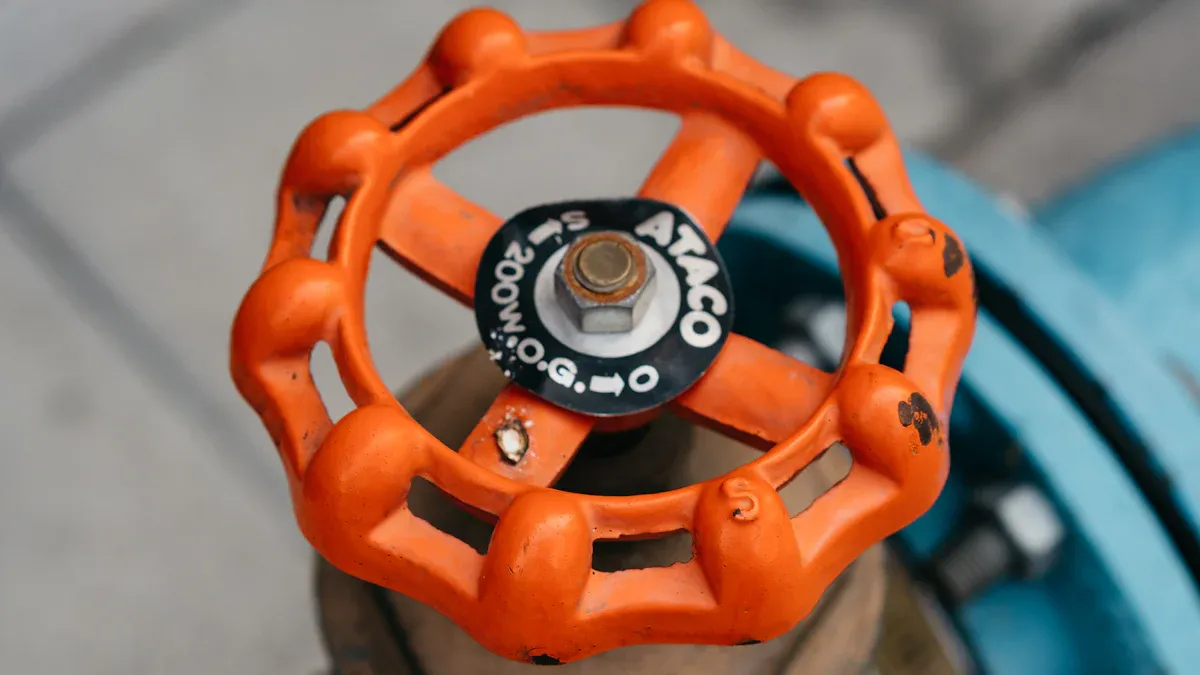
PVC Valves
PVC (Polyvinyl Chloride) valves are widely used in various applications due to their cost-effectiveness and corrosion resistance. These valves are suitable for lower pressure systems, typically rated for up to 150 PSI at 73°F. However, it is essential to note that the pressure rating decreases as the temperature rises. For instance, at elevated temperatures, the pressure tolerance diminishes, making it crucial to consult manufacturer specifications for accurate ratings.
-
Advantages of PVC Valves:
- Corrosion resistance, ideal for chemical processing and wastewater treatment.
- Lightweight, which reduces installation and shipping costs.
-
Disadvantages of PVC Valves:
- Lower temperature and pressure ratings compared to metal valves, limiting their use in high-pressure applications.
| Temperature (°F) | Pressure Rating (PSI) |
|---|---|
| 73 | 150 |
| Elevated | Decreases |
CPVC Valves
Chlorinated Polyvinyl Chloride (CPVC) valves offer enhanced performance over standard PVC valves, particularly in high-temperature applications. CPVC maintains its pressure rating better than PVC as temperatures rise, making it a reliable choice for demanding environments. These valves can handle temperatures up to 200°F and are suitable for a broader range of aggressive chemicals.
- Key Benefits of CPVC Valves:
- Superior chemical resistance compared to PVC, making them suitable for transporting corrosive fluids.
- Commonly used in industries such as power generation and oil and gas, where high temperatures and pressures are prevalent.
| Property | CPVC | PVC |
|---|---|---|
| Maximum Temperature | 200°F | 140°F |
| Chemical Resistance | Superior | Good |
| Pressure Rating at 73°F | Same as CPVC | Same as CPVC |
PVDF Valves
Polyvinylidene Fluoride (PVDF) valves are known for their exceptional mechanical properties and chemical resistance. They can operate effectively in temperatures ranging from -40°F to 302°F, making them suitable for high-pressure environments. PVDF valves exhibit high tensile strength and stiffness, which enhances their durability in demanding applications.
- Unique Properties of PVDF Valves:
- Excellent resistance to a wide range of solvents, acids, and bases.
- Recognized for high purity and chemical resilience, making them ideal for applications requiring stringent cleanliness.
| Property | Description |
|---|---|
| Chemical Resistance | Excellent resistance to solvents, acids, and bases, including hydrochloric and nitric acids. |
| Temperature Range | Operates effectively from -40°F to 302°F without losing integrity. |
| Durability | Shows little to no deterioration in mechanical properties after years of outdoor use. |
PVDF valves may have a higher initial cost compared to PVC and CPVC options, but they offer significant savings in total cost of ownership due to their longer service life and lower maintenance needs.
Application Types for High-Pressure Plastic Valves
High-pressure plastic valves find extensive applications across various industries. Their unique properties make them suitable for demanding environments, ensuring safety and efficiency.
Chemical Processing
In chemical processing, high-pressure plastic valves play a critical role. They must meet stringent safety standards to ensure operational integrity. The following table outlines essential standards that these valves must comply with:
| Standard | Description |
|---|---|
| ASME Section I | Governs fired pressure vessels, applicable for boiler safety valves operating above 15 psig. |
| ASME Section VIII | Covers unfired pressure vessel protection, relevant for process tanks and piping systems. |
| API 520 | Provides guidelines for sizing and selection of valves, essential for ensuring proper function. |
| API 526 | Specifies dimensions and pressure ratings for flanged steel pressure relief valves. |
| API 527 | Sets criteria for seat tightness, crucial for preventing leakage in high-pressure applications. |
| ISO 4126 | International standard referenced for safety devices in global projects. |
These standards ensure that high-pressure plastic valves can withstand the harsh conditions often found in chemical processing environments.
Water Treatment
High-pressure plastic valves are also vital in water treatment facilities. They manage the flow of water under pressure, ensuring efficient operation. Their corrosion resistance makes them ideal for handling various chemicals used in water purification. Additionally, these valves help maintain system integrity, preventing leaks and ensuring safe operation.
Food and Beverage Industry
In the food and beverage industry, high-pressure plastic valves must comply with strict safety regulations. They ensure that products remain uncontaminated during processing. The following table highlights key features that contribute to food safety compliance:
| Feature | Description |
|---|---|
| Surface Finish | Polished, crevice-free surfaces minimize areas for bacteria and food particle accumulation. |
| Self-Draining Mechanisms | Prevent stagnant liquid, reducing bacterial growth risk. |
| Automated Cleaning Support | CIP and SIP capabilities allow for high-temperature sterilization without disassembly. |
| Material Compliance | Stainless steel and food-grade elastomers ensure non-toxic, corrosion-resistant operation. |
| Regulatory Certifications | Compliance with FDA, 3-A Sanitary Standards, EHEDG, and ISO 22000 for food safety management. |
These features ensure that high-pressure plastic valves maintain the highest standards of hygiene and safety in food processing applications.
Comparison of High-Pressure Plastic Valves
Performance Metrics
Evaluating high-pressure plastic valves involves several performance metrics. Key metrics include:
- Pressure Ratings: High-quality PVC valves can handle a maximum pressure of 150 psi at 73°F (23°C). This rating ensures that they can manage necessary pressures without failure.
- Flow Capacities: Measured in gallons per minute (GPM), this metric indicates how efficiently fluid can pass through the valve. Efficient flow is crucial for industrial applications.
Cost Considerations
Cost is a significant factor when selecting high-pressure plastic valves. A comparison of initial and long-term costs reveals important insights:
| Valve Type | Initial Cost Savings | Maintenance Cost Savings | Total Lifecycle Cost Reduction |
|---|---|---|---|
| PVC Gate Valves | Up to 30% cheaper | About 30% cheaper | 25-40% lower than metal valves |
Plastic valves often provide substantial savings over their metal counterparts. While the initial investment may be lower, the total cost of ownership can be significantly reduced over time.
Maintenance Requirements
Regular maintenance is essential for ensuring the longevity and efficiency of high-pressure plastic valves. Typical maintenance steps include:
- Remove the valve from the line if needed.
- Disassemble the wet side for inspection.
- Pre rinse to remove debris.
- Wash with mild detergent.
- Treat light scale if needed.
- Final rinse and dry.
- Inspect before reassembly.
Regular inspections and a structured maintenance plan can prevent failures and extend the lifespan of high-pressure plastic valves. An effective inspection routine helps catch potential issues early, enhancing overall system performance.
By understanding these comparisons, engineers can make informed decisions when selecting the right high-pressure plastic valve for their applications.
Selecting the right high-pressure plastic valve is essential for optimal performance in various applications. Key factors include:
- Material Compatibility: Choose materials based on the specific media and conditions.
- Pressure and Temperature Ratings: Ensure the valve can handle the expected pressure and temperature.
- Specific Applications: Select valves based on their mechanisms, such as check valves for preventing backflow.
- Maintenance Requirements: Consider the maintenance needs, as simpler designs often require less upkeep.
By carefully evaluating these aspects, engineers can make informed decisions that enhance system reliability and safety.
FAQ
What is the maximum pressure rating for PVC valves?
PVC valves typically have a maximum pressure rating of 150 PSI at 73°F. However, this rating decreases as temperature increases, so always consult manufacturer specifications for accurate ratings.
How do I determine the right valve material for my application?
Identify the chemical properties of the media and consult compatibility charts. This ensures the selected valve material can withstand the specific chemicals and conditions present in your application.
Can high-pressure plastic valves be used in food processing?
Yes, high-pressure plastic valves can be used in food processing. Ensure they comply with safety regulations and standards, such as FDA and 3-A Sanitary Standards, to maintain product integrity.
What maintenance is required for high-pressure plastic valves?
Regular maintenance includes inspecting, cleaning, and replacing seals as needed. Follow a structured maintenance plan to prevent failures and extend the lifespan of the valves.
Are PVDF valves more expensive than PVC and CPVC valves?
Yes, PVDF valves generally have a higher initial cost compared to PVC and CPVC options. However, their durability and lower maintenance needs can lead to significant long-term savings.