
Which PVC Valve Type Is Best for Irrigation Control Systems?
PVC valves are essential components in irrigation control systems, providing reliable flow regulation and shutoff capabilities for agricultural, commercial, and residential applications. Choosing the right PVC valve type directly impacts system efficiency, maintenance costs, and water conservation outcomes. This guide examines the most common PVC valve types used in irrigation and provides criteria for selecting the optimal valve for specific system requirements.
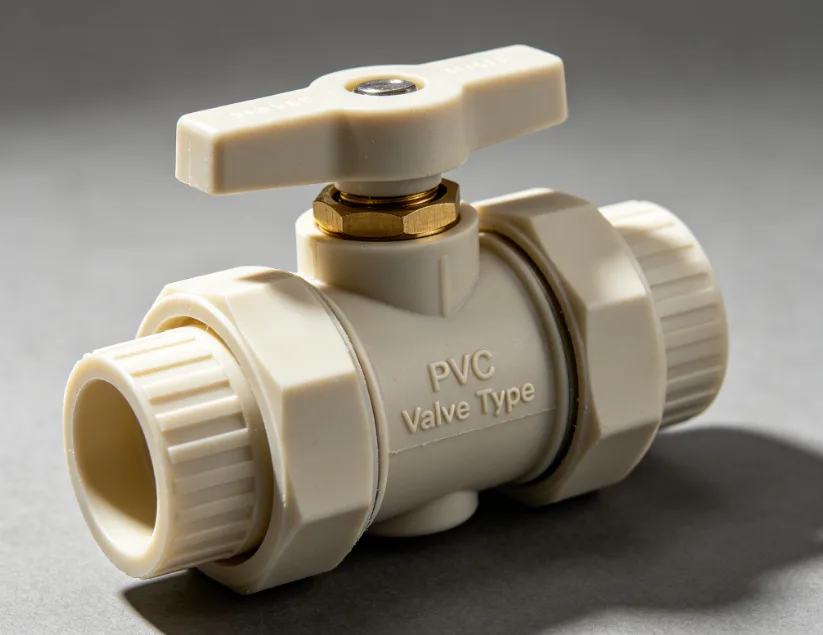
Understanding PVC Valves in Irrigation Applications
PVC valves offer excellent corrosion resistance, chemical stability, and cost-effectiveness compared to metal alternatives. These valves handle water pressures typical of residential and agricultural irrigation systems, ranging from 100 to 250 PSI depending on the specific valve design. PVC valves work seamlessly with PVC pipe systems, reducing the risk of galvanic corrosion that occurs when dissimilar metals connect.
Irrigation systems require valves that can withstand frequent cycling, exposure to fertilizers, and UV exposure in outdoor installations. PVC material meets these demands while providing smooth internal surfaces that minimize pressure losses. When selecting valves, consider the system’s maximum working pressure, temperature range, and flow requirements to ensure compatibility and longevity. For comprehensive piping solutions, explore our range of designed for reliable connections.
Types of PVC Valves for Irrigation Control
Irrigation systems typically utilize five main categories of PVC valves, each designed for specific functions within the water distribution network. Understanding the operational characteristics of each type helps system designers and property owners make informed decisions. Our product catalog includes various PPR Pipe Fittings that complement these valve types in modern irrigation installations.
PVC Ball Valves
PVC ball valves provide quick on-off operation through a rotating spherical ball with a central bore. These valves offer minimal pressure drop when fully open and create a leak-tight seal when closed. Ball valves excel in applications requiring frequent cycling between open and closed positions, making them ideal for zone control in drip irrigation systems.
The handle-operated design provides clear visual indication of valve status from a distance. Solvent-welded PVC ball valves are commonly available in sizes from ½ inch to 4 inches, covering most residential and small commercial irrigation applications. Threaded versions provide easier installation and maintenance in retrofit situations. When planning your system, consider pairing these valves with our PVC Pipe Fittings for a complete solution.
PVC Gate Valves
PVC gate valves use a rising or non-rising stem to move a flat gate perpendicular to the flow path. These valves provide straight-through flow with minimal restriction when fully open, making them suitable for applications where maximum flow capacity is priority. Gate valves work well as main line shutoff valves in irrigation systems.
The simple design of gate valves results in reliable operation and straightforward maintenance. However, gate valves should not be used for throttling applications, as partially open positions can cause vibration and premature wear. Look for full-port designs when flow capacity is critical for your irrigation system design. For cost-effective options, browse our selection of PPR Economical Fittings that provide quality without compromising performance.
PVC Butterfly Valves
PVC butterfly valves control flow through a rotating disc that pivots perpendicular to the flow direction. These valves offer compact design, lightweight construction, and excellent throttling capability for flow regulation. Butterfly valves are particularly suitable for large-diameter irrigation main lines where cost and space considerations favor smaller valve profiles.
The wafer-style design allows installation between flanges with minimal bolt lengths. Many irrigation professionals specify butterfly valves for center pivot irrigation systems and large agricultural installations. The positive stop feature in quality butterfly valves ensures consistent positioning for repeatable flow settings. Quality standards for accessibility compliance can be found at for web-based irrigation management systems.
PVC Globe Valves
PVC globe valves regulate flow through a movable plug element that seats against a horizontal disc. This design provides precise throttling capability and excellent shutoff characteristics for applications requiring fine flow adjustment. Globe valves are commonly used in fertigation systems where chemical injection rates must be carefully controlled.
The internal design creates multiple directional changes in the flow path, resulting in higher pressure loss compared to ball or gate valves. However, this characteristic actually benefits throttling applications by providing inherent flow stability. Globe valves require more turns to move from fully open to fully closed, which can be advantageous for gradual system startup. Explore our PPR Standard Fittings for reliable standard-grade components.
PVC Check Valves
PVC check valves allow flow in one direction while automatically preventing reverse flow when upstream pressure decreases. These valves protect irrigation pumps from water hammer damage and prevent backflow contamination of potable water supplies. Spring-loaded check valves close quickly to minimize reverse flow surge.
Selecting the correct check valve type depends on whether the application requires swing check or spring-loaded silent check operation. Swing check valves suit low-velocity applications with minimal reversal events, while silent check valves are preferred for high-head installations and pump discharge lines. Both types are essential for maintaining system pressure stability. For commercial installations, consider cybersecurity guidelines from
Comparison of PVC Valve Types for Irrigation
Selecting the optimal PVC valve requires evaluating multiple performance characteristics against specific application requirements. The following comparison table summarizes key differences between valve types to guide the selection process. Industry standards documentation is available at
| Valve Type | Flow Control | Pressure Loss | Durability | Best Application |
|---|---|---|---|---|
| Ball Valve | On/off only | Minimal | Excellent | Zone shutoff, system isolation |
| Gate Valve | On/off only | Very minimal | Good | Main line isolation |
| Butterfly Valve | Throttling capable | Moderate | Excellent | Large flow control, throttling |
| Globe Valve | Precise throttling | Higher | Good | Fertigation, flow regulation |
| Check Valve | Automatic, one-way | Low to moderate | Good | Backflow prevention, pump protection |
Key Factors When Choosing PVC Valves for Irrigation
System designers should evaluate several critical factors before specifying PVC valves for irrigation installations. Pressure rating compatibility ensures the valve can handle maximum system pressure with appropriate safety margins. Temperature considerations affect material selection in regions with extreme seasonal variations.
Connection type influences installation complexity and long-term reliability. Solvent-welded connections provide the most leak-resistant joints but require permanent installation, while threaded connections allow for future maintenance access. Threaded connections work well with HDPE Pipe Fittings in applications requiring flexibility and durability.
UV resistance becomes important for above-ground installations where sunlight exposure can degrade polymer materials over time. Specialized UV-stabilized PVC compounds extend service life in exposed applications. Consider valve location and accessibility when selecting handle or actuator types for routine operation and emergency shutdown.
Top PVC Valve Suppliers for Irrigation Systems
Several manufacturers specialize in PVC valves designed specifically for irrigation applications, offering products calibrated for the unique demands of water distribution systems. Quality suppliers maintain certifications confirming pressure ratings and materials compliance with industry standards.
pntekplastblog.com offers a comprehensive selection of PVC pipe fittings and valves designed for irrigation applications. Their product range covers ball valves, gate valves, and check valves suitable for residential and commercial irrigation systems. The company provides technical documentation supporting proper installation and maintenance practices. You can explore their PVC Pipe Fittings collection to find compatible components for your irrigation setup.
Other established suppliers offer specialized valve products targeting specific irrigation segments. Agricultural irrigation suppliers often stock large-diameter butterfly valves and high-pressure ball valves for main line applications. Residential irrigation specialists typically focus on compact ball valves and anti-siphon valves meeting local plumbing codes. For optimizing your online presence, refer to the
When evaluating suppliers, verify that products carry appropriate certifications from recognized testing organizations. Look for manufacturers providing detailed specifications including pressure ratings, temperature ranges, and material composition. Suppliers offering technical support and installation guidance add value beyond the product itself. Our comprehensive range includes CPVC Pipe Fittings for hot water applications and specialized uses.
Installation Best Practices for PVC Irrigation Valves
Proper installation techniques maximize valve performance and extend service life in irrigation applications. Allow sufficient clearance around valves for routine operation and future maintenance access. Position valves where they remain accessible for seasonal inspection and winterization procedures.
Support pipework on both sides of installed valves to prevent stress on valve connections from pipe weight or thermal expansion. Use appropriate primer and cement products specifically formulated for PVC materials when making solvent-welded connections. Avoid overtightening threaded connections to prevent stress cracking in PVC components. More guidance is available in the
Conclusion
PVC valves provide reliable, cost-effective flow control solutions for irrigation systems when properly selected and installed. Ball valves suit most residential irrigation shutoff applications, while butterfly and globe valves address commercial and agricultural requirements for flow regulation. Check valves protect system components from backflow damage regardless of system size.
Matching valve characteristics to application requirements ensures optimal system performance and longevity. Working with reputable suppliers who understand irrigation applications helps avoid costly mistakes in product selection. Regular inspection and maintenance of valve components prevents system failures and extends the service life of irrigation infrastructure.
Frequently Asked Questions
What is the best PVC valve type for residential irrigation systems?
PVC ball valves are typically the best choice for residential irrigation systems due to their reliable on-off operation, compact design, and cost-effectiveness for zone control applications. These valves pair well with CPVC Pipe Fittings for versatile system configurations.
Can PVC valves be used for underground irrigation installations?
Yes, PVC valves can be installed underground when properly protected in valve boxes and when the installation depth prevents freezing damage in cold climates.
How often should PVC irrigation valves be maintained?
Annual inspection of irrigation valves is recommended, including checking for leaks, verifying handle operation, and cleaning debris from valve screens and seats.
What pressure rating do PVC valves need for irrigation systems?
Most residential irrigation systems operate at 100-150 PSI, requiring valves rated for at least 200 PSI to provide adequate safety margin. Always verify system operating pressure before selecting valves.
Are PVC valves suitable for chemigation and fertigation applications?
PVC valves resist corrosion from fertilizers and many agricultural chemicals, making them suitable for fertigation systems. However, verify chemical compatibility for specific fertilizer formulations before installation. For detailed compatibility information, consult


