
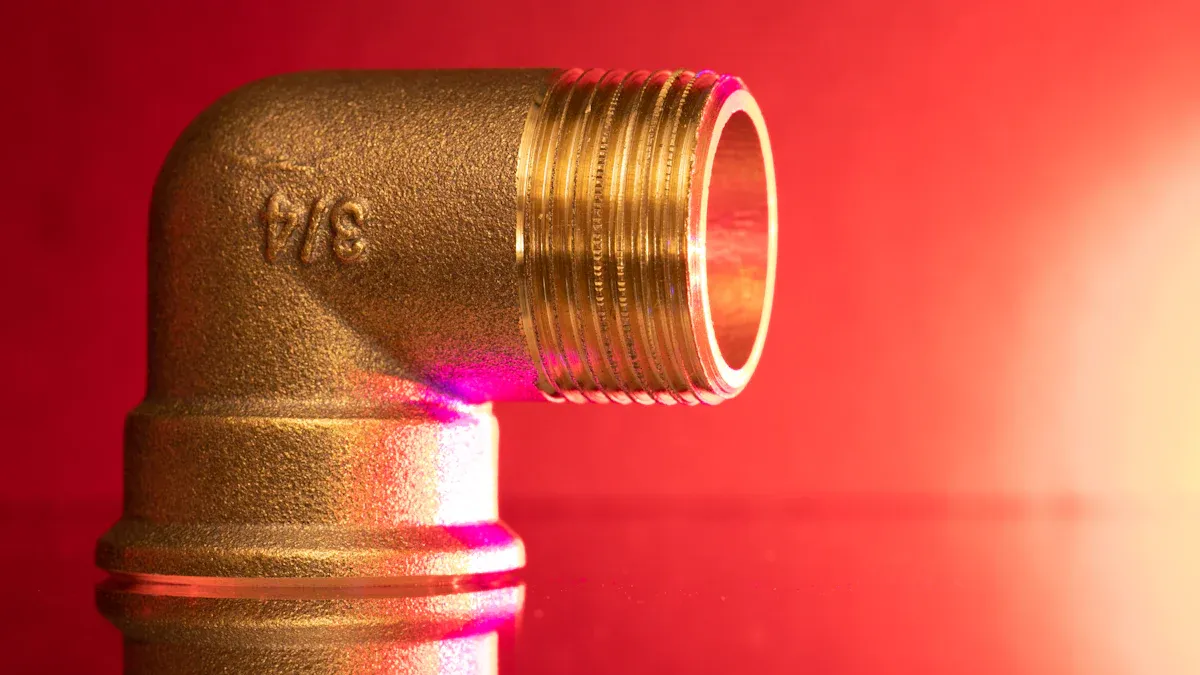
PVC, CPVC, PPR, and HDPE pipe fittings each possess unique characteristics that influence their suitability for various applications, making a thorough understanding of PVC vs CPVC fittings essential for anyone involved in plumbing and construction projects. Additionally, recognizing the PPR pipe advantages can help in selecting the right material, which significantly affects not only the performance of the plumbing system but also its longevity. For instance, HDPE water pipe fittings are gaining popularity due to their durability and flexibility. A comprehensive plastic plumbing fittings guide can assist in navigating these options effectively. Furthermore, utilizing a fittings comparison chart can provide clarity on the best choices for pipe fittings for water supply, ensuring informed decisions that lead to more efficient and durable pipe systems.
Key Takeaways
- PVC fittings are affordable and easy to install, making them great for cold water systems.
- CPVC fittings can handle higher temperatures and pressures, making them ideal for hot water applications.
- PPR fittings are durable, chemical-resistant, and eco-friendly, suitable for both hot and cold water systems.
- HDPE fittings are strong and flexible, perfect for outdoor and industrial use, and can last a long time.
- Choosing the right fitting depends on factors like temperature, pressure, and chemical exposure to ensure a reliable plumbing system.
Overview of Pipe Fittings
Pipe fittings play a crucial role in plumbing and construction projects. They connect, redirect, and control the flow of fluids within piping systems. Understanding the various types of fittings helps professionals select the right components for their specific needs. Here are some common categories of pipe fittings:
- Elbows: These fittings change the direction of flow between two pipes. They come in various angles, including 90-degree and 45-degree options.
- Tees: T-shaped fittings allow for the combination or splitting of fluid flow. They enable branch connections in a piping system.
- Couplings: These connect two pipes together. They are available in designs such as straight, reducing, and slip couplings.
- Reducers: These fittings connect pipes of different diameters. They come in concentric and eccentric types to accommodate various configurations.
- Valves: Valves control fluid flow. Common types include gate, globe, ball, and butterfly valves.
- Unions: Unions facilitate easy disconnection of pipes without causing damage. They consist of a male end, female end, and a nut.
- Bushings: These connect pipes of different sizes. They fit inside a larger fitting for compact connections.
- Caps and Plugs: Caps close the end of a pipe to stop fluid flow, while plugs close off openings in fittings like tees or elbows.
- Nipples: Short lengths of pipe with male threads on both ends, nipples connect fittings or extend a pipe run.
- Crosses: Four-way fittings connect four pipes at a single point, useful in specific configurations.
- Flanges: Flanges connect pipes, valves, and pumps, often used in high-pressure applications.
- Wyes: Y-shaped fittings connect three pipes at a 45-degree angle, commonly used in drainage systems.
By understanding these fittings, professionals can make informed decisions that enhance the efficiency and reliability of their plumbing systems.
PVC Pipe Fittings
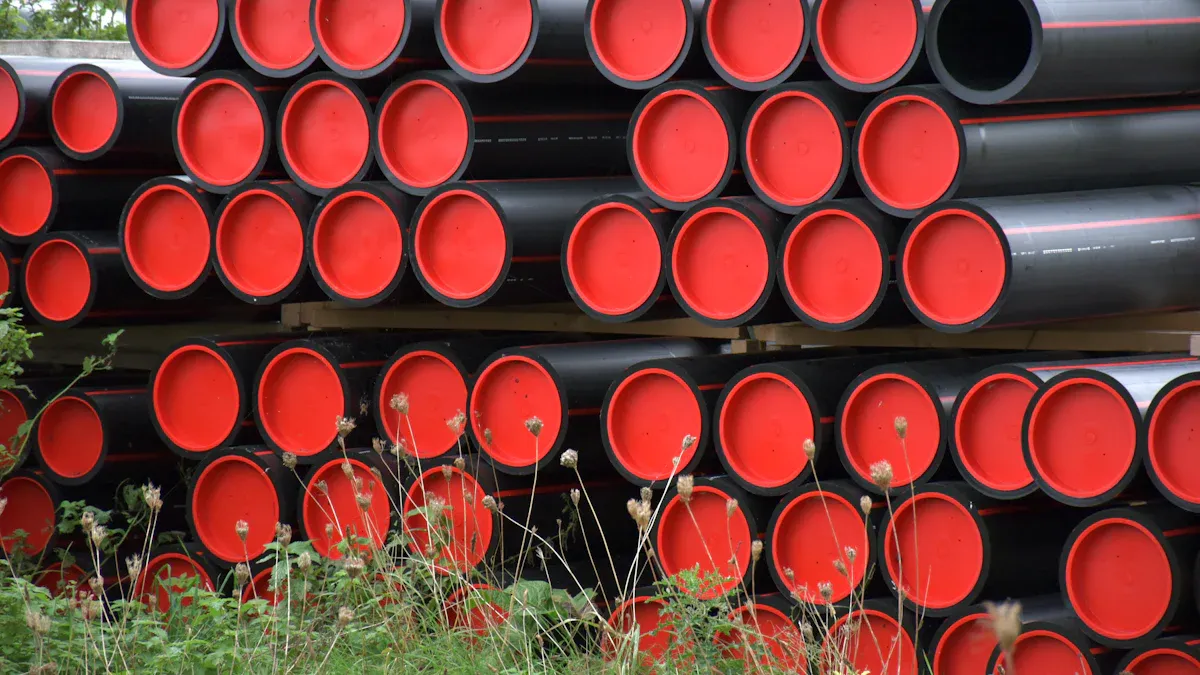
PVC (Polyvinyl Chloride) pipe fittings are widely used in plumbing systems due to their affordability, ease of installation, and resistance to corrosion. These fittings are essential components that connect various sections of PVC pipes, allowing for efficient fluid transport in both residential and commercial applications.
Common Types of PVC Pipe Fittings
The following list highlights some of the most common types of PVC pipe fittings and their primary applications:
- Elbows (90-degree and 45-degree): These fittings change the direction of flow in a piping system. They are commonly found in industrial and commercial plumbing setups.
- Tees: Tees allow for the connection of three pipes, creating a branch in the line. They frequently appear in systems requiring balanced flow.
- Couplings: Designed to join two sections of pipe securely, couplings are essential for extending pipe lengths or repairing damaged sections.
- Adapters (Male and Female): These fittings convert the end of a pipe to a different fitting type, making them common in industrial applications.
- Ball Valves: Ball valves control the flow of liquids or gases. They are used in chemical processing and water treatment due to their reliability.
- Union Fittings: These fittings allow for easy disconnection of pipes, ideal for maintenance in industries requiring frequent servicing.
- Bushings: Bushings reduce the size of a pipe fitting, which is useful in complex piping systems.
Chemical and Physical Properties
PVC pipe fittings exhibit specific chemical and physical properties that influence their suitability for different environments. The following table summarizes the compatibility of PVC with various chemicals:
| Chemical Interaction | Effect on PVC | Notes |
|---|---|---|
| Acetic Acid | Moderate compatibility | Varies with concentration; severe effects at 20% concentration |
| Sulfuric Acid | Severe damage | Not compatible at any temperature |
| Alcohols | Severe effects | Includes solvents like acetone and MEK |
| Distilled Water | No effect | Fully compatible with PVC |
| Ammonium Hydroxide | Little or no effect | Compatible up to 30% concentration |
PVC fittings have a maximum operating temperature of 140°F (60°C). Exposure to temperatures above this threshold can lead to accelerated chemical attack and degradation. Therefore, preliminary testing is advised for applications involving elevated temperatures.
Pressure Ratings
Understanding the pressure ratings of PVC pipe fittings is crucial for ensuring safety and performance. The following table outlines the maximum pressure ratings for different sizes of PVC fittings:
| Nominal Pipe Size | Max PSI SCH 40 Pipe | Max PSI SCH 80 Pipe |
|---|---|---|
| ½” | 600 | 850 |
| ¾” | 480 | 690 |
| 1” | 450 | 630 |
| 1 ¼” | 370 | 520 |
| 1 ½” | 330 | 470 |
| 2” | 280 | 400 |
| 2 ½” | 300 | 420 |
| 3” | 260 | 370 |
| 4” | 220 | 320 |
| 5” | 190 | N/A |
| 6” | 180 | 280 |
The maximum operating temperature for PVC fittings is generally listed as 140°F, with a continuous service temperature range of 41°F to 122°F. As the temperature increases, the pressure rating decreases, which is critical for applications involving hot water.
Advantages and Disadvantages
PVC pipe fittings offer several advantages and disadvantages compared to other materials. The following table summarizes these points:
| Advantages | Disadvantages |
|---|---|
| Affordability: PVC is more cost-effective than copper. | Temperature Sensitivity: Can warp or melt under extreme heat. |
| Ease of Installation: Lightweight and easy to work with. | Chemical Sensitivity: Limited use in some industrial applications. |
| Corrosion Resistance: Does not corrode over time. | Brittleness: Can crack and leak when exposed to UV light. |
CPVC Pipe Fittings
CPVC (Chlorinated Polyvinyl Chloride) pipe fittings serve as a robust alternative to traditional PVC fittings. They are particularly valued for their ability to withstand higher temperatures and pressures, making them suitable for various applications, including residential plumbing, fire sprinkler systems, and industrial processing.
Common Types of CPVC Pipe Fittings
The following list outlines the most common types of CPVC pipe fittings and their primary uses in plumbing systems:
- Plain Pipe Fittings: These fittings join two or more CPVC pipes. They include sockets, tees, elbows, and end caps.
- Threaded Pipe Fittings: These connect CPVC pipes to bathroom fixtures or plumbing equipment like taps and showers.
- Transition Pipe Fittings: These fittings facilitate the transition from metal piping to CPVC piping.
- CPVC Union Pipe Fittings: These connect two pipes and allow for easy removal, simplifying maintenance.
- Valves: Valves control the flow of water, including ball valves and concealed valves.
- Flanges: These connect pipes, valves, and pumps, allowing for easy cleaning and maintenance.
- Tank Nipples: These connect the piping system to overhead tanks.
Chemical and Thermal Properties
CPVC fittings exhibit distinct chemical and thermal properties compared to PVC fittings. Notably, CPVC can withstand higher temperatures, rated up to 200°F (93.3°C), while PVC is limited to a maximum of 140°F (60°C). The additional chlorine in CPVC enhances its durability against heat and pressure. Furthermore, CPVC maintains superior impact and tensile strength even at temperatures below 140°F (60°C). Both materials resist degradation from acids, alkalis, and most inorganic chemicals, but CPVC’s extra chlorine contributes to its enhanced chemical strength, helping prevent bacteria and biofilm formation.
Pressure Ratings
Understanding the pressure ratings of CPVC pipe fittings is crucial for ensuring safe and reliable operation. The following table summarizes the standard pressure ratings for CPVC fittings in both industrial and residential applications:
| Pipe Size (inches) | Schedule 40 (73°F) | Schedule 80 (73°F) | Pressure at 180°F (Both) |
|---|---|---|---|
| 1/2 | 450 psi | 630 psi | 100 psi |
| 1 | 330 psi | 470 psi | 90 psi |
| 2 | 280 psi | 400 psi | 80 psi |
| 4 | 220 psi | 320 psi | 70 psi |
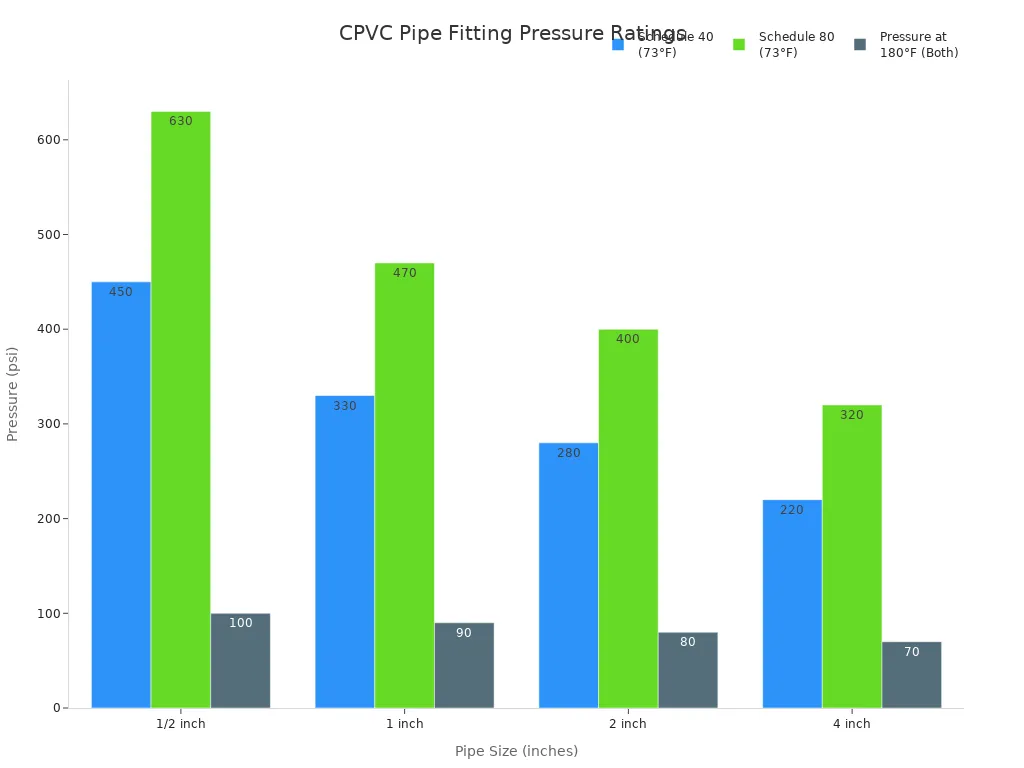
CPVC fittings maintain a normal operating range from -17°C to 93°C (0-200°F). They can handle short-term peaks up to 110°C (230°F) for no more than one hour. Additionally, they retain physical integrity down to -40°C, making them versatile for various environments.
Benefits and Limitations
CPVC pipe fittings offer several advantages over other plastic pipe materials. They are resistant to high temperatures and pressures, have a longer lifespan, and are immune to degradation from chlorine exposure. Notably, CPVC is self-extinguishing when exposed to flame. However, it is essential to consider some limitations. For instance, while PEX is more flexible, it has greater pressure drops and can sag or fail when exposed to flames. Additionally, PP-R is more expensive and takes longer to install, while PVC cannot withstand high temperatures.
PPR Pipe Fittings
PPR (Polypropylene Random Copolymer) pipe fittings are gaining popularity in plumbing and heating systems due to their unique properties. These fittings are known for their durability and resistance to corrosion, making them ideal for various applications. Here are some defining characteristics of PPR fittings:
- Durability: PPR fittings withstand harsh conditions, ensuring a long lifespan.
- Chemical Resistance: They resist most acids, bases, and solvents, making them suitable for diverse environments.
- Thermal Stability: PPR fittings can handle temperatures ranging from 32°F to 203°F, accommodating both hot and cold water applications.
- Versatility: Commonly used in residential hot and cold water supply systems, they also serve commercial and industrial plumbing needs. Additionally, PPR fittings are increasingly popular in agricultural irrigation and underfloor heating systems.
When comparing PPR fittings to PVC and CPVC fittings, several advantages and disadvantages emerge:
| Feature | PPR Fittings | PVC Fittings | CPVC Fittings |
|---|---|---|---|
| Initial Cost | Higher initial material cost | Lower initial cost | Middle to higher range |
| Lifecycle Cost | Lower overall due to longevity | Higher maintenance costs | Justified by performance |
| Installation Ease | Faster with heat fusion welding | Traditional methods required | More complex installation |
| Environmental Impact | 100% recyclable, lower impact | Recyclable in some regions | Environmental concerns due to chlorine |
| Temperature Resistance | Wide range, but can deform in extreme heat | Good, but can be damaged by impact | Superior, but can be complex to recycle |
| Corrosion Resistance | Excellent, does not rust | Susceptible to physical damage | Good, but less than PPR |
PPR fittings stand out for their environmental benefits. They are 100% recyclable and have a lower environmental impact compared to PVC and CPVC fittings. While PVC fittings are recyclable in some regions, they raise concerns due to chlorine use in production. CPVC fittings also face scrutiny due to the energy-intensive processes involved in their production.
HDPE Pipe Fittings
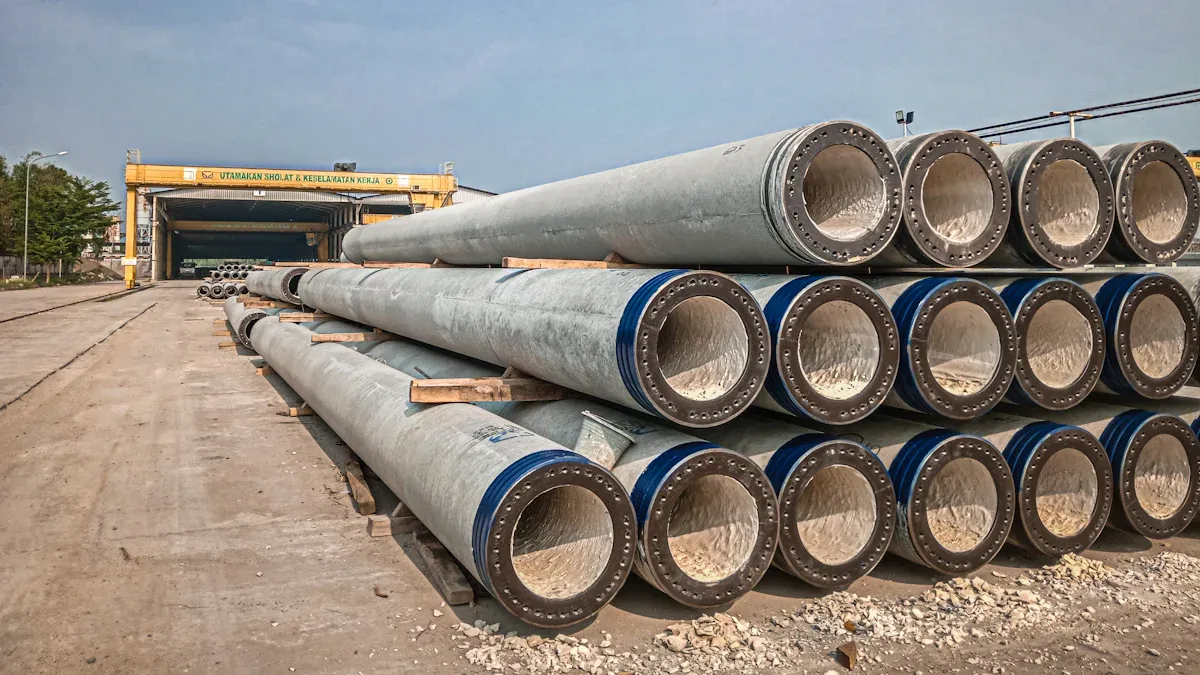
HDPE (High-Density Polyethylene) pipe fittings are renowned for their strength, flexibility, and resistance to various environmental factors. These fittings find extensive use in water supply systems, industrial applications, and agricultural irrigation due to their durability and performance.
Common Uses and Installation Methods
HDPE pipe fittings are versatile and can be installed using several methods. The following table outlines the most common installation techniques:
| Installation Method | Description |
|---|---|
| Direct Burial | Involves digging a trench to lay the pipe at depths ranging from 2 to 25 feet, depending on traffic conditions. |
| Slip Lining | New HDPE pipes are inserted into existing deteriorated lines, effectively rehabilitating various piping structures. |
| Pipe Bursting | A trenchless method that replaces old pipes by pulling new HDPE pipes through them, minimizing disruption and costs. |
| Horizontal Directional Drilling | Drills a borehole under obstacles to install HDPE pipes, allowing for installation in challenging locations without traditional digging. |
| Micro-Trenching | Cuts a small trench for installing smaller conduits, allowing for quick installation with minimal traffic disruption. |
Mechanical and Chemical Resistance Properties
HDPE pipe fittings exhibit exceptional mechanical and chemical resistance properties, making them suitable for various applications. The following table summarizes these properties:
| Property Type | Description |
|---|---|
| Chemical Resistance | Exceptional resistance to strong acids, bases, alcohols, salt solutions, and detergents. |
| Mechanical Strength | High stiffness (flexural modulus 800-1,400 MPa) and tensile strength (26-33 MPa) compared to LDPE. |
| UV Resistance | Requires additives for outdoor applications to prevent degradation from UV radiation. |
| Corrosion Resistance | Highly resistant to corrosive agents, suitable for harsh environments. |
| Thermal Stability | Resistant to high temperatures, suitable for applications requiring thermal resistance. |
| Dimensional Stability | Virtually zero water absorption (<0.01%), ensuring stability in wet environments. |
Pressure and Temperature Ratings
Understanding the pressure and temperature ratings of HDPE pipe fittings is crucial for ensuring safe operation. The following table outlines the standard ratings according to international standards:
| Specification Type | Details |
|---|---|
| Pressure Ratings | PN10, PN12.5, PN16, PN20 (maximum pressure in bars at 20°C) |
| Temperature Limits | -40°C to 60°C (some high-performance grades can withstand higher temperatures) |
Benefits and Drawbacks
HDPE pipe fittings offer several advantages and disadvantages compared to other plastic materials. The following table summarizes these points:
| Feature | HDPE Benefits | HDPE Drawbacks |
|---|---|---|
| Durability | Can withstand UV rays for over 20 years, resistant to corrosion and chemicals | High thermal expansion |
| Flexibility | Offers flexibility for installations and is lightweight | Subject to stress cracking |
| Leak Prevention | Provides leak-free joints through heat fusion | Difficult to bond |
| Environmental Impact | Recyclable and eco-friendly | Poor weathering resistance |
| Installation | Easy to transport and install | Flammable |
| Long-term Reliability | Good low-temperature impact resistance | Low strength/stiffness |
PVC vs CPVC fittings
When comparing PVC and CPVC fittings, several key differences emerge that influence their applications and performance.
Chemical Resistance
- CPVC exhibits superior resistance to common acids and alkalis, making it ideal for industrial liquid handling.
- PVC, while resistant to ammonia and some amines, shows limitations in certain chemical environments.
| Property | PVC | CPVC |
|---|---|---|
| Resistance to Ammonia | Good resistance, even at elevated temperatures | Extremely poor resistance |
| Resistance to Amines | Generally good resistance | Limited resistance, even at ambient temperatures |
| Chemical Reactivity | Lower reactivity with amines | Higher reactivity due to chlorine availability |
Installation Processes and Costs
- CPVC fittings typically cost more than PVC, affecting both material and installation expenses.
- CPVC requires specific solvents and cements, which can further increase installation costs compared to PVC.
- PVC remains more cost-effective for cold water and drainage applications, while CPVC is preferred for hot water systems due to its higher temperature resistance.
Temperature and Pressure Ratings
- PVC fittings have a maximum service temperature that limits their use in high-temperature applications.
- CPVC fittings can handle higher temperatures, rated up to 200°F (93.3°C), and maintain pressure ratings suitable for hot water applications.
| Material | Maximum Service Temperature | Pressure Rating at 73°F | Pressure Rating at Elevated Temperature |
|---|---|---|---|
| PVC | Limited | 480 psi | None |
| CPVC | Higher | 480 psi | 100 psi at 180°F |
Maintenance and Reliability
- Buildings using CPVC for hot water lines experience 30% fewer pipe failures compared to traditional materials.
- CPVC’s reliability reduces the risk of leaks or failures, leading to fewer repairs over time.
Comparison of Pipe Fittings
When selecting pipe fittings for plumbing and construction projects, understanding the differences between PVC, CPVC, PPR, and HDPE is essential. Each material offers unique advantages and disadvantages that can significantly impact project outcomes.
Cost and Durability
| Pipe Type | Material Cost | Durability | Application |
|---|---|---|---|
| PVC | Lower initial price | Brittle, may crack in cold weather | General plumbing |
| HDPE | Slightly more expensive | Exceptional resistance, lasts longer | Ideal for underground systems and harsh environments |
- HDPE fittings resist impact, abrasion, and environmental stress cracking.
- PVC fittings are more brittle and can crack under extreme conditions.
- HDPE systems can last significantly longer than PVC, especially in harsh environments.
Environmental Impact
- CPVC: Lower environmental impact than PPR, recyclable, uses less energy in production.
- PPR: More eco-friendly than CPVC and PVC, 100% recyclable, higher energy consumption in production.
- PVC: Environmental concerns due to chlorine use, recyclable in some regions.
Application Suitability
| Pipe Material | Key Advantages | Best Use Case |
|---|---|---|
| PPR | Excels in hot water, eco-friendly | Hot water systems |
| PVC | Cost-effective for cold water | Cold water systems |
| CPVC | Handles high temperatures and harsh chemicals | High-temperature applications |
| HDPE | Flexible and resistant to impact | Various applications, especially in outdoor settings |
Industry Recommendations
- Environmental Impact: PPR has a lower environmental impact during manufacturing compared to CPVC, which contains chlorine and requires special handling. HDPE is highly recyclable and has a low carbon footprint.
- Cost Considerations: HDPE is generally the most economical for large-scale applications, while PPR offers long-term benefits due to lower maintenance costs.
- Application Suitability: PPR is ideal for domestic hot and cold water supply, CPVC is suitable for hot water and chemical lines, and HDPE is best for outdoor and industrial piping.
Understanding these comparisons helps professionals make informed decisions when choosing between PVC vs CPVC fittings and other materials for their specific needs.
Understanding the differences between PVC, CPVC, PPR, and HDPE pipe fittings is crucial for successful plumbing and construction projects. Each material offers unique properties:
| Property | PVC | HDPE |
|---|---|---|
| Durability | Less durable, prone to cracking under stress | More durable, withstands harsh conditions |
| Chemical Resistance | Resistant to alkalis, acids, and organic solvents | Superior in polar solvent applications |
| Thermal Properties | Melting point 160°C – 220°C | Melting point 120°C – 130°C |
| Cost | Generally cheaper upfront | Higher initial cost but better long-term value |
When selecting pipe fittings, consider these best practices:
- Ensure material compatibility to prevent chemical reactions.
- Choose fittings with pressure ratings exceeding system demands.
- Select fittings rated for expected temperatures to avoid leaks.
- Consider connection types based on installation and maintenance needs.
- Use fittings that comply with industry standards for safety.
Making informed decisions leads to efficient and reliable plumbing systems. Prioritize quality and suitability to enhance project outcomes.
FAQ
What is the main difference between PVC and CPVC fittings?
PVC fittings are suitable for cold water applications, while CPVC fittings can handle higher temperatures, making them ideal for hot water systems. CPVC also offers better chemical resistance than PVC.
Are PPR fittings environmentally friendly?
Yes, PPR fittings are 100% recyclable and have a lower environmental impact compared to PVC and CPVC. Their production processes consume less energy, making them a sustainable choice for plumbing systems.
Can HDPE fittings be used for drinking water?
Absolutely! HDPE fittings are safe for drinking water applications. They are resistant to chemicals and do not leach harmful substances, ensuring safe water transport.
How do I choose the right pipe fitting material?
Consider factors such as temperature, pressure requirements, and chemical exposure. PVC is cost-effective for cold water, while CPVC suits hot water. PPR offers durability, and HDPE provides flexibility and strength.
What installation methods are available for HDPE fittings?
Common installation methods for HDPE fittings include direct burial, slip lining, pipe bursting, horizontal directional drilling, and micro-trenching. Each method suits different project needs and site conditions.


