

PPR piping provides unmatched safety and durability for water systems. As concerns grow over traditional piping materials, the need for change becomes evident. Many homeowners and businesses face significant risks with conventional options. The table below highlights the failure probabilities of various pipe materials within the first 15 years:
| Pipe Material | Failure Probability (First 15 Years) | Notes |
|---|---|---|
| PE | High | Early installation flaws may contribute |
| GI | Highest among materials | Requires frequent inspections |
| DI | High | Requires frequent inspections |
| CI | Low at early age, increases with time | Corrosion increases failure probability over time |
PPR’s unique properties make it a superior choice for both residential and commercial applications. Non-toxic PPR plumbing for residential use enhances safety, while high-temperature resistance PPR pipes ensure reliability in hot water transport. Additionally, PPR valves complement the system, providing efficient control over water flow. When considering what is the safest piping material for potable water systems, PPR pipe and fittings stand out as an excellent option. Furthermore, many homeowners often wonder, how do PPR pipes perform in hot water transport? The answer lies in their ability to withstand high temperatures without compromising integrity.
Key Takeaways
- PPR piping lasts between 50 to 100 years, making it a long-lasting choice for water systems.
- PPR pipes are non-toxic and do not leach harmful substances, ensuring safe drinking water.
- PPR’s resistance to corrosion and leaks reduces maintenance costs and enhances reliability.
- PPR pipes can handle high temperatures up to 95°C, making them ideal for hot water applications.
- Using PPR piping supports environmental sustainability through recyclability and lower carbon emissions.
Benefits of PPR Pipe and Fittings
Durability and Longevity
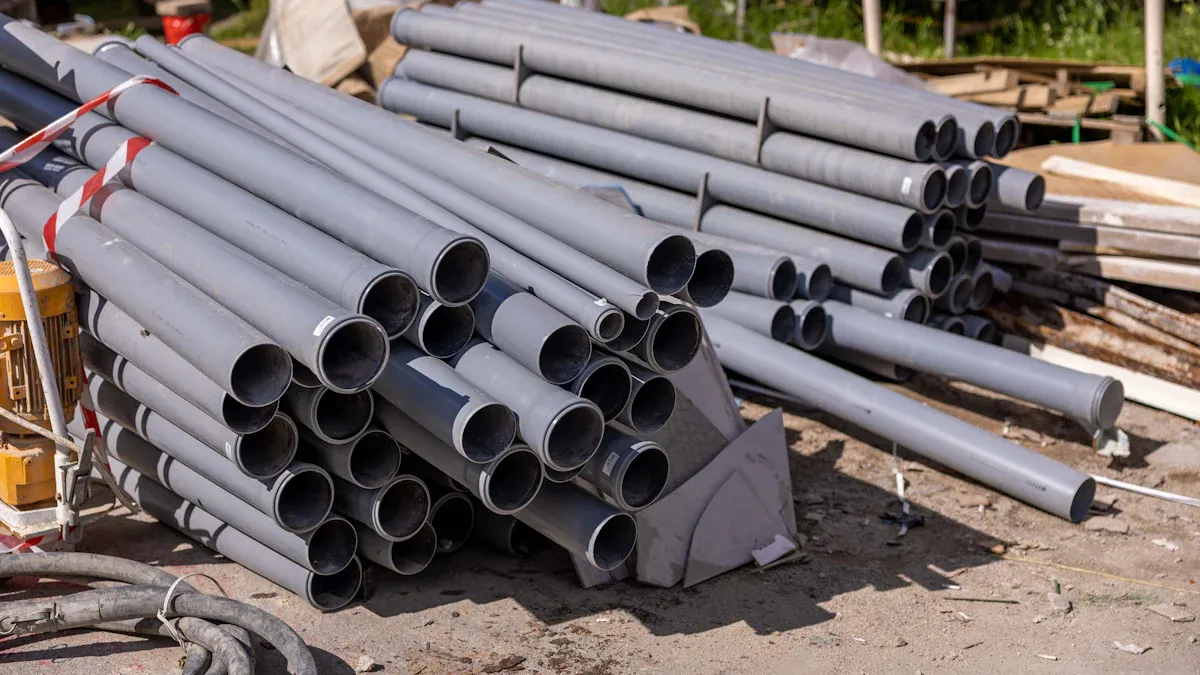
PPR pipe and fittings exhibit exceptional durability, making them a reliable choice for both residential and commercial applications. Studies indicate that PPR pipes can last between 50 to 100 years, significantly outpacing other common materials. For instance, copper pipes typically last around 50 years, while PVC and galvanized steel have average lifespans of only 25 to 40 years and 20 to 30 years, respectively.
| Material | Average Lifespan |
|---|---|
| PPR | 50 to 100 years |
| Copper | 50 years |
| PVC | 25 to 40 years |
| Galvanized Steel | 20 to 30 years |
Real-world examples further illustrate the longevity of PPR systems. A large-scale hospitality complex in Dubai implemented PPR piping for hot and cold water distribution. After five years, the system achieved zero leaks and demonstrated significant energy savings. Similarly, an industrial chemical plant in Germany utilized a customized PPR system that provided chemical resistance and operated continuously for eight years without corrosion-related failures.
Resistance to Corrosion
One of the standout features of PPR pipe and fittings is their remarkable resistance to corrosion. Unlike metal pipes, which often require protective coatings to prevent rust and degradation, PPR pipes remain unaffected by corrosive elements. This characteristic not only extends the lifespan of the piping system but also ensures the quality of the water transported through it.
- PPR pipes are non-toxic and lightweight.
- They do not suffer from scale buildup over time, unlike copper.
- Steel pipes necessitate maintenance to prevent corrosion, while PPR requires no such upkeep.
Corrosion in traditional piping materials can lead to significant structural damage and health risks. For example, copper pipes can leach harmful substances into drinking water, posing health risks such as nausea and liver damage. In contrast, PPR pipes do not leach harmful chemicals, ensuring safe drinking water.
Non-Toxic Materials
PPR pipe and fittings are made from chemically inert materials, which means they do not react with the substances they transport. This property guarantees safety for drinking water applications. Numerous certifications confirm the non-toxic nature of PPR materials, including:
| Certification | Description |
|---|---|
| ISO 14001 | Confirms commitment to minimizing environmental impact through efficient waste management. |
| NSF/ANSI 61 | Guarantees no harmful chemical leaching into drinking water. |
| EN 12201 | Ensures structural integrity under pressure and resistance to chemical corrosion. |
| China Environmental Labeling | Confirms low-carbon production processes. |
| EU REACH Registration | Ensures safe chemical substance management. |
PPR pipes do not leach harmful substances like lead, making them a safer alternative to metal pipes. Studies have shown that the migration of substances from PPR pipes into water remains significantly below safety limits established by international standards.
Safety Features of PPR Pipe and Fittings
Leak Prevention
PPR pipe and fittings excel in leak prevention, a critical aspect of any water distribution system. Their design incorporates heat-fusion joints, which create a seamless connection between pipes. This method results in a leak-proof nature that significantly reduces the likelihood of water loss. In fact, studies show that PPR systems can reduce leaks by over 80% compared to traditional threaded connections.
- Key Features Contributing to Leak Prevention:
- Welded Joints: These joints are 100% airtight and watertight, effectively preventing leaks.
- Structural Strength: The joints possess strength comparable to the pipe itself, allowing them to withstand high pressures without failure.
In areas prone to seismic activity, PPR pipes demonstrate remarkable flexibility. This flexibility helps prevent damage and leaks, unlike rigid cast-iron pipes that often crack under stress.
High-Temperature Resistance
PPR pipes are designed to endure high temperatures, making them suitable for various applications. They can withstand temperatures up to 95°C (203°F), which is significantly higher than the limits of copper and PVC pipes. While copper pipes are also used for hot water, they are more expensive and prone to corrosion. PVC pipes, on the other hand, have a lower temperature tolerance and can become brittle when exposed to heat.
- Real-World Applications:
- PPR pipes have been successfully utilized in large-scale commercial buildings for hot water delivery, showcasing their reliability in high-temperature operations.
- In industrial settings, PPR pipes effectively convey corrosive fluids and steam at elevated temperatures, proving to be a cost-effective and low-maintenance alternative to traditional materials.
Impact Resistance
Impact resistance is another critical safety feature of PPR pipe and fittings. Their molecular structure, which includes ethylene, enhances ductility and reduces the risk of brittle failure. This characteristic allows PPR pipes to perform well under normal conditions, although they may exhibit lower impact resistance in freezing temperatures compared to metal pipes.
- Comparison with Other Materials:
- PPR pipes are ideal for hot water and heating systems, offering environmental benefits.
- PVC pipes are suitable for cold water and drainage applications, serving as a cost-effective option.
- CPVC pipes can withstand high temperatures and harsh chemicals, making them suitable for demanding applications.
Choosing the right pipe material based on the temperature of the water and the chemicals present is crucial for ensuring longevity and performance. PPR pipe and fittings stand out as a safe and reliable choice for both residential and commercial water systems.
Environmental Impact of PPR Pipe and Fittings
Recyclability
PPR pipe and fittings offer significant advantages in terms of recyclability. Recycling PPR pipes reduces the need for virgin material extraction and processing. Established recycling programs for construction materials often include PPR pipes. The recycling process typically involves several steps:
- Collection of used pipes
- Cleaning to remove contaminants
- Shredding into smaller pieces
- Melting to create new products
This process not only conserves resources but also minimizes waste in landfills.
Reduced Carbon Footprint
The use of PPR piping contributes to overall reductions in greenhouse gas emissions within the construction industry. Key factors include:
- PPR pipes can be recycled and reused, which helps reduce the demand for new raw materials.
- The production of PPR pipes involves fewer energy-intensive steps, leading to lower greenhouse gas emissions compared to alternative materials.
- PPR pipes have a long lifespan, reducing the need for frequent replacements and the associated environmental costs.
- Manufacturing PPR fittings requires less energy than producing metal fittings, resulting in fewer carbon emissions.
These factors collectively support a more sustainable approach to plumbing systems.
Energy Efficiency in Production
Energy efficiency plays a crucial role in the sustainability of building projects that utilize PPR pipe and fittings. Notable benefits include:
- PPR fittings contribute to reduced energy consumption in plumbing systems.
- They help retain heat in hot water lines, reducing the load on water heaters.
- PPR-FR pipes exhibit low thermal conductivity, leading to energy efficiency.
- Buildings using these pipes require less energy for temperature maintenance, enhancing sustainability.
The recyclable nature of PPR materials promotes responsible waste management, supporting a circular economy and reducing greenhouse gas emissions during production.
Cost-Effectiveness of PPR Pipe and Fittings
Lower Installation Costs
PPR pipe and fittings offer significant advantages in installation costs compared to traditional materials like copper and galvanized steel. The installation process for PPR is straightforward, primarily due to the thermal fusion welding technique. This method allows for quick and efficient connections, reducing labor time.
- PPR piping systems have a lifespan exceeding 50 years.
- They are corrosion-free and hygienic, suitable for both hot and cold water applications.
- Installation is easy and quick, leading to lower labor costs.
In contrast, galvanized steel pipes often incur higher initial costs and require regular maintenance, which can lead to increased long-term expenses.
Reduced Maintenance Expenses
The maintenance requirements for PPR pipes are minimal, contributing to lower overall costs for building owners. The smooth, non-scaling surfaces of PPR pipes reduce the need for frequent cleaning and repairs.
| Aspect | Impact on Cost of Ownership |
|---|---|
| Maintenance Requirements | Minimal upkeep due to smooth, non-scaling surfaces |
| Repair Needs | Reduced need for expensive cleaning and repairs |
| Lifespan | Extended lifespan of plumbing systems |
| Special Treatments | No special treatments or coatings required |
| Overall Cost Savings | Significant long-term cost savings for building owners |
This lack of required maintenance translates into substantial savings over time, making PPR an economically sound choice.
Long-Term Savings
Investing in PPR piping systems yields considerable long-term savings. Their durability and low maintenance needs result in reduced operational costs. For example, a residential development in Beijing realized $1.2 million in material costs by using PPR pipes, alongside a 10% faster installation rate compared to previous projects.
- Lifespan exceeding 50 years with minimal maintenance.
- Energy savings from efficient heat transfer, leading to up to 12% lower energy bills.
- Resistance to scale buildup, reducing cleaning requirements.
These factors collectively enhance the cost-effectiveness of PPR pipe and fittings, making them a smart investment for both residential and commercial applications.
PPR piping stands out as a safe, durable, and environmentally friendly option for water systems. Its unique properties ensure that it does not leach harmful substances, making it ideal for drinking water applications. For instance, the Shanghai Pudong High-Speed Hospital project utilized over 60,000 meters of PPR pipe and fittings, achieving zero failures in hydrostatic tests and eliminating corrosion.
As the demand for sustainable solutions grows, PPR pipes will likely see increased adoption. Innovations in material technology and installation techniques will further enhance their appeal. Transitioning to PPR can significantly improve water safety in various settings, emphasizing the need for modern solutions in plumbing systems.
FAQ
What is PPR piping?
PPR piping, or Polypropylene Random Copolymer piping, is a type of plastic pipe known for its durability, resistance to corrosion, and non-toxic properties. It is widely used in both residential and commercial water systems.
How long does PPR piping last?
PPR piping can last between 50 to 100 years, significantly outlasting many traditional materials like copper and PVC. Its longevity makes it a cost-effective choice for plumbing systems.
Is PPR piping safe for drinking water?
Yes, PPR piping is safe for drinking water. It is made from non-toxic materials that do not leach harmful substances, ensuring the quality and safety of the water transported through it.
Can PPR pipes handle high temperatures?
PPR pipes can withstand temperatures up to 95°C (203°F). This high-temperature resistance makes them suitable for hot water applications, outperforming many traditional piping materials.
How does PPR piping contribute to environmental sustainability?
PPR piping is recyclable and has a lower carbon footprint compared to traditional materials. Its long lifespan and energy-efficient production processes support sustainable plumbing practices.


