
What Is an Angle Valve and How Does It Work?
An Angle Valve is an essential component used in residential plumbing systems, commercial water supply networks, and industrial piping applications. Designed with a 90-degree outlet structure, the valve changes the direction of water flow while controlling pressure and flow rate efficiently. Compared with straight valves, an Angle Valve saves installation space and allows users to shut off water quickly for maintenance or emergency repairs.
The working principle of an Angle Valve is relatively simple. When the handle is rotated, the valve stem moves the internal sealing component to open or close the water passage. High-quality Angle Valves are commonly manufactured from durable materials such as PVC, CPVC, PP, brass, or stainless steel to ensure corrosion resistance and long service life. In the plumbing industry, Angle Valves are also referred to as Angle Stop Valves, Shut Off Valves, or Water Control Valves because of their similar flow control functions.
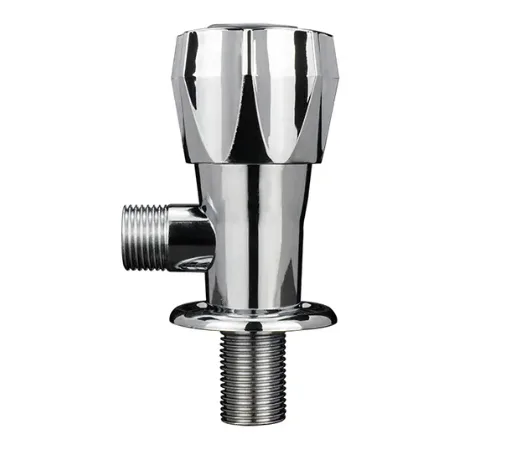
Main Parts of an Angle Valve
A standard Angle Valve consists of several important components that directly affect its performance and durability.
The valve body is the main structure that connects the piping system and withstands internal pressure. The valve core controls the opening and closing mechanism of the fluid flow. The handle allows users to manually operate the valve with ease, while the sealing ring prevents leakage and improves sealing performance.
Modern Angle Valve manufacturers often use precision injection molding technology and high-quality sealing materials to improve pressure resistance and corrosion protection. Many industrial-grade valves are specifically designed for hot and cold water systems, chemical transportation pipelines, agricultural irrigation systems, and water treatment equipment.
Common Applications of Angle Valve in Plumbing Systems
Angle Valves are widely used in residential, commercial, and industrial plumbing systems. In household applications, they are commonly installed under sinks, wash basins, toilets, water heaters, and kitchen faucets. Their compact design makes them ideal for installations in limited spaces while still providing reliable water flow control.
In industrial environments, PVC Angle Valves and Plastic Angle Valves are frequently used in chemical processing systems, irrigation projects, wastewater treatment facilities, and cooling equipment because of their excellent corrosion resistance and lightweight structure. Related plumbing products such as Flow Control Valves, Pipe Fitting Valves, and Pressure Control Valves are also commonly used together to create efficient fluid management systems.
Advantages of Using High-Quality Angle Valves
Using a high-quality Angle Valve can significantly improve the safety and reliability of a plumbing system. Premium valves offer superior corrosion resistance, reducing the risk of rust, leakage, and long-term damage. Their advanced sealing structures also help minimize maintenance costs and improve overall water efficiency.
Compared with traditional metal valves, Plastic Angle Valves are lighter, easier to install, and more resistant to chemicals and scaling. These advantages make them increasingly popular in modern PVC piping systems and environmentally friendly engineering projects. For global construction and industrial markets, certified Angle Valve products help ensure long-term operational stability and compliance with international quality standards.
Why Choose Pntek for Angle Valve Solutions?
Pntek specializes in the manufacturing and development of plastic valves, pipe fittings, and fluid control system solutions. The company offers a wide range of products including PVC valves, PP valves, Ball Valves, Angle Valves, irrigation fittings, and industrial piping accessories, which are widely used in agricultural irrigation, water supply systems, industrial transportation, and building construction projects.
With advanced injection molding equipment, strict quality management systems, and an experienced technical team, Pntek provides customers worldwide with durable, high-performance valve solutions. The company focuses on product innovation, reliable manufacturing processes, and international quality standards to deliver safe, efficient, and environmentally friendly fluid control products.
Visit the official website for more product information and industry insights: https://www.pntekplastblog.com/
FAQ
What is the main function of an Angle Valve?
The primary function of an Angle Valve is to control water flow, regulate pressure, and allow users to shut off the water supply quickly when needed.
Where are Angle Valves commonly used?
Angle Valves are commonly installed in bathrooms, kitchens, wash basins, toilets, water heaters, washing machines, and industrial piping systems.
What materials are commonly used for Angle Valves?
Common materials include PVC, CPVC, PP, brass, and stainless steel. Each material is selected based on pressure requirements and application environments.
Why are Plastic Angle Valves becoming more popular?
Plastic Angle Valves are lightweight, corrosion-resistant, easy to install, and cost-effective, making them ideal for modern plumbing and PVC piping systems.
How do you choose a high-quality Angle Valve?
When selecting an Angle Valve, it is important to consider material quality, sealing performance, pressure resistance, connection standards, and the manufacturer’s technical capabilities and certifications.


