
PPR Pipe Benefits for Hot and Cold Water Supply Systems
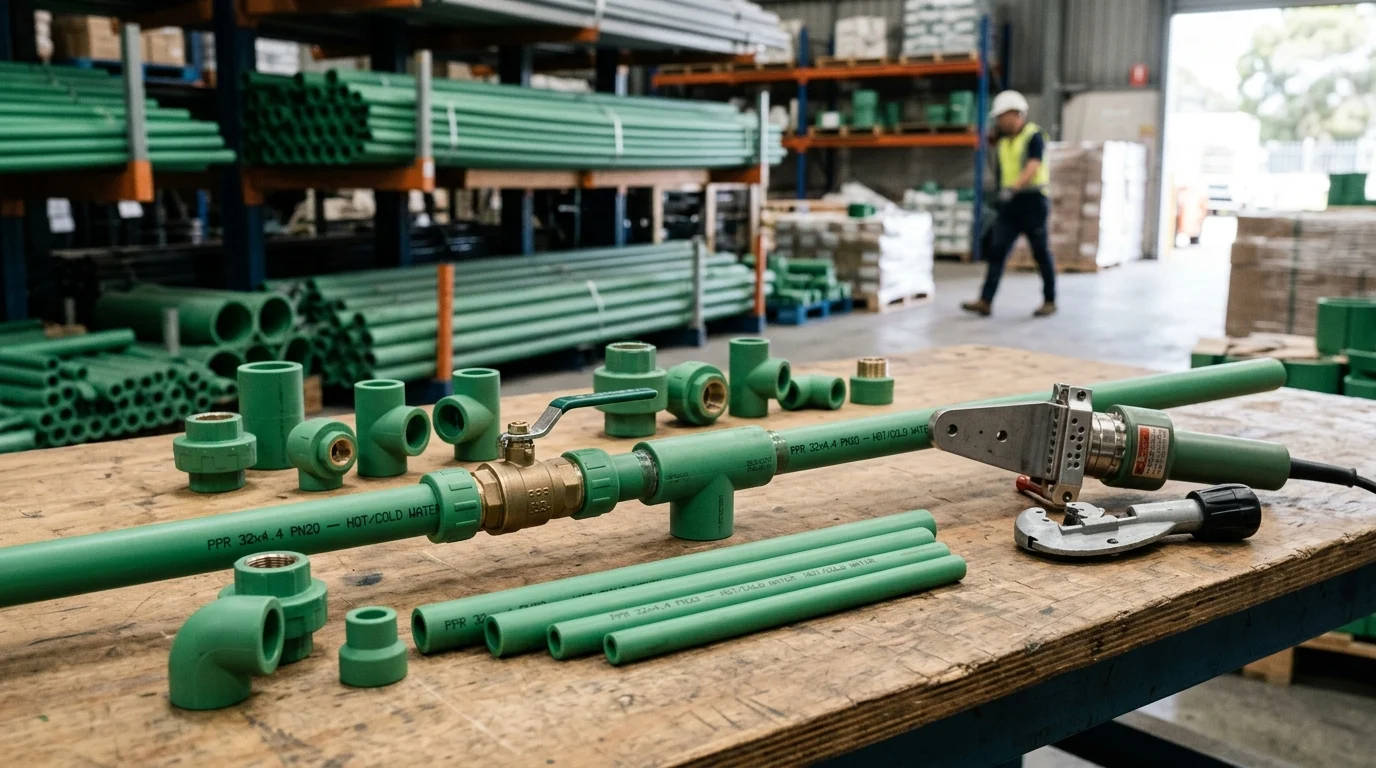
Why PPR Pipe Benefits Matter in B2B Procurement
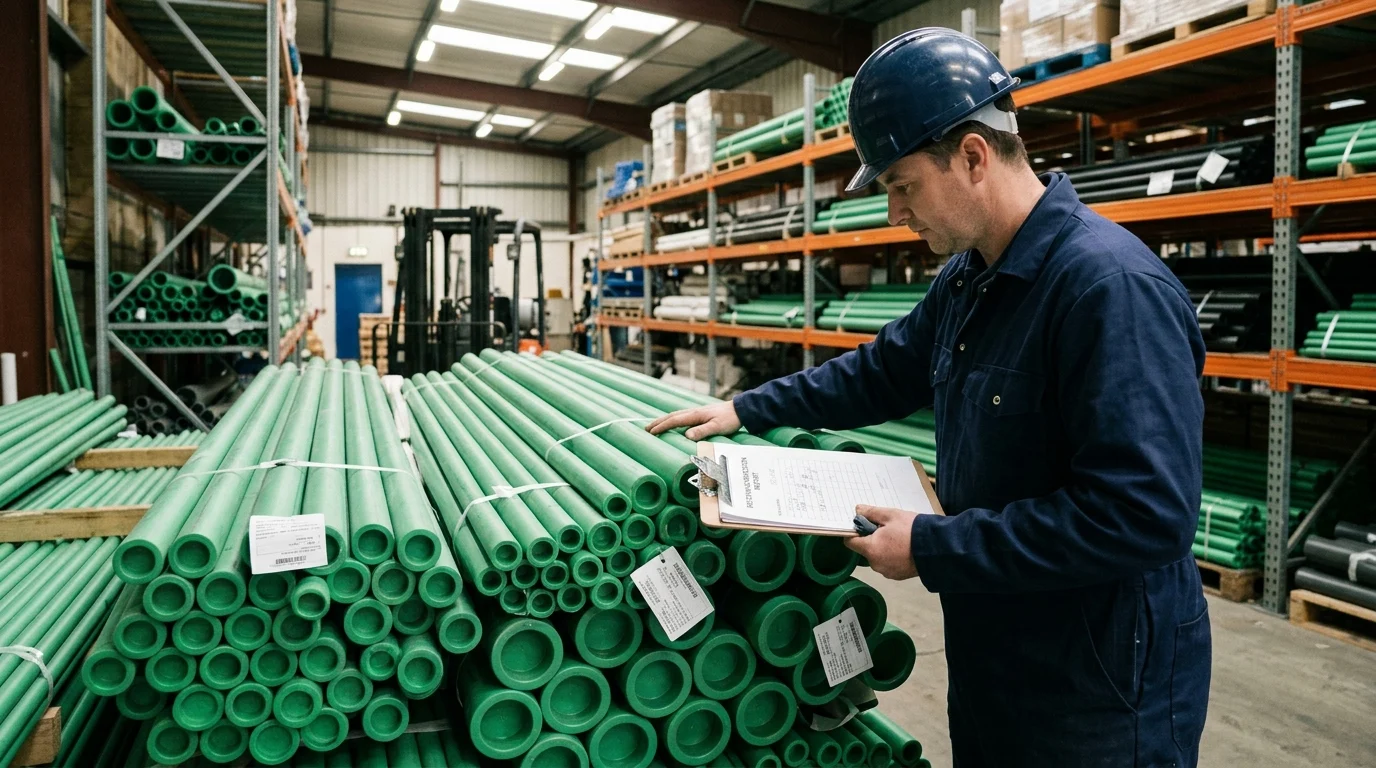
Polypropylene Random Copolymer (PPR) pipes have fundamentally shifted the global plumbing and fluid transport landscape. For B2B wholesale buyers, distributors, and procurement teams, understanding PPR pipe benefits is no longer just a technical necessity but a critical commercial strategy. Transitioning from traditional metal and standard PVC to advanced PPR systems represents a massive opportunity to capture market share across residential, commercial, and industrial construction sectors.
Procurement officers evaluating fluid transport systems must look beyond per-meter pricing. PPR offers a unique combination of thermal stability, chemical resistance, and installation efficiency that directly impacts the bottom line of large-scale construction projects. By stocking high-quality PPR, distributors can position themselves as premium suppliers, catering to contractors who demand zero-leakage guarantees and 50-year service lifespans.
Furthermore, the macro-economic environment—characterized by volatile metal prices and increasing regulatory scrutiny on water safety—makes PPR an exceptionally stable category. Wholesale buyers can leverage the predictable cost of polymer raw materials to forecast inventory expenses accurately, ensuring consistent margins even during periods of supply chain disruption.
Commercial drivers for distributors and importers
Distributors and importers are primarily driven by margin expansion and volume consistency. PPR pipes address both drivers by offering highly competitive manufacturing costs alongside premium market positioning. Because PPR systems require proprietary fittings and welding tools, distributors can lock contractors into an ecosystem, driving repeat purchases and increasing the lifetime value of B2B accounts.
Impact on total procurement cost and channel reputation
Total procurement cost extends far beyond the initial invoice. PPR’s lightweight nature reduces international freight costs, while its extreme durability minimizes damage during transit and warehousing. For channel reputation, supplying a product that eliminates scaling, corrosion, and pinhole leaks drastically reduces warranty claims and after-sales liabilities, protecting the importer’s brand equity in competitive regional markets.
Best-fit wholesale buying scenarios
The most lucrative wholesale buying scenarios for PPR involve large-scale urban development projects, hospital construction, and high-rise commercial buildings. Procurement teams supplying these sectors benefit from ordering high volumes of standardized SKUs. Additionally, government tenders for municipal water upgrades increasingly specify PPR, making it an essential portfolio addition for B2B distributors bidding on public contracts.
Key PPR Pipe Benefits and Technical Basics
At its core, PPR is engineered for superior molecular stability, allowing it to withstand prolonged mechanical stress under varying temperature extremes. Unlike standard polymers, the random copolymerization process ensures that the material maintains high impact strength without sacrificing flexibility. This technical foundation is what allows PPR to dominate modern plumbing specifications globally.
For procurement teams, understanding the technical specifications is vital for accurate sourcing. PPR pipes are categorized by their Standard Dimension Ratio (SDR) and nominal pressure (PN) ratings, which dictate wall thickness and maximum operating pressure. Selecting the correct technical parameters ensures that the imported inventory matches local building codes and specific project requirements.
The inherent PPR heat resistance is one of the most critical factors for hot water applications. High-grade PPR can operate continuously at temperatures up to 70°C and handle short-term spikes up to 95°C without structural degradation. This thermal capacity, combined with its acoustic insulation properties, makes it the default choice for modern HVAC and potable water networks.
Material grade, pressure class, and temperature rating
PPR is typically manufactured using Type 3 polypropylene, known for its optimal balance of melt flow and structural integrity. B2B buyers must specify the correct pressure class—usually PN10 or PN16 for cold water, and PN20 or PN25 for hot water. Understanding the correlation between temperature ratings and pressure derating curves is essential for approving supplier specifications.
Benefits for hot and cold water systems
PPR acts as a natural insulator, significantly reducing heat loss in hot water lines and preventing condensation in a PPR cold water system. Furthermore, the material is biologically inert and does not impart any taste or odor to the water, ensuring strict compliance with stringent international health and safety standards for potable water delivery.
Dimensions, SDR, and fitting compatibility
Standard commercial PPR pipes range from 20mm to 160mm in outer diameter, with larger sizes available for industrial applications. The SDR rating (typically SDR11 to SDR6) determines the pipe’s robust wall thickness. Importers must ensure strict dimensional tolerances to guarantee seamless compatibility with socket fusion fittings, as even minor deviations can compromise joint integrity.
PPR vs. PVC, CPVC, and Metal Pipes
When procurement teams evaluate pipeline materials, PPR consistently outperforms traditional alternatives in specific, high-value metrics. While standard PVC is cost-effective for drainage, it lacks the thermal capacity for pressurized hot water. Metal pipes, such as copper and galvanized steel, suffer from scaling, corrosion, and extreme price volatility. PPR bridges these gaps by offering the chemical inertness of plastics with the thermal resilience needed for demanding applications.
To make informed purchasing decisions, B2B buyers must analyze the total cost of ownership across different materials. While CPVC offers high temperature resistance, it requires solvent cements that can introduce VOCs (Volatile Organic Compounds) and become brittle over time. PPR utilizes thermofusion welding, creating a homogeneous joint that is physically as strong as the pipe itself, effectively eliminating the weakest point in traditional plumbing.
Below is a high-level comparison of pipeline materials to guide wholesale procurement strategies:
| Feature | PPR Pipe | Standard PVC | CPVC | Copper / Metal |
|---|---|---|---|---|
| Joint Method | Heat Fusion | Solvent Cement | Solvent Cement | Soldering / Threading |
| Corrosion Risk | None | None | None | High |
| Heat Resistance | Up to 95°C (Spike) | Low (<60°C) | Up to 90°C | Very High |
| Cost Volatility | Low | Low | Medium | Very High |
Performance comparison across key materials
PPR excels in flow efficiency due to its exceptionally smooth inner surface, which prevents the accumulation of scale and sediment that typically plagues metal pipes. Compared to PVC and CPVC, PPR offers superior impact resistance, particularly in lower ambient temperatures during installation, reducing on-site breakage and material waste.
Where PPR delivers stronger channel value
For distributors, PPR delivers stronger channel value through price stability and lower freight logistics costs. Because polymer prices fluctuate less severely than global copper or steel indices, importers can secure long-term pricing agreements. The lightweight nature of PPR also maximizes container payload efficiency, lowering the landed cost per meter.
Limitations and trade-offs to assess
Despite its advantages, PPR is susceptible to UV degradation and should not be exposed to direct sunlight for prolonged periods without a protective outer layer. Additionally, PPR has a higher coefficient of thermal expansion compared to metals, meaning large commercial installations require careful planning with expansion loops and proper anchoring systems.
Specifications and Quality Control Checklist
Quality control is the most critical phase of B2B procurement for plumbing systems. A single defective batch can lead to catastrophic failures, resulting in massive liability for the distributor. Therefore, importers must establish rigorous QA/QC checklists that audit everything from raw material sourcing to final extrusion tolerances before authorizing container shipments.
Establishing clear PPR installation advantages relies entirely on manufacturing consistency. Wholesale buyers should mandate that factories provide comprehensive batch testing reports. This includes melt flow index (MFI) verification, oxidation induction time (OIT) testing, and longitudinal reversion checks to ensure the pipes will not warp or fail under operational stress.
Partnering with reputable OEMs requires verifying their in-house laboratory capabilities. Buyers should personally inspect or hire third-party auditors to confirm that the factory conducts long-term hydrostatic pressure testing and impact testing in accordance with international standards like ISO 15874.
Raw material traceability and hydrostatic testing
Top-tier PPR must be extruded from 100% virgin Polypropylene Random Copolymer resin; recycled materials drastically reduce the pipe’s lifespan and pressure tolerance. Procurement contracts must mandate traceability back to the resin manufacturer (e.g., Borealis, Hyosung) and require 1000-hour hydrostatic test certificates for every major production run.
Fusion welding, tolerances, and pressure testing
Because PPR relies on socket fusion, outer diameter and wall thickness tolerances must be precise to the fraction of a millimeter. QA checklists must include random sampling of pipes and fittings to perform destructive peel tests and burst pressure tests, ensuring the welded joints achieve absolute homogeneity.
OEM, private label, and sample approval points
For distributors building a private label brand, sample approval must cover aesthetic and functional points: color consistency, opacity (to prevent algae growth), and clear, indelible continuous striping and barcoding. Buyers must sign off on master samples before mass production begins to enforce strict compliance with the agreed specifications.
Compliance, Certifications, and Market Access
Navigating the complex web of international certifications is a mandatory step for importers looking to distribute PPR pipes. Without the correct localized approvals, B2B buyers will be locked out of lucrative public tenders, municipal projects, and major commercial developments. Compliance is not just a legal hurdle; it is a primary marketing tool that validates the premium positioning of the product.
Different regions demand specific testing protocols. European markets heavily rely on DIN and EN standards, while North American and Middle Eastern markets often look for NSF or specific ISO accreditations. Procurement teams must map out the regulatory landscape of their target distribution zones and ensure the chosen manufacturer holds active, verifiable certificates from recognized testing bodies.
Failing to secure proper documentation can result in customs delays, rejected shipments, or forced product recalls. Importers must integrate compliance checks into the earliest stages of supplier negotiations, requiring digital copies of all certificates and independently verifying their authenticity with the issuing laboratories.
Common standards and certifications
The fundamental global standard for PPR systems is ISO 15874, which governs the general requirements, pipes, and fittings for hot and cold water installations. Additionally, compliance with the German DIN 8077/8078 standards is widely recognized as a benchmark for high-quality PPR extrusion and dimensional accuracy.
Potable water compliance and audit documents
To be legally used in drinking water systems, PPR pipes must pass strict toxicological tests to ensure no harmful chemicals leach into the water. Importers must demand certifications such as NSF/ANSI 61, the UK’s WRAS, or France’s ACS. These documents prove the material is food-grade safe and biologically inert.
Regulatory and tender checks before entry
Before entering a new regional market or bidding on government contracts, distributors must conduct a gap analysis of their product’s certifications against local building codes. Many municipal tenders require recent third-party laboratory reports and factory ISO 9001/14001 audits, which must be secured long before the procurement deadline.
Sourcing, MOQ, Packaging, and Logistics
Optimizing the supply chain for PPR pipes requires balancing Minimum Order Quantities (MOQs) with freight efficiency. Because pipes are high-volume, low-weight items, shipping empty space ("shipping air") is a common pitfall that destroys profit margins. B2B buyers must work closely with suppliers to engineer container loading plans that maximize every cubic meter.
Strategic sourcing involves negotiating tiered pricing based on raw material market indices rather than flat rates, protecting the buyer from sudden polymer price spikes. Procurement teams must also align lead times with their domestic inventory turnover rates, ensuring continuous stock availability without over-leveraging warehouse space.
Packaging plays a dual role in logistics: protecting the product from UV exposure and physical damage, and facilitating rapid unloading and distribution at the destination. Proper labeling, robust bundling, and strategic mixing of pipes with dense fittings are essential tactics for optimizing the landed cost of imported PPR.
MOQ, lead time, and pricing structure
Manufacturers typically set MOQs based on raw material batches or container sizes, such as 5,000 meters per SKU or a minimum of one 20-foot container. Lead times generally range from 15 to 30 days. Pricing structures should be transparent, breaking down the cost of virgin resin, extrusion labor, and packaging to allow buyers to negotiate effectively.
Packaging, labeling, and pallet options
PPR pipes are usually packed in durable woven plastic bags to protect against dust and UV light during transit. Standard lengths are 4 meters (to fit 20FT containers) or 5.8 meters (for 40FT HQ containers). Importers should dictate clear labeling requirements, including batch numbers, pressure ratings, and scannable barcodes to streamline warehouse management.
Container loading, mixed SKUs, and Incoterms
To avoid shipping empty space, skilled procurement teams utilize telescopic loading—placing smaller diameter pipes inside larger ones—or mix bulky pipe shipments with heavy, dense cartons of PPR fittings and brass valves. Purchasing under FOB (Free On Board) terms usually gives the buyer better control over freight forwarder selection and shipping costs.
How Distributors Can Turn PPR Benefits into Growth
To maximize profitability, wholesale distributors must transition from merely selling pipes to providing comprehensive plumbing solutions. Understanding Why use PPR for plumbing? allows sales teams to educate contractors on the long-term labor savings and zero-maintenance benefits of the system. This consultative selling approach shifts the conversation away from a race to the bottom on price.
Distributors can drive significant growth by optimizing their product mix. By bundling pipes, proprietary fittings, valves, and specialized fusion welding tools, wholesalers create a closed-loop ecosystem. Contractors who adopt a specific distributor’s PPR brand are highly likely to return for compatible fittings and future project supplies, ensuring recurring B2B revenue.
Furthermore, leveraging the technical superiority of PPR allows distributors to target higher-margin commercial sectors. By providing robust technical data sheets, BIM (Building Information Modeling) objects, and on-site training for contractors, distributors elevate their channel reputation, differentiating themselves from low-cost, commodity-driven competitors.
Product mix, fittings, and bundle strategy
A successful PPR strategy requires stocking a comprehensive range of SKUs. Selling straight pipes yields lower margins; the real profitability lies in the complex fittings, brass-inserted transition joints, and manifolds. Bundling these items into complete project kits simplifies purchasing for contractors and increases the average order value for the distributor.
Supplier comparison by margin, claims, and support
When evaluating manufacturing partners, buyers must look beyond the initial FOB price. True supplier value is measured by defect rates, responsiveness to warranty claims, and the provision of marketing collateral. A supplier that offers robust technical support and co-branded literature significantly reduces the distributor’s localized marketing costs.
Decision framework for supplier selection
Procurement teams should utilize a strict decision framework that weights factory production capacity, tooling availability for custom fittings, and financial stability. A supplier’s ability to scale operations rapidly and maintain strict quality control during peak production seasons is vital for distributors handling large, time-sensitive construction contracts.
Common B2B Questions on PPR Pipe Benefits
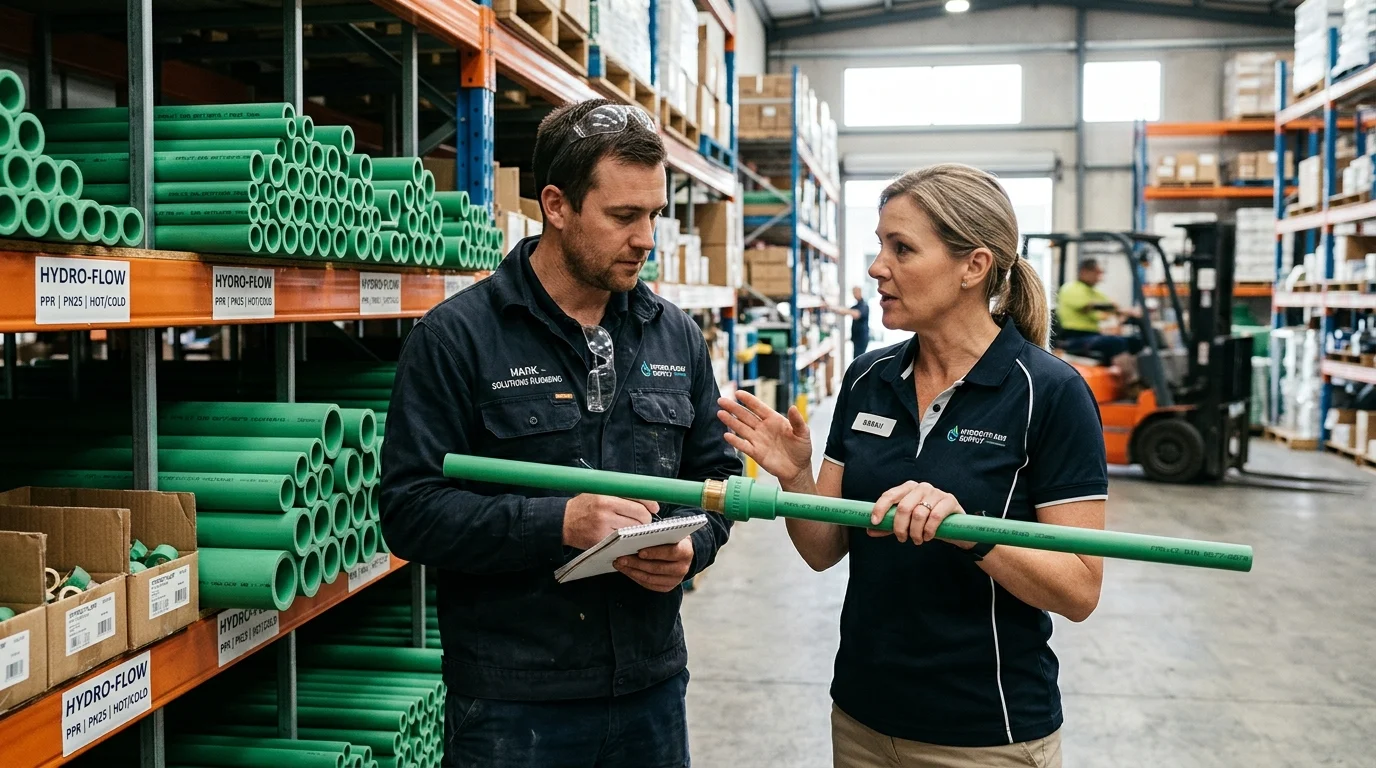
During the initial stages of procurement, B2B buyers frequently raise specific questions regarding the scalability and reliability of PPR systems. Addressing these queries proactively is essential for internal stakeholder alignment and ensuring that the selected product meets the strategic goals of the distribution channel.
Procurement teams are particularly focused on risk mitigation. Questions often revolve around the validity of manufacturer warranties, the traceability of raw materials, and the exact lifespan of the pipes under fluctuating pressure and temperature conditions. Clear, data-driven answers to these questions are necessary to justify the capital expenditure of large-volume imports.
Ultimately, the goal is to ensure that the imported PPR pipes will perform flawlessly in the target market, passing all local inspections and satisfying the end-user contractors. By focusing on verifiable technical data and proven supply chain mechanics, wholesale buyers can confidently integrate PPR into their core product offerings.
Top benefits for large-volume imports
Large-volume imports of PPR offer massive economies of scale, significantly lowering the per-unit cost. The standardization of PPR SKUs allows distributors to streamline inventory management, while the material’s extended shelf life (when stored correctly away from UV light) minimizes the risk of inventory degradation over time.
How to verify service life and certification claims
To verify the touted 50-year service life, buyers should request extrapolated regression curves based on ISO 9080 testing, which models the pipe’s long-term hydrostatic strength. Certification claims must be validated by directly contacting the issuing bodies (such as NSF or WRAS) and cross-referencing the manufacturer’s audit numbers on official global databases.
Final buying priorities before placing orders
Before executing a purchase order, procurement officers must prioritize locking in raw material prices, finalizing precise packaging and labeling requirements, and securing pre-shipment inspection (PSI) agreements. Confirming that all dimensional tolerances and pressure ratings match the approved master sample ensures a frictionless import process.
Related reading: PPR heat resistance
Key Takeaways
- Wholesale sourcing and supply-chain implications for PPR pipe benefits
- Specifications, compliance, and commercial terms buyers should validate
- Actionable recommendations for distributors and procurement teams


