
How Do Plastic Faucets Help Reduce Plumbing Maintenance Costs?
Plastic faucets have emerged as a cost-effective solution for reducing plumbing maintenance expenses in residential and commercial applications. These fixtures offer significant advantages over traditional metal alternatives, including resistance to corrosion, ease of installation, and minimal repair requirements. This article examines how plastic faucets contribute to lower long-term plumbing costs and provides guidance on selecting the right products for specific applications. For comprehensive industry standards on plumbing components, reference the
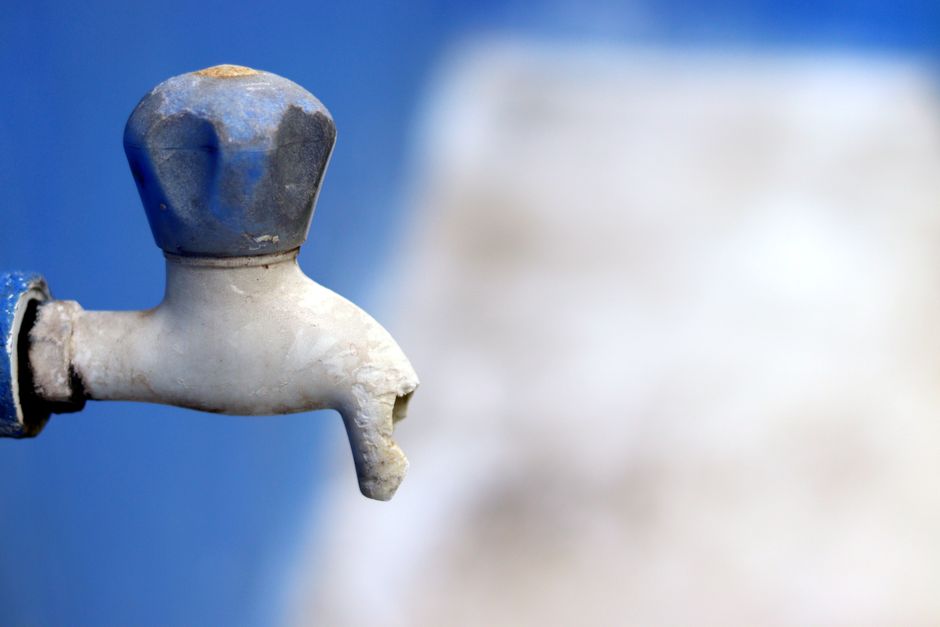
Understanding Plastic Faucet Construction and Materials
Plastic faucets are manufactured from engineered polymers that provide excellent durability under normal operating conditions. Common materials include acrylonitrile butadiene styrene (ABS), polyvinyl chloride (PVC), and polypropylene (PP), each offering specific performance characteristics. These materials undergo rigorous testing to meet industry standards for pressure resistance and temperature tolerance. The construction typically involves injection molding processes that ensure consistent quality across production batches. Manufacturers often provide detailed specifications regarding maximum operating pressures and recommended temperature ranges for each product line.
PP Compression Pipe Fittings work well with plastic faucet installations, providing leak-proof connections in various plumbing configurations. These fittings accommodate thermal expansion and contraction without cracking or failing, making them ideal for both hot and cold water applications. The compatibility between plastic faucets and compression fittings simplifies repair and replacement procedures. Property owners can easily find matching components from suppliers specializing in plastic plumbing solutions.
Corrosion Resistance and Longevity Benefits
Metal faucets frequently suffer from galvanic corrosion when exposed to mineral-rich water or dissimilar metals in the plumbing system. Plastic faucets eliminate this problem entirely because polymers do not conduct electricity or react with water chemistry. This inherent corrosion resistance translates directly to extended service life and fewer replacements over time. In regions with hard water, metal fixtures may require replacement within 5-10 years, while plastic alternatives often last 15-20 years with proper installation.
PVC Pipe Fittings complement plastic faucet installations by providing complete non-corrosive plumbing systems from inlet to outlet. The uniform material composition ensures consistent performance throughout the entire water distribution network. Building managers appreciate the predictability of plastic component lifecycles, which simplifies maintenance scheduling and budget planning. Regular inspections typically reveal plastic faucets maintaining structural integrity far beyond their expected service life.
Installation Cost Savings with Plastic Faucets
Plastic faucets weigh significantly less than brass or stainless steel alternatives, reducing shipping costs and handling requirements. The lightweight nature also simplifies manual installation, often requiring only one person rather than two for heavier metal fixtures. Threaded plastic connections can be made without specialized tools, further reducing labor costs for both new installations and replacements. Many plastic faucet products feature quick-connect designs that eliminate the need for torch work or pipe dope application.
Contractors report that plastic faucet installations typically require 30-50% less time compared to traditional metal fixtures. The reduced complexity means fewer potential errors during installation, which translates to fewer call-backs and warranty claims. Homeowners performing DIY installations benefit from the forgiving nature of plastic threads, which can be disassembled and reassembled without damaging components. This ease of installation represents substantial savings across large-scale projects involving multiple fixtures. For best practices in installation procedures, consult

Maintenance Requirements and Repair Simplicity
Plastic faucets generally require less ongoing maintenance than metal alternatives due to their resistance to scale buildup and mineral deposits. The smooth interior surfaces of quality plastic components resist biofilm formation, maintaining water quality over extended periods. When repairs become necessary, individual components like washers, O-rings, and handles are widely available from hardware stores and plumbing suppliers. The standardized designs of modern plastic faucets mean repair parts often interchange across different manufacturers.
HDPE Pipe Fittings provide excellent compatibility with plastic faucet systems, creating reliable connections that rarely develop leaks when properly assembled. The flexibility of HDPE material absorbs pressure surges without cracking, reducing emergency repair situations. Maintenance technicians appreciate the straightforward repair procedures associated with plastic components. Simple tools like adjustable wrenches and screwdrivers suffice for most plastic faucet repairs, eliminating the need for specialized equipment.
Chemical Resistance for Specialized Applications
Certain industrial and commercial applications require plumbing components that resist specific chemicals found in water supplies or process fluids. Plastic faucets demonstrate excellent resistance to chlorine, chloramines, and other water treatment chemicals that accelerate corrosion in metal fixtures. This resistance proves particularly valuable in laboratory settings, food processing facilities, and healthcare environments where water quality is critical. Specialized polymer formulations can withstand exposure to acids, alkalis, and organic solvents encountered in industrial processes.
PPR Pipe Fittings offer excellent chemical resistance combined with high-temperature tolerance, making them suitable for demanding applications. These fittings maintain structural integrity when exposed to cleaning solutions and sanitizing agents used in commercial kitchens and healthcare facilities. The chemical inertness of PPR material ensures no unwanted leaching into water supplies, protecting public health in sensitive environments. Facilities managers increasingly specify plastic components to avoid the regulatory complications associated with corroded metal plumbing.
Cost Comparison: Plastic Versus Metal Faucets
Initial purchase prices for plastic faucets typically range from 30-60% lower than comparable brass or stainless steel models. This cost differential becomes more pronounced in large-scale projects where dozens or hundreds of fixtures are required. However, the true savings potential emerges when considering total lifecycle costs including installation, maintenance, and replacement expenses. Industry analyses suggest that plastic faucets can reduce plumbing maintenance costs by 40-70% over a 20-year period compared to metal alternatives.
| Cost Category | Plastic Faucets | Metal Faucets |
|---|---|---|
| Initial Purchase | $15-40 per unit | $50-150 per unit |
| Installation Labor | $25-50 per unit | $50-100 per unit |
| Annual Maintenance | $2-5 per year | $10-25 per year |
| Replacement Frequency | 15-20 years | 5-10 years |
| Total 10-Year Cost | $85-135 per unit | $200-450 per unit |
Selecting the Right Plastic Faucet for Your Application
Application requirements should guide plastic faucet selection to ensure optimal performance and cost efficiency. Residential kitchen and bathroom applications typically benefit from standard PVC-based faucets offering adequate pressure ratings and temperature tolerance. Commercial kitchens may require higher-grade materials like CPVC Pipe Fittings to withstand frequent temperature cycling and cleaning chemical exposure. Industrial applications demand careful evaluation of chemical compatibility and pressure specifications.
PPR Economical Fittings provide cost-effective solutions for standard residential and light commercial installations. These budget-friendly options maintain reliable performance while minimizing upfront material costs. For higher-demand applications requiring enhanced durability, PPR Standard Fittings offer improved specifications at moderate price points. Consulting with plumbing professionals helps ensure appropriate product selection based on specific operating conditions and performance requirements.
Environmental and Sustainability Considerations
Plastic faucets contribute to sustainability goals through extended service life and reduced replacement frequency. Fewer replacements mean less material consumption and lower transportation-related carbon emissions over time. Many plastic faucet manufacturers now incorporate recycled materials into their products without compromising performance standards. The energy efficiency of plastic faucet manufacturing processes compares favorably with metal production, which requires energy-intensive smelting and forming operations. Organizations focused on sustainable manufacturing practices often reference NIST Cybersecurity Guidelines for comprehensive operational standards.
End-of-life recycling programs for plastic plumbing components continue expanding, offering responsible disposal options for replaced fixtures. The durability of plastic faucets means fewer units enter waste streams, supporting circular economy objectives in the plumbing industry. Building certification programs increasingly recognize the lifecycle benefits of plastic plumbing components in sustainable construction projects. These environmental advantages complement the economic benefits already documented in this article.
Frequently Asked Questions
How long do plastic faucets typically last compared to metal faucets?
Plastic faucets generally last 15-20 years under normal operating conditions, compared to 5-10 years for many metal alternatives. The extended service life results from inherent corrosion resistance and material durability. Proper installation and adherence to manufacturer specifications can further extend plastic faucet service life.
Are plastic faucets safe for drinking water applications?
Quality plastic faucets manufactured from approved materials meet drinking water safety standards in most jurisdictions. Products should carry relevant certifications such as NSF/ANSI 61 for drinking water system components. Always verify local regulations and product certifications before selecting plumbing fixtures for potable water applications.
Can plastic faucets handle high water pressure?
Most plastic faucets are rated for standard residential water pressures between 40-80 PSI. High-pressure applications may require specially rated products or pressure-reducing valves. Always check manufacturer specifications regarding maximum working pressure before installation.
Do plastic faucets require special tools for installation?
Plastic faucets typically install using common plumbing tools including adjustable wrenches, pipe cutters, and thread seal tape. The lightweight construction often allows single-person installation without specialized equipment. Quick-connect fittings may require specific insertion tools provided by manufacturers.
What maintenance do plastic faucets require?
Plastic faucets require minimal maintenance beyond occasional cleaning with mild soap and water. Periodic inspection of connections and handles helps identify potential issues before failures occur. Replacement of worn washers or O-rings addresses most performance problems without requiring complete fixture replacement. Developers working on related digital resources should consult the


