
Comparison of Structural Design and Working Principles
In industrial piping systems, ball valves and gate valves are two of the most commonly used flow control valves. A ball valve uses a rotating ball with a 90-degree turn to achieve fast opening and closing, which is why it is also known as a quarter-turn valve. It offers advantages such as easy operation, excellent sealing performance, and low maintenance costs. In contrast, a gate valve controls fluid flow through the vertical movement of a gate disc, making it more suitable for fully open or fully closed applications in large-scale flow systems.
From a structural perspective, ball valves are more compact and require less installation space, making them ideal for modern automated industrial systems. Gate valves feature a straight-through flow path that minimizes pressure loss when fully open, making them widely used in oil pipelines, chemical processing plants, water treatment facilities, and long-distance transportation systems.
Performance Differences Between Ball Valves and Gate Valves
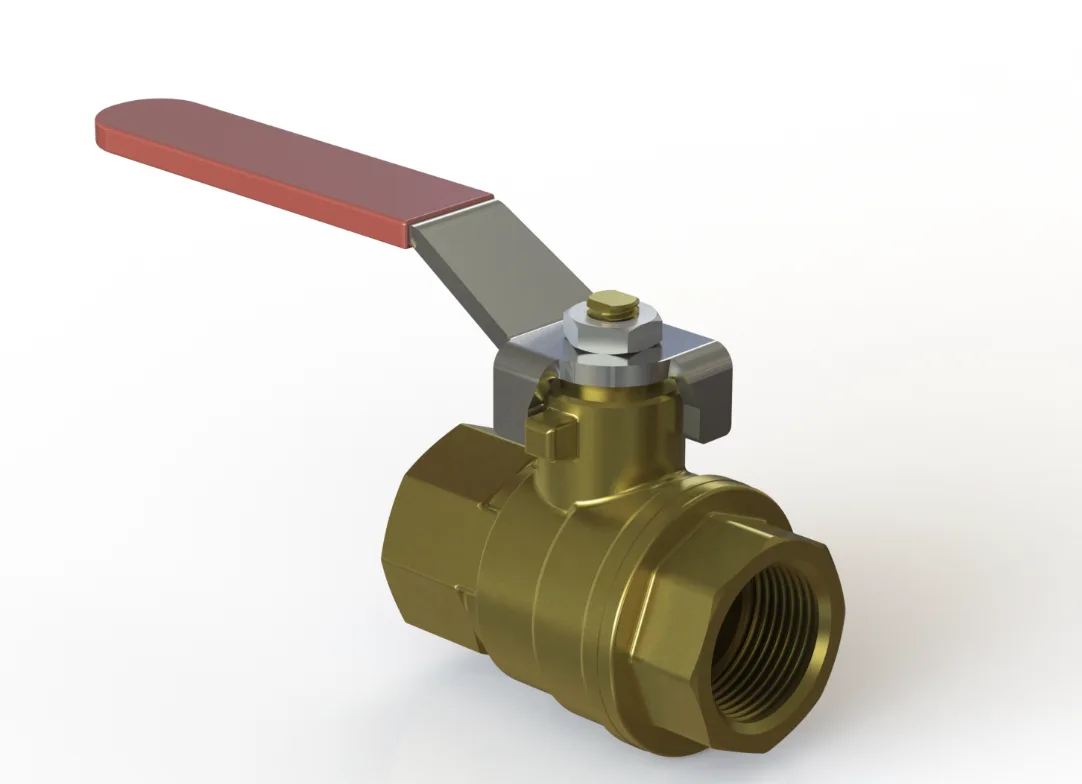
What is a ball valve?
A ball valve is a quarter-turn gate valve that controls the flow of liquids or gases through a hollow rotating ball with a central orifice. When the
central orifice is aligned with the pipe, the valve remains open; after rotating 90 degrees, the fluid flow is completely blocked.
Structure and Function of Ball Valves
Ball valves are widely recognized for their simple structure, quick operation, reliable sealing performance, and low flow resistance, making them
one of the most widely used valves in industrial, commercial, and residential piping systems. Their main function is to provide rapid and efficient
flow control in applications such as water treatment, oil and gas pipelines, chemical industries, HVAC systems, and automated fluid control
systems. Key features of ball valves include compact structure, durability, strong sealing performance, and compatibility with manual, pneumatic, or
electric actuators.
Advantages of Using Ball Valves
The main advantages of ball valves are quick operation, low pressure drop, low maintenance requirements, long service life, and high reliability
under high pressure conditions. However, ball valves also have some drawbacks, including limited accuracy in throttling applications, potential seat
wear during prolonged partial opening, and potential damage in systems containing solid particles or highly abrasive media.
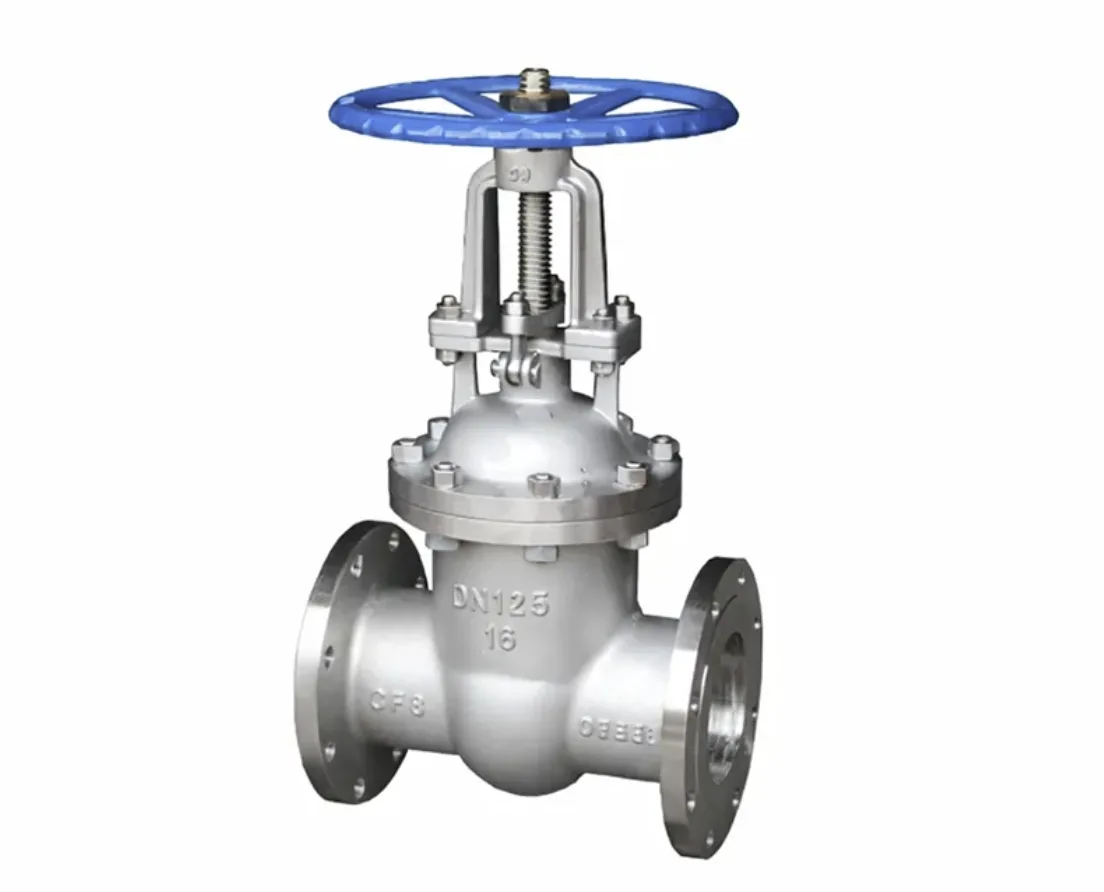
What is a gate valve?
A gate valve is a linear motion isolating valve designed to completely start or stop the flow of liquids or gases in a pipeline system by raising or
lowering a gate within the valve body. Unlike flow control valves, gate valves are primarily used for fully open or fully closed operation, allowing
fluid to pass through with minimal resistance when fully open. They are widely used in water supply systems, oil and gas pipelines, power plants,
chemical facilities, and industrial fluid transport systems where low pressure drop and unobstructed flow are required.
Gate Valve Structure and Function
The main characteristics of gate valves include simple internal structure, bidirectional sealing, excellent shut-off
performance, and suitability for high-pressure and high-temperature environments. Their primary function is to isolate certain sections of a pipeline
for maintenance, safety inspections, or operational control.
Advantages of Using Gate Valves
The main advantages of gate valves include low flow resistance, reliable sealing performance, suitability for
large-diameter pipelines, and a long service life under stable operating conditions. However, gate valves also have some disadvantages, such as
slower opening and closing speeds, larger installation space requirements, poorer throttling capacity, and potential wear on the sealing surfaces if
operated partially for extended periods.
How to Choose the Right Industrial Valve for Different Applications
When selecting industrial valves, factors such as fluid type, operating pressure, temperature range, and maintenance requirements should all be considered. If a system requires rapid shut-off, leak prevention, and automation compatibility, ball valves are usually the preferred option. Industries such as chemical processing, natural gas, pharmaceuticals, and food manufacturing commonly rely on ball valves for reliable fluid control.
Meanwhile, gate valves are more suitable for water treatment systems, power plants, oil transportation networks, and municipal engineering projects where low pressure loss is critical. These valves provide excellent stability and economic value in systems that remain fully open for long periods.
In recent years, PVC ball valves and plastic gate valves have gained popularity in the industrial market. Compared with traditional metal valves, plastic valves provide corrosion resistance, lighter weight, easier installation, and lower costs, making them ideal for irrigation systems, chemical applications, and water treatment industries.
Advantages of PVC Plastic Valves in Modern Industry
As industrial systems increasingly demand corrosion-resistant solutions, PVC valves, CPVC valves, and PPR piping systems are now widely used in modern engineering projects. Plastic ball valves not only offer excellent chemical resistance but also help reduce long-term maintenance costs.
Excellent corrosion and chemical resistance
Lightweight structure for easier transportation and installation
Lower maintenance and replacement costs
Long service life in harsh chemical environments
Stable sealing performance with reduced leakage risks
Cost-effective solution for industrial fluid systems
Compatible with automated piping and control system
In acid and alkali transportation systems, water treatment equipment, and agricultural irrigation projects, plastic ball valves often provide longer service life than traditional metal valves. Modern injection molding technology and advanced sealing structures have further improved the pressure resistance and sealing stability of plastic industrial valves.
About Us
As a professional supplier of plastic valves and piping systems, PNTEK specializes in providing high-quality industrial plastic valves, PVC pipe fittings, PPR piping systems, and fluid control solutions for global customers. The company’s products are widely used in agricultural irrigation, water treatment, chemical processing, construction engineering, and industrial fluid transportation industries.
PNTEK operates with advanced manufacturing equipment and mature injection molding technology, focusing on delivering industrial valve products with excellent corrosion resistance, reliable sealing performance, and long service life. The company strictly follows international quality standards and continuously improves product structures and manufacturing processes to provide stable OEM and ODM services worldwide.
With extensive industry experience, a strong supply chain system, and a professional technical team, PNTEK can provide customized fluid control solutions based on different operational requirements, helping customers improve system efficiency and reduce long-term maintenance costs.
FAQ
What is the main difference between a ball valve and a gate valve?
Ball valves use a rotating ball for quick shut-off, while gate valves use a sliding gate for full-flow applications.
Which valve is better for high-pressure systems?
Ball valves are generally better for high-pressure and high-sealing applications due to their tight shut-off performance.
Are gate valves suitable for frequent operation?
No. Gate valves are not recommended for frequent opening and closing because this may cause internal wear.
Why are PVC ball valves becoming more popular?
PVC ball valves offer corrosion resistance, lightweight design, low maintenance, and cost-effective performance.
Which industries commonly use plastic industrial valves?
Plastic valves are widely used in water treatment, agricultural irrigation, chemical processing, and construction piping systems.


