
Why UPVC Valves Are Widely Used in Industrial Systems
UPVC valves (Unplasticized Polyvinyl Chloride valves) are a category of industrial valves designed for fluid control in chemically aggressive and corrosion-prone environments. Compared with traditional metal-based industrial valves, UPVC valves provide a balance between durability, cost-efficiency, and chemical resistance. Industries such as water treatment, chemical processing, and wastewater management increasingly adopt plastic valves due to their long service life and low maintenance requirements.
According to data from the U.S. Environmental Protection Agency (EPA), corrosion-related failures account for a significant portion of infrastructure maintenance costs in fluid systems. This trend has accelerated the adoption of corrosion resistant valves such as UPVC valves, particularly in non-metallic piping systems.
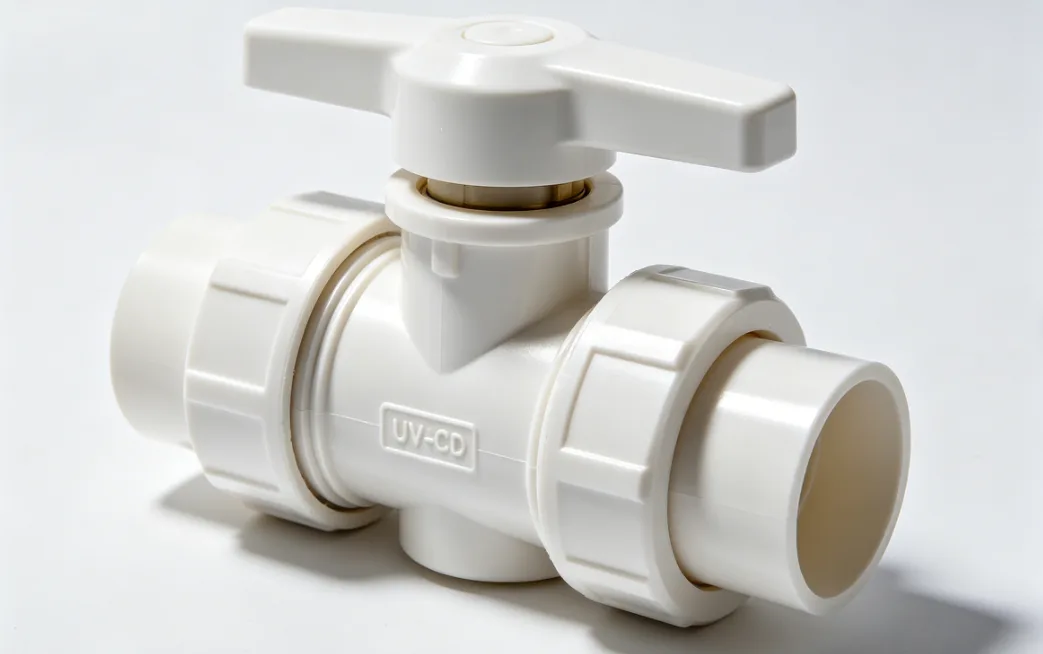
1. Excellent Corrosion Resistance in Harsh Environments
UPVC valves are inherently resistant to a wide range of chemicals, including acids, alkalis, and salts. This makes them suitable for industries where metal valves would degrade rapidly due to electrochemical reactions.
Unlike steel or iron valves, UPVC valves do not rust or scale. This property is particularly critical in water treatment facilities where chemical dosing systems operate continuously.
Key takeaway: UPVC valves extend system lifespan by eliminating corrosion-related degradation.
2. Lightweight Structure Reduces Installation Costs
UPVC valves are significantly lighter than metal industrial valves. This reduces transportation costs and simplifies installation procedures.
A lighter valve body also minimizes structural load on piping systems, which is beneficial in elevated or complex installations. Maintenance personnel can handle UPVC valves without heavy lifting equipment, reducing labor costs.
Example application: UPVC valve for water treatment systems often reduces installation time by up to 30% compared to metal alternatives.
3. Cost-Effective Alternative to Metal Valves
UPVC valves provide a lower upfront cost compared to stainless steel or alloy valves. Additionally, their resistance to corrosion reduces the need for frequent replacement.
Cost Comparison Table: UPVC vs Metal Valves
| Parameter | UPVC Valves | Metal Valves |
|---|---|---|
|
Initial Cost |
Low |
High |
|
Maintenance Frequency |
Low |
Moderate to High |
|
Corrosion Risk |
Minimal |
High |
|
Lifespan (typical) |
10–25 years |
5–15 years |
Data from engineering material studies published by NACE (National Association of Corrosion Engineers) supports that corrosion-resistant materials can reduce lifecycle costs by up to 25%.
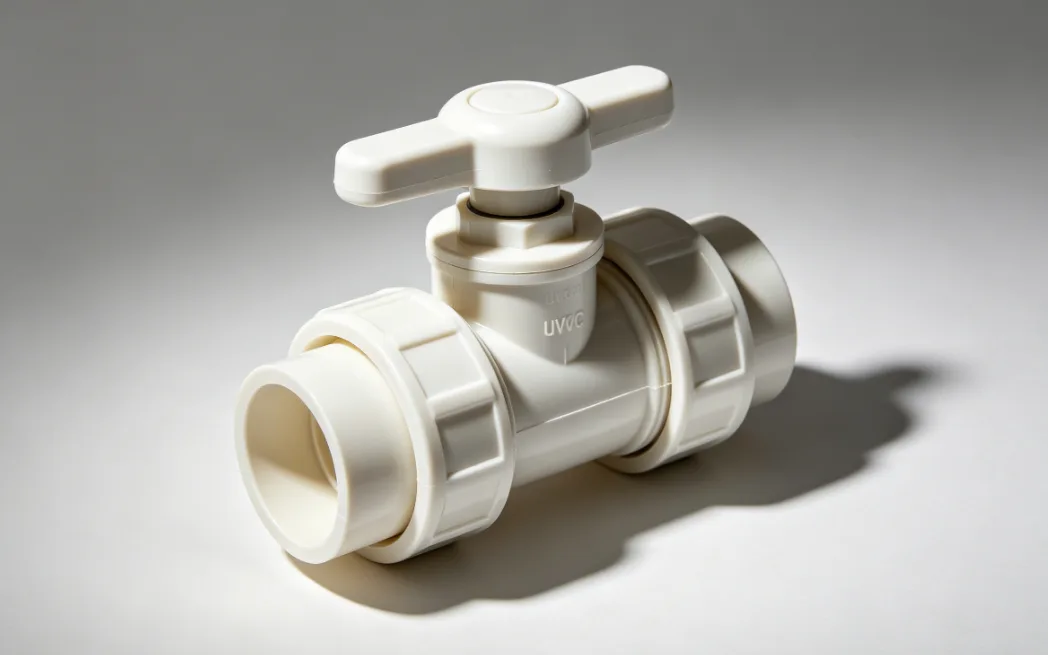
4. High Chemical Resistance for Industrial Fluids
UPVC valves can handle a wide range of industrial fluids, including:
Sulfuric acid (diluted)
-
Sodium hydroxide
-
Chlorinated water
-
Industrial wastewater
This versatility makes UPVC valves suitable for chemical dosing, filtration systems, and effluent treatment processes.
Important note: Temperature limitations (typically below 60°C) should be considered when selecting UPVC valves for chemical applications.
5. Smooth Internal Surface Improves Flow Efficiency
The internal surface of UPVC valves is smooth and non-porous, reducing friction loss in fluid flow. This characteristic enhances hydraulic efficiency compared to metal valves that may develop scaling or deposits over time.
Flow Efficiency Comparison
| Feature | UPVC Valves | Traditional Metal Valves |
|---|---|---|
|
Surface Roughness |
Low |
Moderate to High |
|
Scaling Tendency |
Minimal |
High |
|
Flow Efficiency Stability |
High |
Decreases over time |
Improved flow efficiency contributes to energy savings in pump-driven systems.
6. Low Maintenance Requirements
UPVC valves require minimal maintenance due to their corrosion resistance and simple design. There is no need for anti-rust coatings, cathodic protection, or frequent inspections for corrosion damage.
In industrial operations, reduced maintenance translates directly into lower downtime and operational costs.
Typical maintenance tasks include:
Periodic sealing inspection
-
Cleaning of valve seats
-
Routine operation checks
7. Strong Durability and Long Service Life
UPVC valves are designed to withstand long-term exposure to aggressive environments without structural degradation. Their resistance to chemical attack and UV stabilization (in certain grades) contributes to extended service life.
Studies from the Plastics Industry Association indicate that properly installed UPVC piping systems can last over 20 years under normal operating conditions.
8. Versatility Across Industrial Applications
UPVC valves are widely used in various sectors:
Water treatment plants
-
Chemical processing facilities
-
Irrigation systems
-
Wastewater management
-
Swimming pool systems
Their compatibility with plastic piping systems makes them a standard choice in modern fluid engineering.
Common Types of UPVC Valves
| Valve Type | Typical Use Case |
|---|---|
|
Ball Valve |
On/off flow control |
|
Butterfly Valve |
Large diameter flow regulation |
|
Check Valve |
Prevent backflow |
|
Diaphragm Valve |
Precise flow control in chemical systems |
9. Easy Installation and Leak-Proof Connections
UPVC valves support multiple connection methods, including:
Socket welding
-
Threaded connections
-
Flanged joints
These connection types allow flexibility in system design and ensure leak-proof performance when installed correctly.
Compared with welded metal valves, UPVC installation does not require specialized welding equipment, reducing technical barriers.
10. Environmentally Friendly Material Choice
UPVC is a recyclable material and does not release harmful substances during normal operation. Its long lifespan also reduces material waste compared to frequently replaced metal valves.
According to lifecycle assessments from environmental engineering studies, plastic valves can reduce overall environmental impact when used in appropriate conditions due to lower energy consumption in production and maintenance.
Internal Linking Strategy for Industrial Valve Solutions
For readers evaluating valve solutions, additional resources can improve system design decisions:
Learn more about UPVC ball valve advantages in chemical pipelines
-
Explore corrosion resistant valves for industrial fluid systems
-
Review specifications of UPVC valve for water treatment applications
-
Compare plastic valves vs metal valves in industrial environments
-
Understand sizing guidelines for industrial valves in pipeline systems
-
Check compatibility charts for chemical-resistant plastic valves
These internal resources support better engineering selection and system optimization.
Conclusion: Key Advantages of UPVC Valves in Industrial Applications
UPVC valves offer a combination of corrosion resistance, cost efficiency, and operational reliability. These characteristics make them a preferred choice in industries where fluid purity, chemical resistance, and low maintenance are critical.
Key conclusions include:
1.UPVC valves significantly reduce corrosion-related failures
2.Lightweight design lowers installation and operational costs
3.Smooth surfaces improve flow efficiency and energy savings
4.Broad chemical compatibility supports diverse industrial use cases
5.Long service life enhances return on investment
Selecting the appropriate UPVC valve depends on factors such as temperature, pressure, and chemical exposure. Proper specification ensures optimal system performance.
FAQ: UPVC Valves in Industrial Applications
What are UPVC valves used for in industrial systems?
UPVC valves are used to control fluid flow in systems handling water, chemicals, and wastewater. Their corrosion resistance makes them suitable for environments where metal valves would degrade quickly, such as chemical processing and water treatment plants.
What are the limitations of UPVC valves?
UPVC valves are not suitable for high-temperature applications, typically above 60°C. They also have lower pressure tolerance compared to metal valves, which limits their use in high-pressure industrial systems.
How do UPVC ball valve advantages compare to metal ball valves?
UPVC ball valves offer better corrosion resistance and lower cost, while metal ball valves provide higher strength and temperature resistance. The choice depends on environmental conditions and system requirements.
Are UPVC valves suitable for drinking water systems?
UPVC valves are commonly used in potable water systems because they do not corrode or contaminate water. Many UPVC materials comply with international drinking water safety standards.
How to select the right UPVC valve for water treatment?
Selection should consider fluid type, pressure rating, temperature, and connection method. Reviewing chemical compatibility charts and pressure specifications ensures the chosen UPVC valve meets system requirements.


