
CPVC pipe fittings are essential components in modern plumbing and piping systems, especially in applications requiring durability and heat resistance. If you’re wondering what a CPVC pipe fitting is, this guide will help you understand its definition, types, uses, and advantages in both residential and industrial systems.
What Is a CPVC Pipe Fitting?
A CPVC (Chlorinated Polyvinyl Chloride) pipe fitting is a connector used to join CPVC pipes in a piping system. These fittings are designed to handle hot and cold water applications, making them ideal for plumbing, industrial fluid handling, and fire protection systems.
Compared to traditional materials like metal, CPVC fittings offer better corrosion resistance and longer service life, especially in environments where chemical exposure or high temperatures are present.
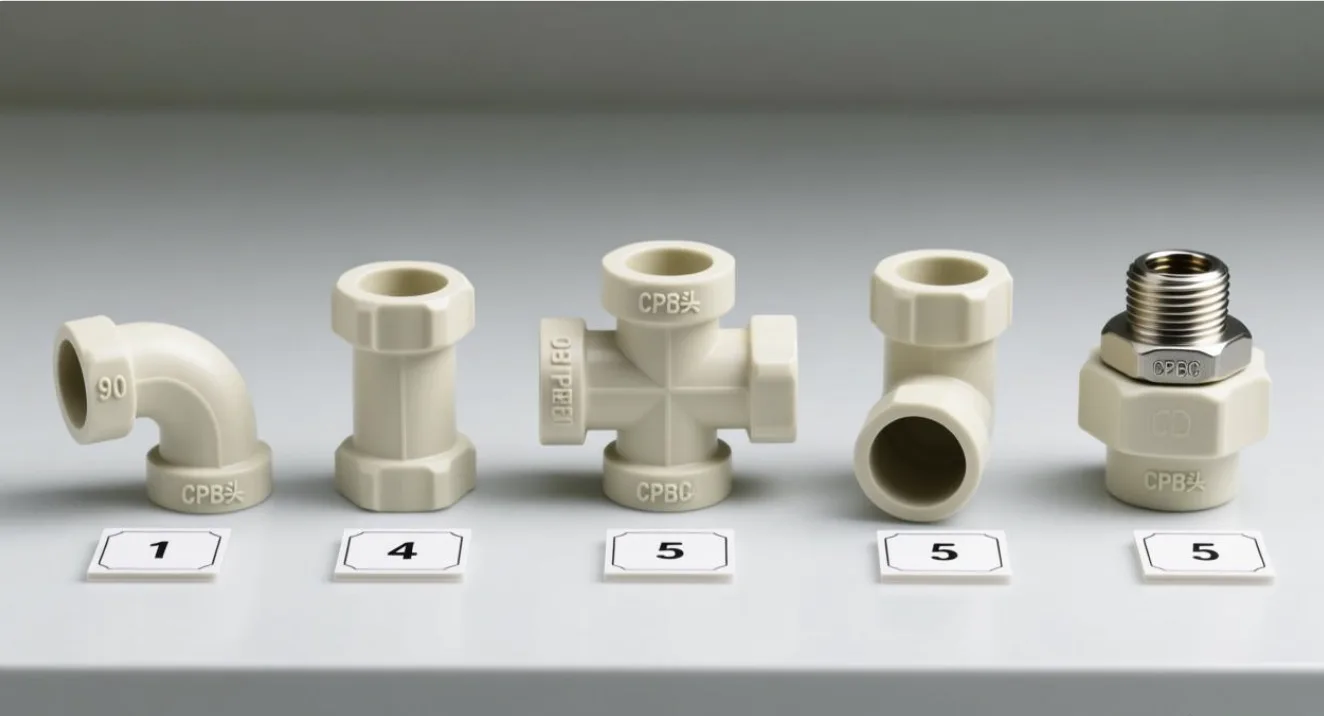
Common Types of CPVC Pipe Fittings
There are several types of CPVC fittings used in different piping configurations:
Elbow Fittings:Used to change the direction of the pipe, typically at 45° or 90° angles
Tee Fittings:Allow the pipeline to branch into two directions
Couplings:Connect two pipes of the same diameter
Reducers:Join pipes of different sizes
Adapters:Connect CPVC pipes to other materials or threaded systems
Each type serves a specific function in ensuring smooth and efficient fluid flow within the system.
How CPVC Pipe Fittings Work
CPVC pipe fittings are typically connected using solvent cement welding, which creates a strong, leak-proof bond between the pipe and the fitting. This method ensures durability and long-term reliability under pressure and temperature variations.
The material itself is designed to withstand higher temperatures than standard PVC, making CPVC fittings suitable for hot water systems and industrial applications.
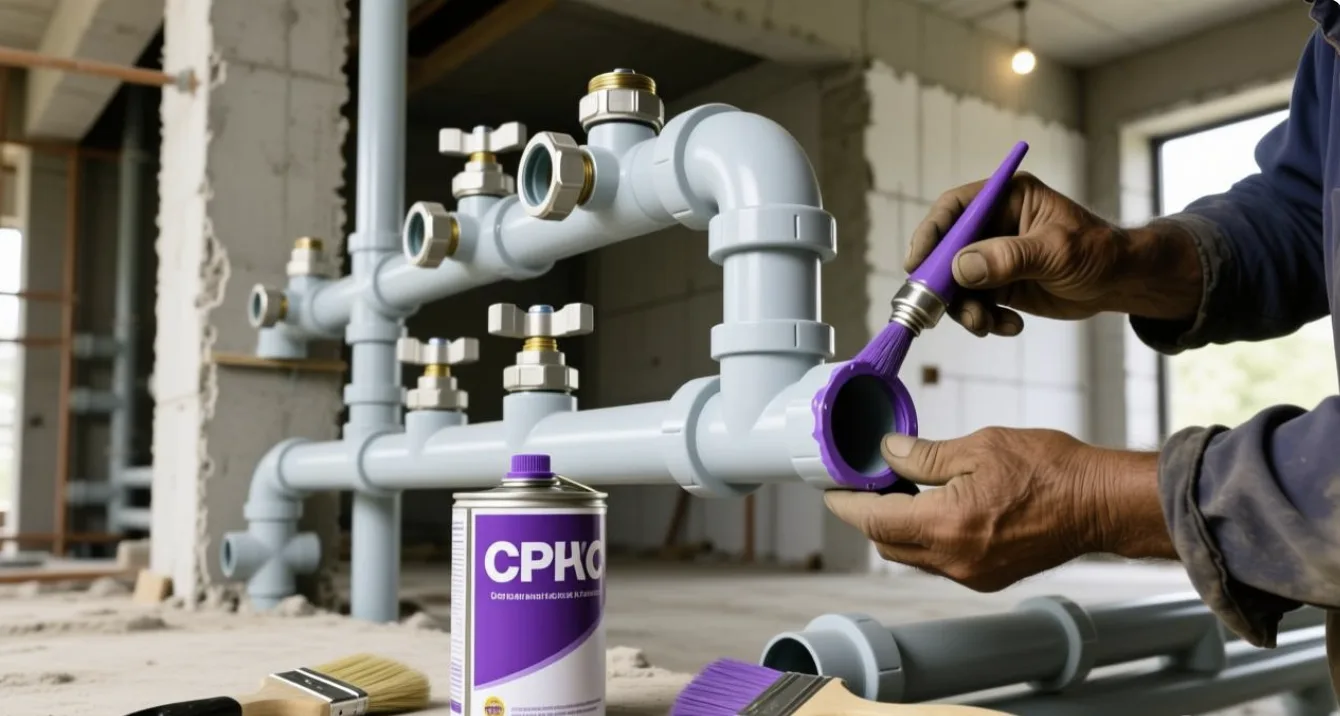
Applications of CPVC Pipe Fittings
CPVC pipe fittings are widely used across multiple industries:
- Residential and commercial plumbing systems
- Hot and cold water distribution
- Industrial chemical handling systems
- Fire sprinkler and fire protection systems
Their versatility and reliability make them a preferred choice in modern piping solutions.
Benefits of CPVC Pipe Fittings
Choosing CPVC fittings offers several advantages:
- Excellent heat resistance for hot water systems
- Strong corrosion and chemical resistance
- Lightweight and easy to install
- Long service life with minimal maintenance
These benefits make CPVC fittings a cost-effective and efficient solution for many applications.
FAQ
What is CPVC used for in piping systems?
CPVC is commonly used for hot and cold water supply systems, industrial piping, and fire sprinkler systems due to its heat and corrosion resistance.
What is the difference between CPVC and PVC fittings?
CPVC can handle higher temperatures and is suitable for hot water, while PVC is typically used for cold water applications.
Are CPVC pipe fittings safe for drinking water?
Yes, CPVC fittings are safe for potable water systems and are widely used in residential plumbing.
How are CPVC pipe fittings installed?
They are usually installed using solvent cement, which creates a strong and leak-proof bond.
About Pntek
Pntek is a professional manufacturer of high-quality plastic piping systems, specializing in CPVC, PVC, HDPE Pipe Fitting and related pipe fittings for plumbing, irrigation, and industrial applications. We are committed to delivering reliable, durable, and cost-effective connecting solutions that meet international standards.
With advanced production technology and strict quality control, Pntek provides products trusted by customers worldwide in water supply, construction, and fire protection systems.


