
Properly connecting CPVC fittings is essential for ensuring a leak-free and durable piping system. Whether you’re working on residential plumbing, industrial piping, or fire protection systems, understanding how to connect CPVC fittings correctly can improve system performance and longevity.
What You Need Before Connecting CPVC Fittings
Before starting the installation, gather the necessary tools and materials:
- CPVC pipes and fittings
- CPVC solvent cement
- Pipe cutter or saw
- Deburring tool or sandpaper
- Measuring tape and marker
Having the right tools ensures a smooth and efficient installation process.
Step-by-Step Guide to Connecting CPVC Fittings
Follow these steps to properly connect CPVC pipes and fittings:
1. Measure and Cut the Pipe
Measure the required length and cut the CPVC pipe using a pipe cutter or fine-tooth saw. Ensure the cut is straight and clean.
2. Deburr and Clean the Edges
Remove any burrs or rough edges using sandpaper or a deburring tool. Clean the pipe and fitting surfaces to remove dust and debris.
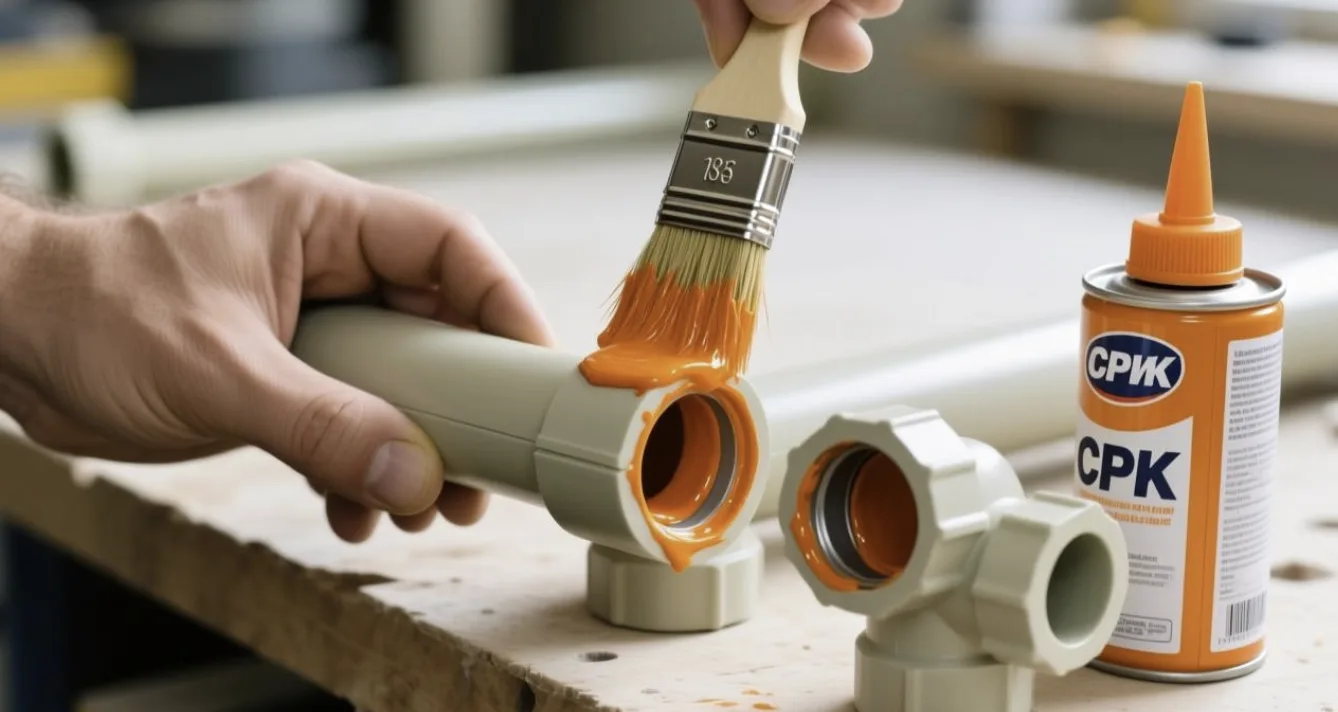
3. Apply CPVC Solvent Cement
Apply an even layer of CPVC solvent cement to both the outside of the pipe and the inside of the fitting. This step is crucial for creating a strong bond.
4. Join the Pipe and Fitting
Insert the pipe into the fitting and twist slightly to ensure even distribution of the cement. Hold the connection for a few seconds to prevent movement.
5. Allow Proper Curing Time
Let the joint cure according to the manufacturer’s instructions before applying pressure or running water through the system.
Common Mistakes to Avoid
When connecting CPVC fittings, avoid these common errors:
- Not cleaning the pipe before applying cement
- Using too much or too little solvent cement
- Failing to hold the joint in place during bonding
- Not allowing sufficient curing time
Avoiding these mistakes helps ensure a strong and leak-free connection.
Tips for a Reliable CPVC Connection
To improve installation quality and system durability:
- Always use CPVC-specific solvent cement
- Work in a well-ventilated area
- Ensure proper alignment before bonding
- Test the system after installation
These best practices help maintain long-term performance.
Applications of CPVC Connections
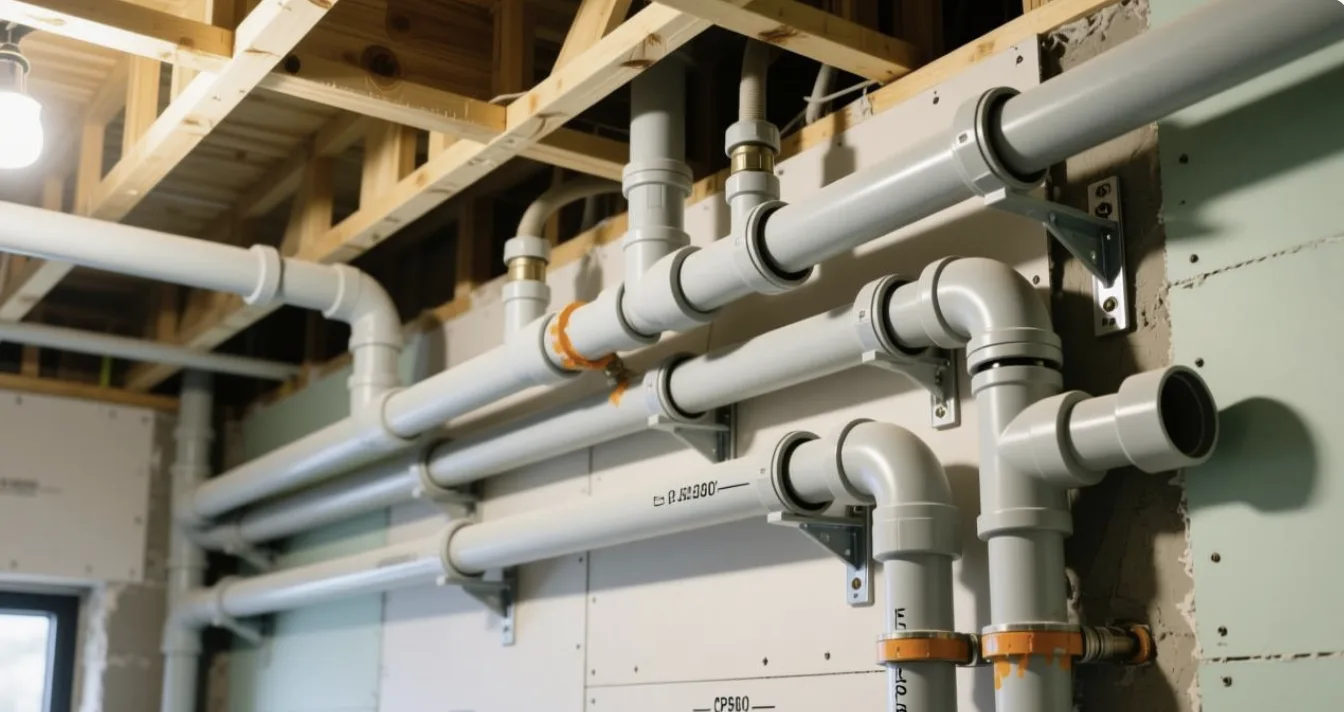
Properly connected CPVC fittings are widely used in:
- Residential plumbing systems
- Hot and cold water distribution
- Industrial piping systems
- Fire sprinkler and fire protection systems
Their ease of installation and durability make them a preferred choice in modern piping.
FAQ
Do you need glue for CPVC fittings?
Yes, CPVC fittings require solvent cement to create a strong and leak-proof bond.
How long does CPVC cement take to cure?
Initial bonding takes seconds, but full curing can take several hours depending on conditions.
Can CPVC fittings be reused?
No, once bonded with solvent cement, CPVC fittings cannot be reused.
How do you prevent leaks in CPVC connections?
Ensure proper cleaning, correct cement application, and sufficient curing time for a secure seal.
About Pntek Connecting Solutions
Pntek is a professional manufacturer of high-quality plastic piping systems, specializing in CPVC, PVC, HDPE Pipe Connector and related pipe fittings for plumbing, irrigation, and fire protection applications. We are committed to providing durable, efficient, and cost-effective solutions that meet international standards.
With advanced manufacturing technology and strict quality control, Pntek delivers reliable piping products trusted by customers worldwide.


