
CPVC (Chlorinated Polyvinyl Chloride) pipes are widely used in plumbing, industrial, and fire protection systems due to their durability and heat resistance. However, like any material, they come with both advantages and limitations. Understanding the advantages and disadvantages of CPVC pipes can help you make informed decisions for your project.
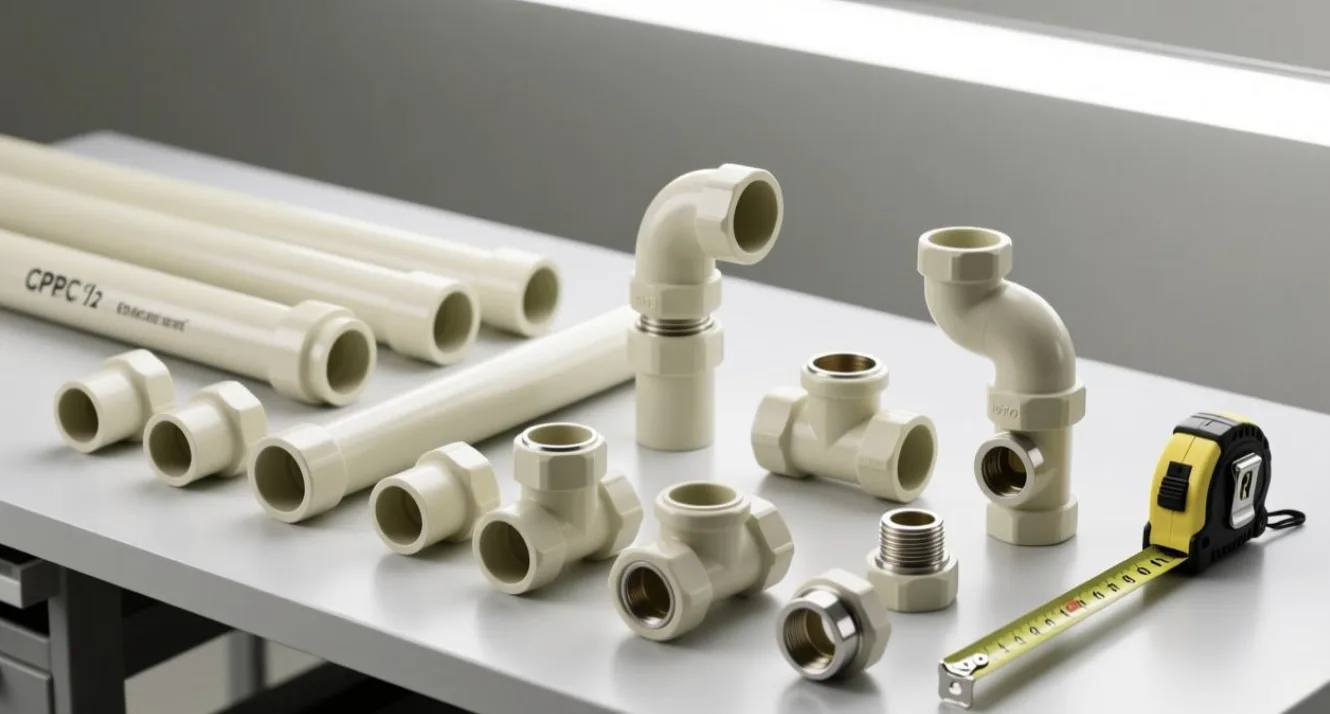
What Is CPVC Pipe?
CPVC pipe is a thermoplastic piping material designed to handle both hot and cold water applications. Compared to traditional metal pipes, CPVC offers better corrosion resistance and longer service life, making it a popular choice in modern piping systems.
It is commonly used in residential plumbing, industrial fluid handling, and fire sprinkler systems.
Advantages of CPVC Pipes
CPVC pipes offer several key benefits that make them a preferred option in many applications:
1. High Temperature Resistance
CPVC can withstand temperatures up to around 90°C, making it suitable for hot water systems.
2. Corrosion and Chemical Resistance
Unlike metal pipes, CPVC does not rust or corrode and performs well in chemically aggressive environments.
3. Long Service Life
CPVC pipes are durable and require minimal maintenance, offering long-term reliability.
4. Lightweight and Easy Installation
They are easy to cut, handle, and install using solvent cement, reducing labor costs.
5. Smooth Inner Surface
The smooth interior reduces friction, improving water flow and system efficiency.
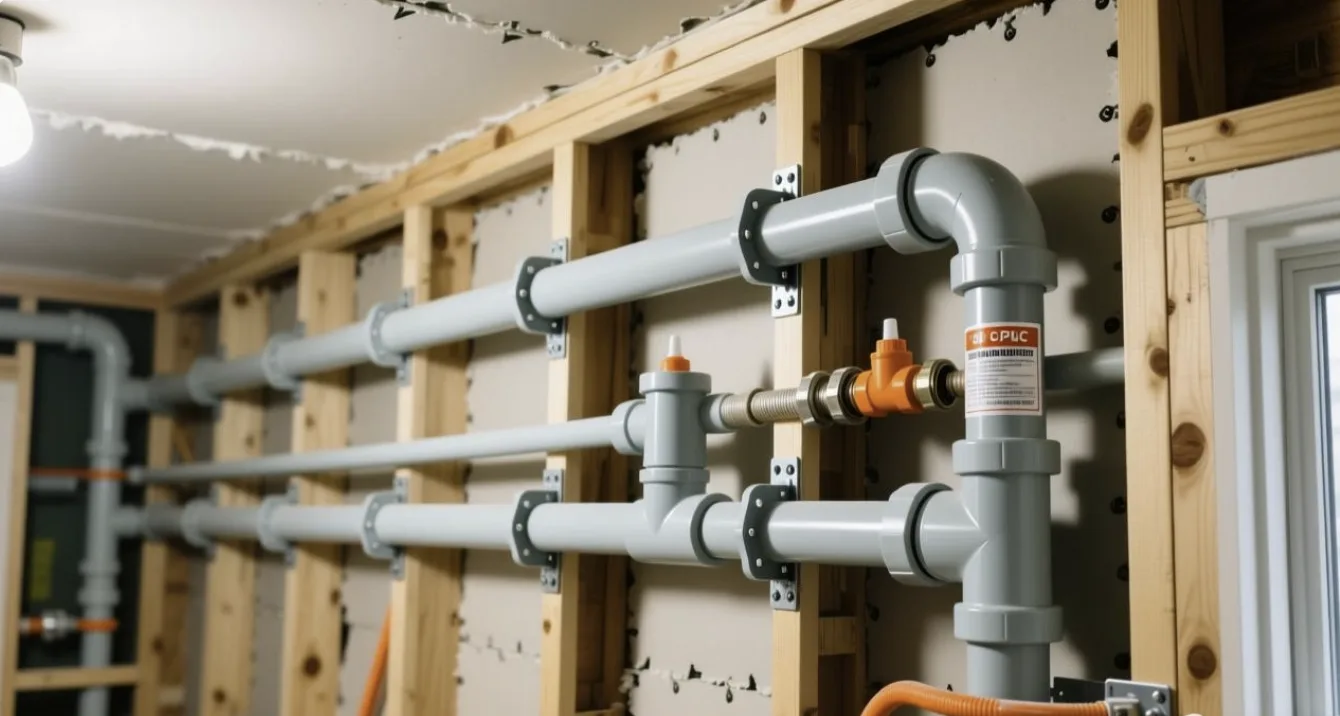
Disadvantages of CPVC Pipes
Despite its advantages, CPVC also has some limitations:
1. Lower Impact Resistance
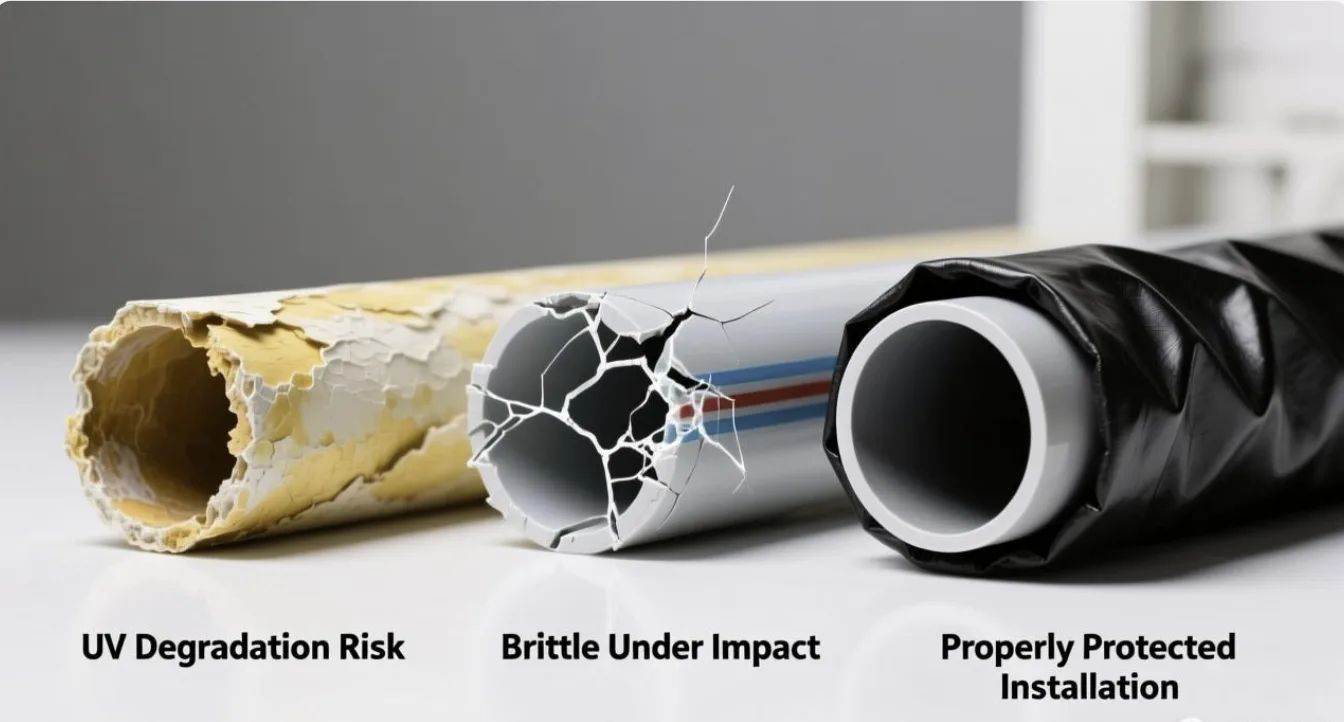
CPVC can be more brittle than metal pipes and may crack under strong impact.
2. Sensitive to UV Exposure
Prolonged exposure to sunlight can degrade the material unless it is properly protected.
3. Temperature Limitations
Although heat-resistant, CPVC still has a maximum temperature limit and may deform under extreme heat.
4. Not Suitable for Certain Applications
It may not be ideal for high-pressure industrial systems or outdoor environments without protection.
Applications of CPVC Pipes
CPVC pipes are widely used in:
- Residential and commercial plumbing systems
- Hot and cold water distribution
- Industrial piping systems
- Fire sprinkler and fire protection systems
Their versatility and performance make them suitable for a wide range of applications.
Is CPVC Pipe the Right Choice?
Choosing CPVC pipes depends on your specific needs. If your project requires heat resistance, corrosion protection, and easy installation, CPVC is an excellent option. However, for applications involving heavy impact, extreme temperatures, or prolonged outdoor exposure, alternative materials may be more suitable.
FAQ
What are the main advantages of CPVC pipes?
CPVC pipes offer high temperature resistance, corrosion resistance, long service life, and easy installation.
What are the disadvantages of CPVC pipes?
They can be brittle, sensitive to UV exposure, and have limitations in extreme conditions.
Is CPVC pipe safe for drinking water?
Yes, CPVC pipes are widely used in potable water systems and are considered safe.
How long do CPVC pipes last?
CPVC pipes can last 40–50 years or more under proper installation and usage conditions.
About Pntek
Pntek is a professional manufacturer of high-quality plastic piping systems, specializing in CPVC, PVC, and related pipe fittings for plumbing, irrigation, and fire protection applications. We are committed to providing durable, efficient, and cost-effective solutions that meet international standards.
With advanced manufacturing technology and strict quality control, Pntek delivers reliable piping products trusted by customers worldwide.
Visit us at: https://www.pntekplastblog.com/


